Tires
|
May 30, 2019

Tires face changing road conditions every day, but weather affects much more than the pavement beneath them. Temperature changes influence how tire rubber responds to handling and normal wear. Manufacturers formulate tire compounds to perform within specific temperature ranges, which explains why one tire may feel responsive in summer while another handles cold conditions more effectively.
Understanding how weather impacts tire rubber compounds can help drivers choose tires that fit their climate and driving habits. Heat, rain, and seasonal temperature swings all affect tire performance. The right tire choice can provide more predictable handling while helping drivers prepare for the conditions they encounter throughout the year.
Tire rubber does not maintain exactly the same characteristics under every weather condition. Higher temperatures generally make rubber more flexible, while low temperatures can make some compounds firmer. Tire manufacturers account for these changes by developing specialized compound formulations for different tire types.
Rubber compounds contain more than just natural or synthetic rubber. Manufacturers combine rubber with reinforcing materials and other ingredients to create the characteristics required for a particular tire. The resulting formulation influences traction and how the tread responds as temperatures rise or fall.
Summer heat can place significant demands on tires, especially after pavement absorbs sunlight for hours. As tire temperatures increase, rubber becomes more flexible and must withstand the forces created during braking and acceleration. Sustained highway driving can add even more heat through repeated flexing of the tire structure.
Manufacturers design summer-oriented compounds to operate effectively in warmer conditions without becoming excessively soft. However, high temperatures can still contribute to tread wear over time, particularly when drivers combine heat with aggressive acceleration or hard cornering. Maintaining the correct tire pressure also matters because underinflated tires can flex excessively and generate additional heat.
Cold weather creates the opposite challenge because many rubber compounds become stiffer as temperatures fall. A harder tread may have greater difficulty conforming to small variations in the road surface, which can affect available grip. This change matters most during braking and cornering on cold pavement.
Winter tire manufacturers use compounds designed to retain flexibility at lower temperatures. That flexibility helps the tread interact more effectively with cold, snowy, or icy surfaces than compounds designed primarily for warm weather. Drivers should consider more than visible snowfall when evaluating seasonal tires because temperature itself changes how tire rubber behaves.
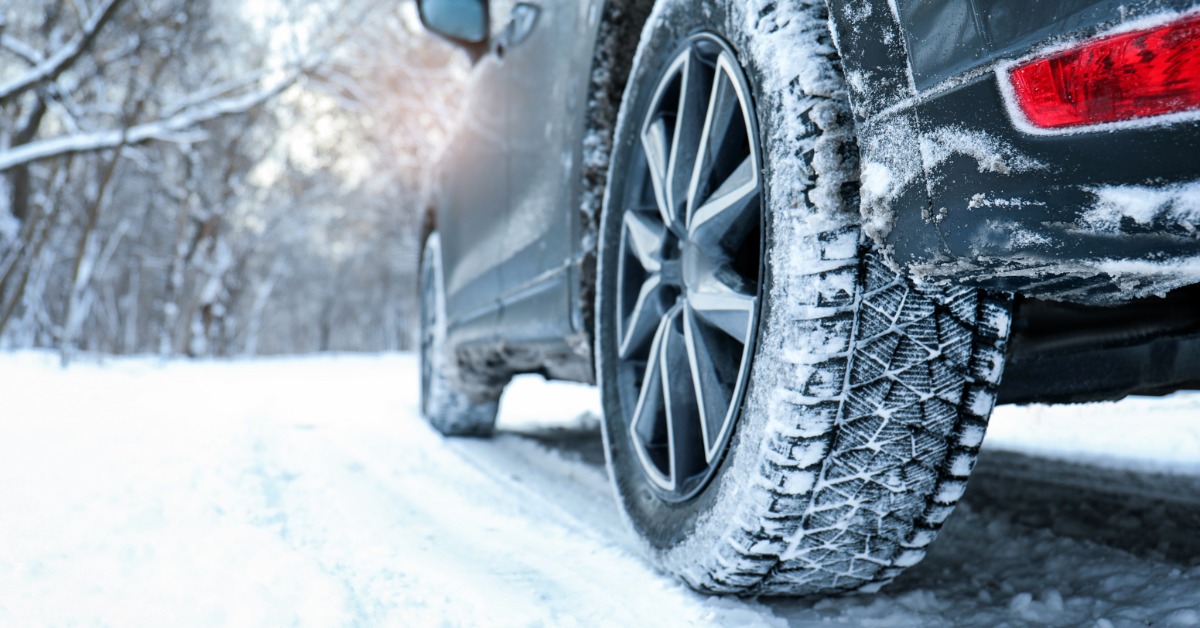
Different tire categories use compound designs that match their intended operating conditions. Summer tires prioritize warm-weather performance, while winter tires use formulations intended to remain flexible during colder conditions. All-season tires balance a wider variety of seasonal demands rather than specializing as heavily at either temperature extreme.
These differences help explain why tire selection should involve more than finding the correct size. Drivers should also consider their local temperatures, typical road conditions, mileage, and vehicle use. Someone who regularly encounters extreme seasonal changes may have different needs from a driver who spends most of the year in a consistently warm climate.
When comparing tires for different weather conditions, drivers should consider several characteristics that can influence everyday performance:
No single compound delivers ideal performance for every driver and climate. Choosing tires around actual driving conditions can provide a better match than selecting a tire based solely on appearance, brand, or price.
Temperature affects the rubber itself, while rain changes the surface that the rubber must grip. Tire tread needs to maintain contact with wet pavement while grooves and channels move water away from the contact area. Compound characteristics and tread design therefore work together when a vehicle travels through rainy conditions.
Drivers should also pay attention to tread depth as tires accumulate mileage. Worn tread has less capacity to manage water, regardless of the tire compound. Regular inspections can help drivers identify wear before heavy rain turns reduced tread depth into a more serious performance concern.
Rubber compounds are not the only part of tire performance affected by changing temperatures. Air pressure inside a tire also changes as ambient temperatures rise and fall. A major seasonal temperature shift can therefore leave a tire at a different pressure than a driver expects.
Drivers should check pressure when tires are cold and follow the vehicle manufacturer’s recommended pressure specifications. Proper inflation supports predictable handling, even tread wear, and efficient tire operation. Drivers should not use the maximum pressure printed on the tire sidewall as a substitute for the vehicle manufacturer’s recommended inflation pressure.
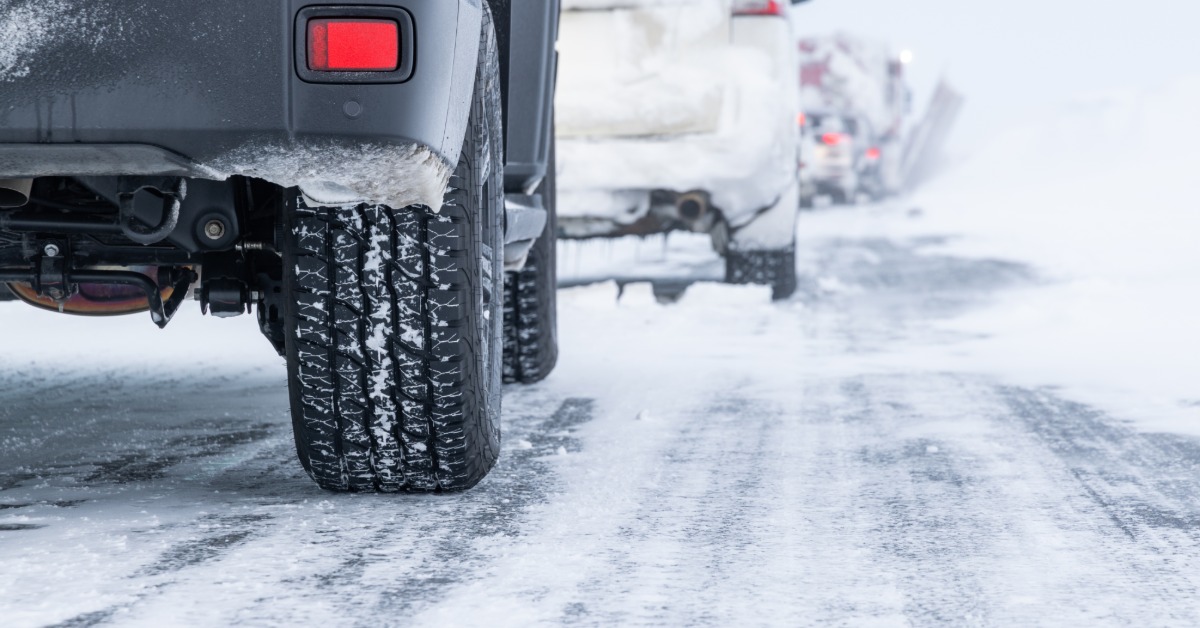
Drivers in McAllen regularly encounter warm conditions that can expose tires to substantial pavement heat. Those conditions make routine pressure checks and tread inspections especially useful, particularly before long highway trips. Drivers visiting a tire shop in McAllen, TX, can also discuss tire choices that fit their vehicle, mileage, and typical driving conditions.
RNR Tire Express offers brand-name tires and tire services for drivers who need help choosing a suitable option. Customers can consider available payment options when purchasing tires rather than focusing only on the initial purchase price. Selecting tires that match the vehicle and local driving environment can support dependable performance through everyday commutes and longer Texas drives.
The best tire category depends on where and how a vehicle is used. Drivers should consider typical seasonal temperatures, rainfall, road surfaces, annual mileage, and driving style before deciding. Vehicle manufacturer requirements for tire size and other specifications should also factor into that decision.
Drivers should also avoid assuming that the most specialized tire automatically makes the best choice. A performance-focused summer tire may suit one driver, while an all-season option may better match another driver’s year-round needs. Matching the compound and tire design to real driving conditions provides a more practical approach to tire shopping.
Knowing how weather impacts tire rubber compound performance gives drivers another useful way to approach their next tire purchase. Instead of treating every tire as interchangeable, motorists can consider how a product’s construction fits the environment where they spend most of their time behind the wheel.
RNR Tire Express can help drivers compare tire choices based on their vehicle and everyday driving needs. Regular pressure checks and appropriate tire selection can help motorists prepare for changing road conditions throughout the year.
When it’s time to replace tires, drivers can ask about brand-name options and our payment plans that make buying the right set more manageable. Visit RNR Tire Express today to find the best tires for your car.
By signing up you agree to our Privacy Policy.