Tires
|
May 30, 2019
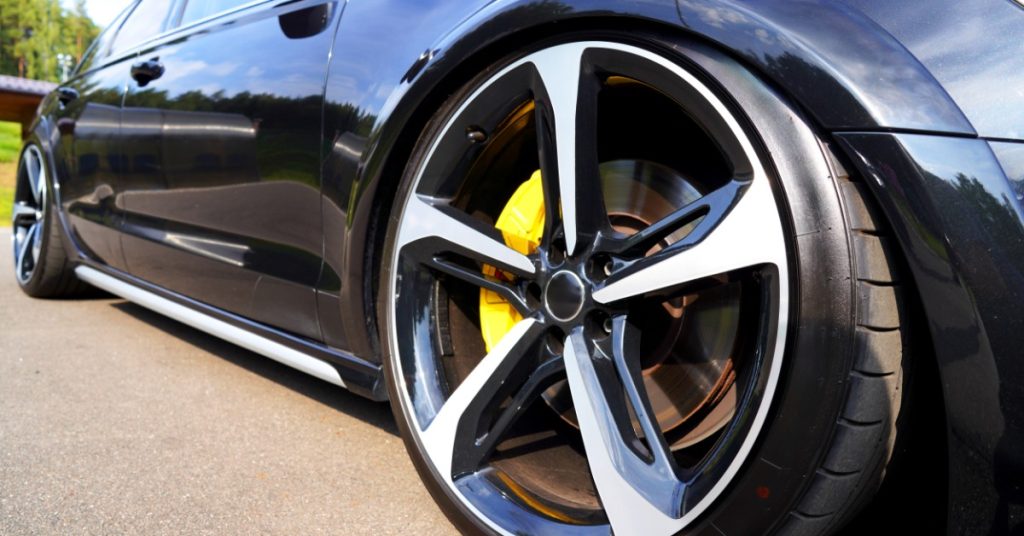
Tires influence how your car handles, how smooth the ride feels, how quickly your vehicle responds, and how confident you feel behind the wheel. When drivers compare low-profile tires with regular tires, they usually notice the visual distinction first, but the real difference reaches far beyond appearance. Keep reading to understand what the difference is between low-profile and regular tires and decide what’s right for your car.
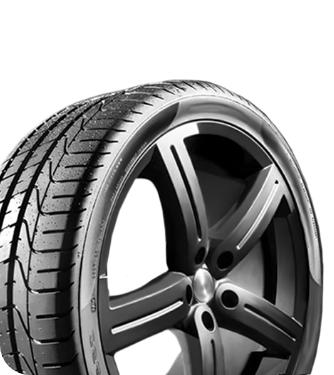
Low-profile tires have shorter sidewalls than regular tires. The sidewall is the rubber area between the wheel rim and the tread that touches the road. When that sidewall looks slim, the tire has a lower profile.
Drivers usually see low-profile tires with larger wheels. This combination creates a more aggressive appearance because the wheel takes up more visual space inside the tire. Many sports cars, performance sedans, and custom vehicles use low-profile tires because they support crisp steering response and a bold stance.
A tire’s profile comes from its aspect ratio. The aspect ratio compares the tire’s sidewall height to its width. For example, a tire size with a lower aspect ratio has a shorter sidewall than a tire with a higher aspect ratio.
This number matters because it changes how the tire behaves on the road. A shorter sidewall flexes less during cornering, which can make the vehicle feel more responsive. A taller sidewall gives the tire more room to absorb road imperfections, which can create a smoother ride.
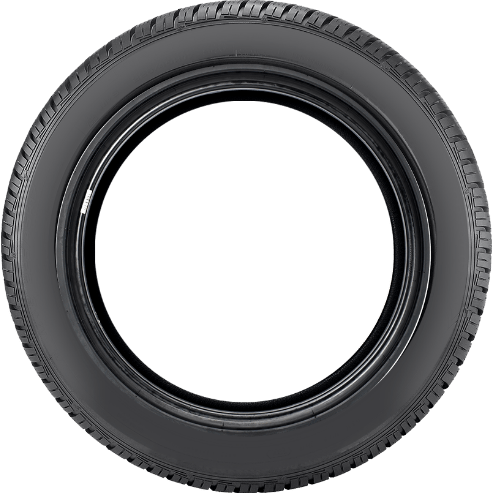
Regular tires have taller sidewalls than low-profile tires. Many passenger cars, SUVs, crossovers, and trucks use regular tires because they balance comfort, durability, and daily driving needs. They may not look as sporty, but they provide dependable performance for many drivers.
Regular tires also give the wheel more rubber between the rim and the road. That extra sidewall height helps cushion bumps, potholes, and rough pavement. For drivers who care more about ride comfort than a performance-inspired appearance, regular tires usually make practical sense.
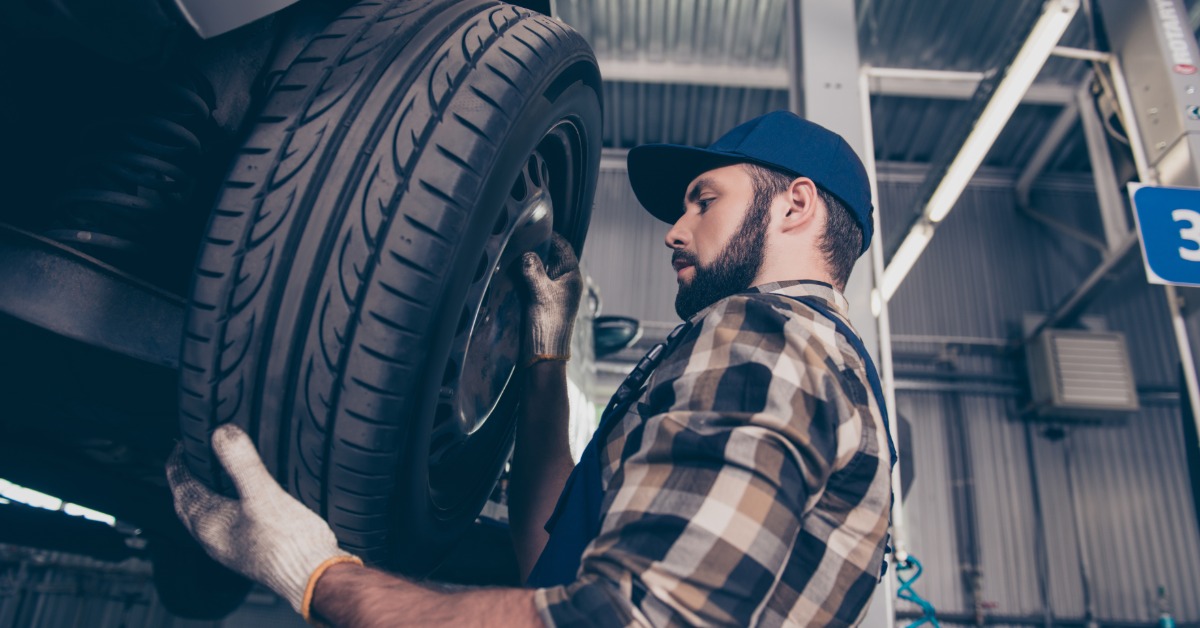
Daily driving puts tires through a wide range of conditions. A driver may travel from smooth highways to broken pavement, wet roads, gravel driveways, or crowded parking lots in the same day. Regular tires handle these changes with a more forgiving feel.
That forgiving feel comes from the taller sidewall. It absorbs more impact before the force reaches the suspension and cabin. This design can make regular tires a strong fit for commuters, families, and drivers who want a balanced tire for everyday use.
The biggest difference between low-profile and regular tires is the sidewall height. A low-profile tire has less sidewall between the tread and wheel, while a regular tire has more. That one design change affects comfort, handling, wheel protection, and appearance.
A shorter sidewall gives the tire a firmer structure. That firmer structure can help the vehicle react more quickly when the driver turns the wheel. A taller sidewall allows more flex, which can smooth out the ride and reduce the harsh feeling that comes from rough roads.
Low-profile tires can make road texture more noticeable. Drivers may feel cracks, bumps, and potholes more sharply because the tire has less sidewall to absorb those impacts. This firmer ride may appeal to drivers who enjoy a connected, performance-focused feel.
Regular tires usually create a softer ride. They can absorb more vibration before it reaches the cabin, which helps passengers stay more comfortable. On roads with patched asphalt, expansion joints, or uneven pavement, that difference can stand out quickly.
Low-profile tires can improve steering response because their shorter sidewalls flex less. When the driver turns, the tire reacts quickly and keeps the tread more stable against the road. This can give the vehicle a tighter, sportier feel.
Regular tires may feel less sharp during quick turns, but that does not mean they perform poorly. They still provide safe, predictable handling when properly matched to the vehicle.
Drivers who enjoy spirited driving may prefer the feedback that low-profile tires provide. The vehicle may feel more planted through curves, and steering inputs may feel more immediate. This can make low-profile tires appealing for performance cars or vehicles with upgraded wheel packages.
Many drivers choose low-profile tires because they like the look. The shorter sidewall and larger wheel combination can give a vehicle a cleaner, more customized appearance. It can also make the car look lower, wider, and more performance focused.
Regular tires create a more traditional look. They may not draw as much attention, but they fit a wide range of vehicles and styles. For many drivers, that simple appearance works perfectly because the tire supports comfort, value, and daily use.
Drivers who upgrade wheels need to choose tires carefully. A larger wheel usually requires a tire with a shorter sidewall to keep the overall tire diameter close to the original size. If the tire size changes too much, it can affect speedometer readings, handling, braking, and clearance.
Tire profile can play a role in fuel economy, but it does not act alone. Tire weight, tread design, rolling resistance, alignment, inflation, and driving style all matter. Some low-profile tire and wheel setups add weight, which can affect efficiency.
Tire wear also depends on maintenance. Low-profile tires may show uneven wear more quickly if the vehicle has alignment issues or improper tire pressure. Regular tires need the same care, but their design may feel more forgiving when the vehicle deals with everyday road impacts.
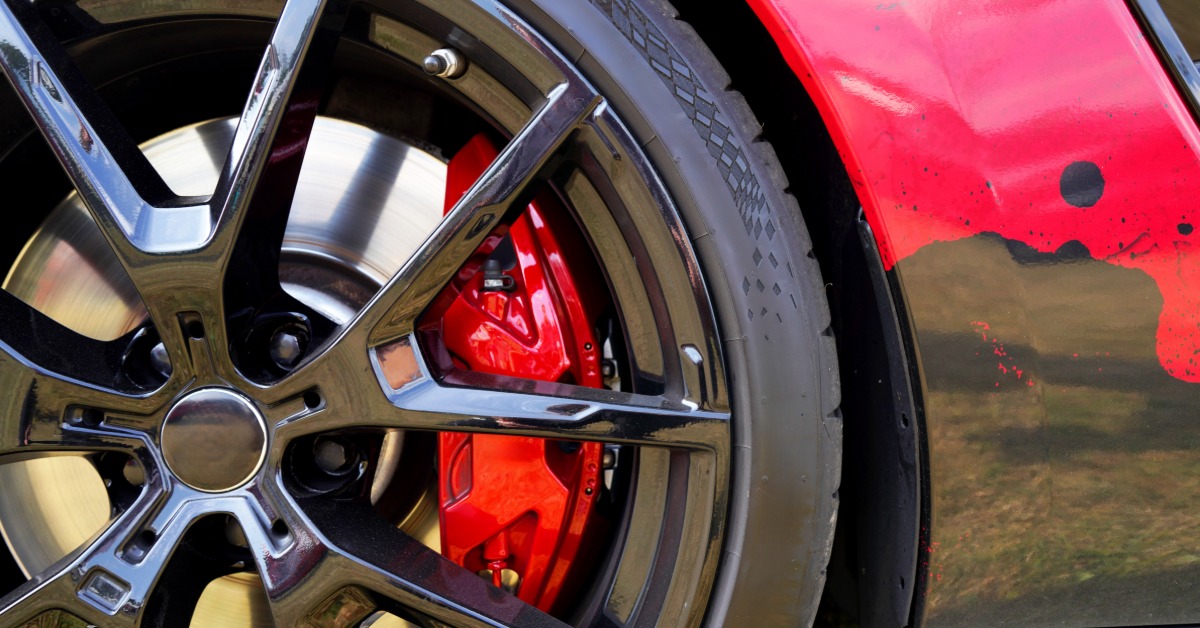
Low-profile tires can cost more than regular tires, especially with larger wheels or performance-focused tread designs. Replacement costs may also rise if the tire size has fewer budget-friendly options. Drivers should consider both the upfront price and long-term maintenance needs.
Regular tires usually offer a wider range of price points. Many vehicles use common regular tire sizes, which can make shopping simpler. This variety can help drivers find a tire that matches their budget, vehicle, and preferred ride feel.
Low-profile tires may suit you if you want sharper handling, a sportier appearance, and a more responsive feel. They can work well for drivers who prioritize style and performance. You should also feel comfortable with a firmer ride and potentially higher replacement costs.
Regular tires may suit you if you want comfort, practicality, and more cushion on rough roads. They work well for commuters, families, and drivers who care about a smooth daily ride. They can also provide better wheel protection when road conditions change quickly.
Low-profile tires and regular tires can both serve drivers well, but they create different experiences behind the wheel. The better choice depends on how much you value comfort, style, handling, wheel protection, and long-term cost. If you want help comparing options for your vehicle, visit RNR Tire Express for tires in Hattiesburg, MS, and talk with a local team that can help you find the right fit. With the right tire setup, your vehicle can look right, ride right, and handle the road with confidence.
By signing up you agree to our Privacy Policy.