Maintenance
|
Jul 23, 2019
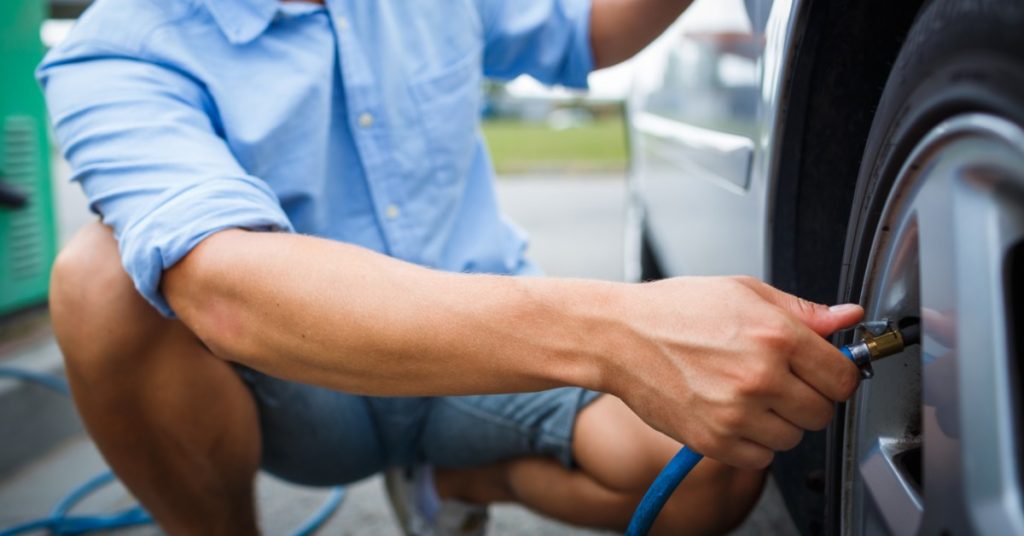
Properly inflating your car’s tires yourself is one of the simplest ways to ensure your car responds better on the road. You might wait for a warning light to turn on or for your tire to appear low on air. However, pressure problems begin before anything looks obviously wrong. Don’t let anyone tell you this is a complicated process because that couldn’t be further from the truth. A few minutes of your attention can ensure your vehicle handles better day after day.
Tire pressure affects far more than whether a tire looks full. It changes how much of the tire touches the road, which influences steering stability and comfort. Balance matters because your tires are designed to carry your vehicle’s weight in a very specific way. Proper pressure helps the tread wear more evenly. It’s one of the most basic maintenance habits, but it plays a role in nearly every mile you drive.
The correct tire pressure for your vehicle is not the number printed in large text on the tire’s sidewall. That figure is the tire’s maximum pressure rating, not the recommended setting for daily driving on your specific vehicle. The correct PSI is typically listed on a sticker inside the driver-side doorjamb and may also appear in the owner’s manual.
That recommendation is based on the way your vehicle was built. Some cars even call for different pressure levels in the front and rear tires. If you need help confirming fitment or checking tires in Panama City, RNR Tire Express can help you make sure your tire setup matches your vehicle’s needs.
The most accurate reading occurs when your tires are cold, which usually means the vehicle has been parked for several hours. Once the tires warm up from driving, the pressure reading rises and can make the result less reliable for a routine check.
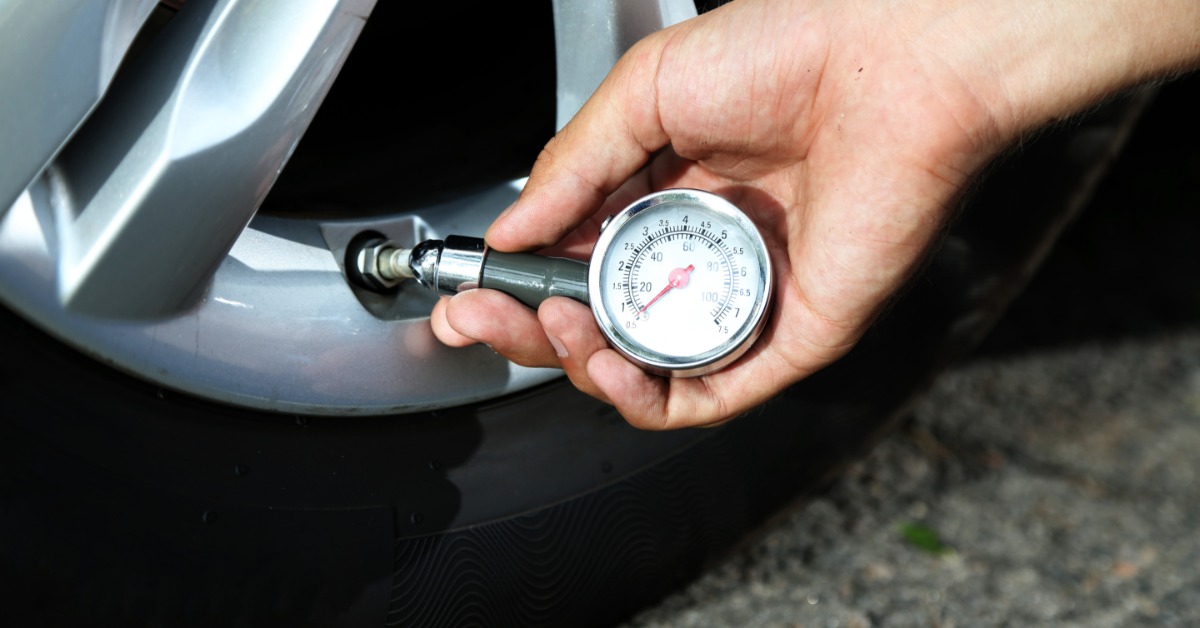
Remove the cap on the tire valve and insert the gauge onto the stem. If a quick burst of air comes out, that is normal as the gauge seals and measures pressure. Keep the gauge straight and secure to get a clear reading instead of an inconsistent one.
After you get the reading, compare it to the recommended PSI listed for your vehicle. Repeat the same process on all four tires instead of assuming they are all close enough, because one tire can easily drift lower than the others without being obvious at a glance.
Once you finish checking each tire, screw the valve caps back on tightly to help keep out dirt and moisture. If one tire repeatedly reads low, it can indicate a leak or valve problem that needs more attention than a simple refill.
Once you know the correct PSI, adding air becomes much more straightforward. If you are using a home air compressor, attach the hose to the valve stem and add air in short bursts instead of holding it in place too long. Check the pressure again between bursts so you do not accidentally overfill the tire. This approach gives you more control and makes it easier to stop right at the recommended number.
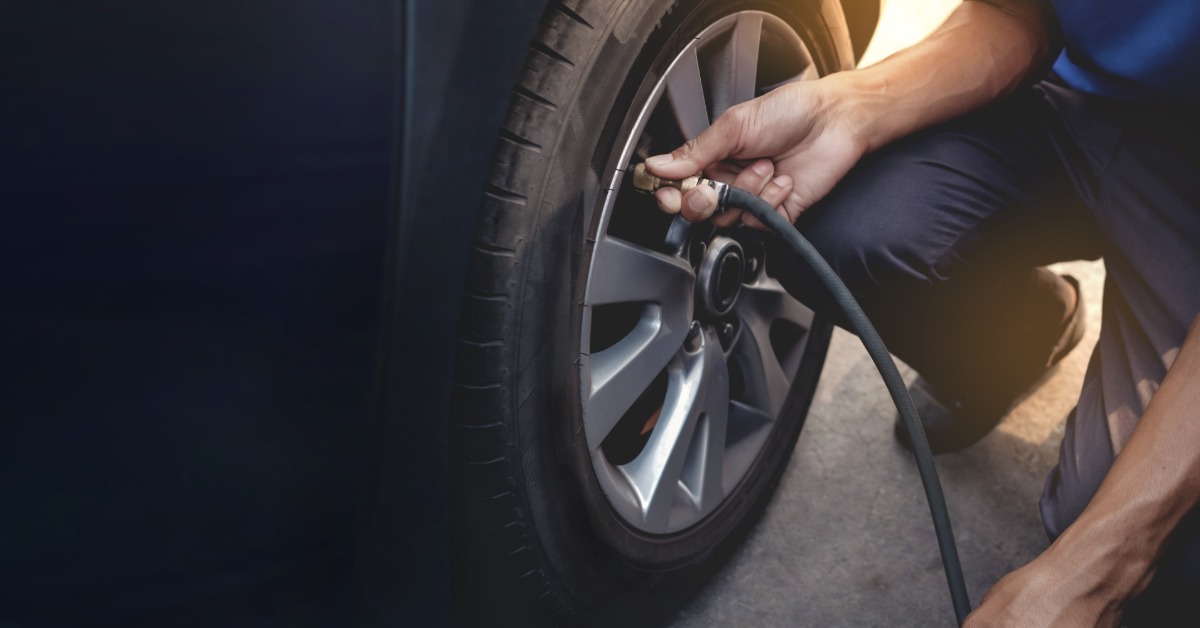
If you do not have a compressor at home, many gas stations and service locations have air machines available. The process is similar: remove the cap, attach the air hose, add air gradually, and recheck with a gauge until the tire reaches the right PSI. Some air compressors at these locations even let you set your desired PSI, and the machine will automatically stop once it reaches that pressure.
If you accidentally overinflate the tire, press the pin inside the valve stem briefly to release a small amount of air, then test again. The goal is accuracy, not speed.
Tire pressure changes with temperature, so weather shifts can affect your readings. Colder air usually causes pressure to drop, while warmer conditions can raise it. Long drives and extended sun exposure can also temporarily change tire pressure. That does not always mean there is a problem, but it does mean your tires may not stay at the same PSI year-round.
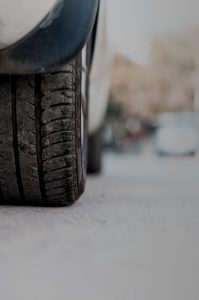
A good habit is to check your tire pressure at least once a month. It is also smart to check it before a road trip, after major temperature changes, or anytime your vehicle feels slightly different on the road. Waiting until a tire looks visibly low is not the best strategy, because modern tires can lose pressure without appearing dramatically flat at first glance.
Driving on improperly inflated tires can affect more than just tread wear. Underinflated tires create extra heat and strain as they roll, while overinflated tires can make the ride feel harsher and reduce how evenly the tire meets the road. In either case, the vehicle may not handle as smoothly or predictably as it should. Over time, incorrect pressure can shorten tire life and make everyday driving less stable. Keeping your tires at the right PSI helps support safer, more consistent performance.
Keeping up with tire pressure is much easier when you have a few basic tools within reach, and the right setup can make regular checks feel like a quick habit instead of a chore. Helpful items to keep on hand include:
These tools do not take up much space, but they make routine tire care more convenient and easier to maintain consistency over time.
Knowing how to care for your tires is part of driving smarter, not just driving more. Taking time to properly inflate your car tires can help you stay ahead of wear and avoidable stress on your vehicle. When you want added support with tire care, RNR Tire Express is here to help. A quick pressure check today can save you from a much bigger problem later.
By signing up you agree to our Privacy Policy.