Tires
|
May 30, 2019
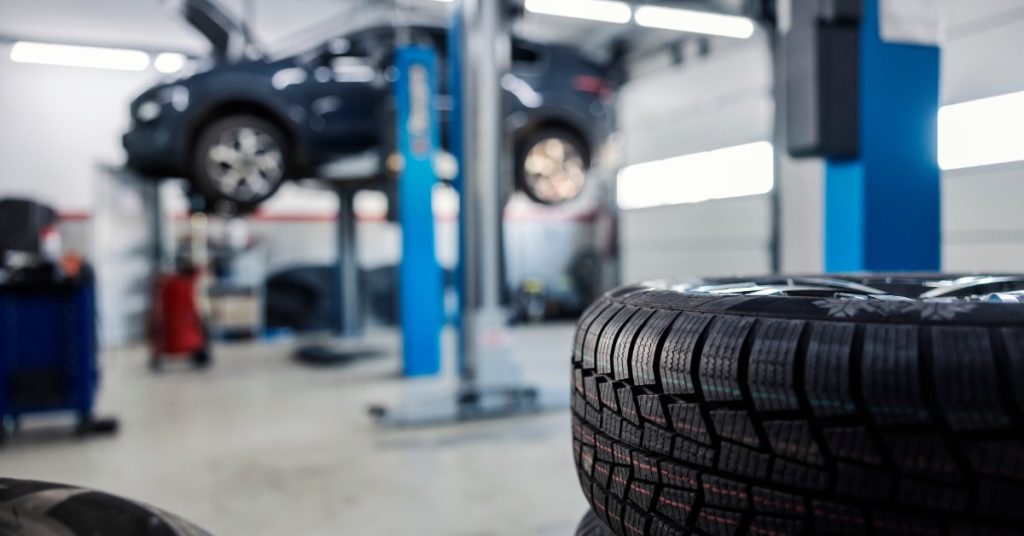
New tires should bring a welcome sense of control to your daily drive. Fresh tread can improve traction, and a suitable set can help your vehicle feel more stable and comfortable on Mississippi roads. Yet some drivers notice bumps, vibrations, or extra noise right after installation. Understanding the possible causes of a rough ride on new tires can help you separate normal differences in tire feel from problems that deserve attention.
A new set doesn’t necessarily ride like the set it’s replacing. New tread has greater depth, and tire construction varies across models. A tire built for responsive handling may transmit more road texture than a comfort-focused touring tire. That doesn’t mean the tires are defective.
The first step is to describe the sensation. A steady hum suggests something different from a steering-wheel shake at highway speed. A thump that repeats with each wheel rotation points toward another set of possibilities. Noting when it appears helps a technician.
Tread blocks, grooves, and rubber compounds all influence how a tire responds to pavement. Larger tread blocks can feel firmer over small imperfections, and some aggressive patterns produce more audible road noise. Stiffer sidewalls can sharpen steering response but also pass more impact through the cabin.
Compare the new tire’s category with your vehicle’s previous set. An all-terrain tire, for example, won’t necessarily feel like a highway touring tire, even at the same size. Check the vehicle’s load and speed specifications before choosing alternatives.
One possible cause of a rough ride on your new tires is the air pressure. Excess pressure reduces the tire’s ability to absorb small road impacts. A car may feel jittery over pavement seams, and the center of the tread may wear faster over time.
Low pressure presents different concerns. The sidewall flexes more, which can make steering feel vague and generate excess heat. Don’t judge pressure by appearance alone; a tire can look normal even when its pressure needs adjustment.
Check all four tires with a reliable gauge after parking the vehicle long enough for them to cool. Use the pressure listed on the vehicle’s driver-door placard or in its manual, not the maximum pressure on the tire sidewall. Confirm that any tire-pressure monitor reset followed manufacturer instructions.

New tires need proper balancing after mounting them on their wheels. Even a small difference in weight distribution can create vibration as the assembly rotates. Drivers commonly notice the issue through the steering wheel or seat at certain speeds, particularly on the highway.
A technician can check the balance and inspect for other causes if the shake remains. Ask if the vibration appears at one speed or across a broad range; that detail can help distinguish balance issues from other mechanical problems.
A conventional balance test measures weight distribution, but it doesn’t fully describe how the tire rolls under a load. Road force equipment presses a roller against the tire to detect variations in stiffness and wheel or tire uniformity. Such variations may cause vibration despite a successful balance test.
If balancing doesn’t resolve a speed-related vibration, ask a tire professional whether road force evaluation makes sense for your vehicle. The results can help determine if the tire needs repositioning on the wheel or if another correction is appropriate.
A tire that fits onto a wheel isn’t automatically the right choice for the vehicle. Changes in overall diameter, sidewall height, load rating, or wheel specifications can affect ride comfort. A low-profile tire typically has less sidewall available to cushion sharp impacts than a comparable tire with a taller sidewall.
Check that each tire matches the vehicle’s fitment and the manufacturer’s requirements. Some vehicles specify different front and rear sizes, so an apparent mismatch may be intentional. With new rims, confirm wheel dimensions and offset, too.
A local tire shop in Gulfport, MS, can review the tire specifications and help determine if the new setup suits your vehicle and the roads you travel. The right fit should support predictable handling without creating unnecessary ride harshness.
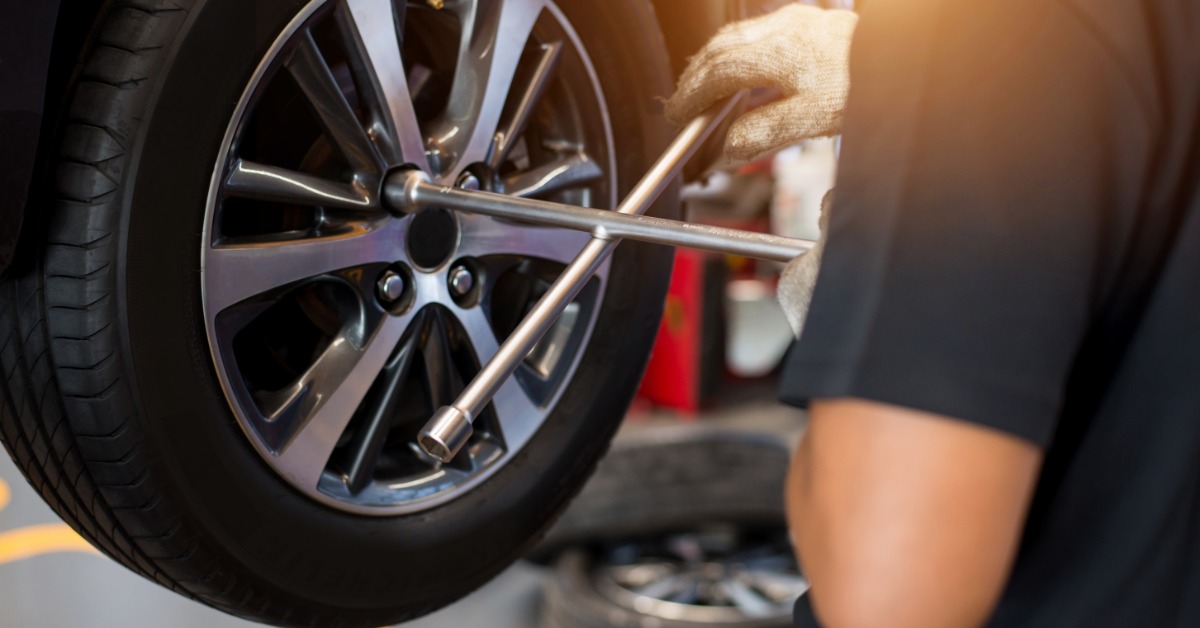
Occasionally, a rough ride points to how a tire sits on its wheel. The tire bead must seat correctly around the rim, and the wheel must mount flush against the hub. Dirt or corrosion on mating surfaces can interfere with proper wheel installation. Improperly torqued lug nuts also create a safety concern that needs prompt professional inspection.
New tires can have manufacturing irregularities. A tire with excessive radial runout may produce a repeating hop or shake. Visible bulges, unusual wobble, or persistent vibration warrant an inspection rather than driving to see if the symptom disappears.
Don’t attempt to correct a mounting problem at home. A qualified technician can verify bead seating, wheel condition, mounting surfaces, and fastener torque using the proper equipment and vehicle specifications.
A new tire installation sometimes draws attention to a problem that already existed. Worn shocks or struts may allow extra bouncing after a bump. Loose steering components or deteriorated suspension bushings can produce vibration, noise, or unsettled handling. New rubber won’t repair those components.
Wheel alignment deserves a separate look. Incorrect alignment can cause pulling, an off-center steering wheel, or uneven tread wear. Balancing won’t correct alignment. A technician should examine the actual symptoms before recommending either service.
Road conditions matter, too. Mississippi drivers encounter patched asphalt, expansion joints, and potholes that can magnify a firmer tire’s characteristics. Compare the ride on another safe, smooth road. A symptom that follows the vehicle across multiple roads calls for closer attention.
Start with a few observations before you return to the shop. Note when you first noticed the problem, the speeds at which it appears, and where you feel the vibration. Mention any tire or wheel changes made during the appointment.
Prioritize safety if the symptoms become severe. Strong shaking, a visible sidewall bulge, a sudden loss of pressure, or unusual steering behavior should prompt you to stop in a safe place and seek professional help. Don’t continue at highway speeds to test whether the problem clears up.
A short follow-up inspection can reveal something as manageable as incorrect pressure or an out-of-balance assembly. Other cases warrant fitment or suspension checks. Don’t assume the tires cause every change.
A rough ride after tire replacement isn’t something you need to ignore. Pressure, balance, tire design, fitment, and existing vehicle conditions can each influence how a fresh set feels on the road. Identifying the specific symptom helps direct the next step and may prevent needless parts replacement.
If your new tires don’t feel right, contact RNR Tire Express for help reviewing your options and arranging a tire inspection. Our team can discuss suitable tires and wheels for your vehicle so you can get back to a more confident, comfortable drive.
By signing up you agree to our Privacy Policy.