Tires
|
May 30, 2019
Tires should last for thousands of miles, but many drivers see tread disappear far sooner than they expect. If you keep replacing tires before you think you should, something in your driving routine, vehicle setup, or road conditions is likely speeding up wear. Keep reading to find out the possible reasons your tires are wearing out so quickly.
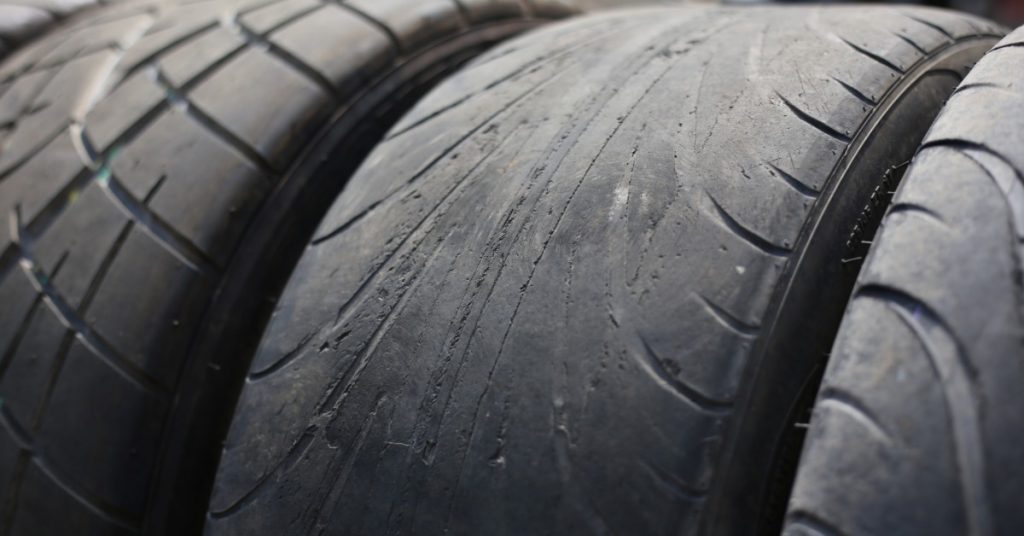
Tire tread wears down every time rubber meets pavement, but it should wear evenly and predictably. When something changes the way your tires contact the road, you can lose tread quickly on the edges, the center, or in random patches. Uneven wear rarely fixes itself, so the tire keeps scrubbing until you correct the root cause.
Your tires can tell you what’s wrong through the wear pattern. Shoulder wear can point to underinflation, while center wear frequently suggests overinflation. Feathering and cupping usually signal alignment, balance, or suspension concerns. When you catch the pattern early, you can save your tires, or at least learn how to protect your next set of tires better.
Tire pressure changes with temperature, and Florida’s heat makes that swing more noticeable. Even if your tires look fine, the wrong pressure changes the size and shape of the contact patch. That small change can shred tread faster than most drivers expect. Consult your owner’s manual for the recommended PSI range for all your vehicle’s tires.
When tires run low, they flex more with every rotation. That flexing creates heat, and heat breaks down rubber faster over time. Low pressure also pushes more load to the shoulders, so the outside edges wear down first, and the tire can feel squishy in turns.
When tires run too high, the center carries more of the load. The middle tread wears faster, and you lose traction when roads turn slick during sudden Florida storms. Overinflation can also make the ride harsher, which can mask other handling problems you need to address.
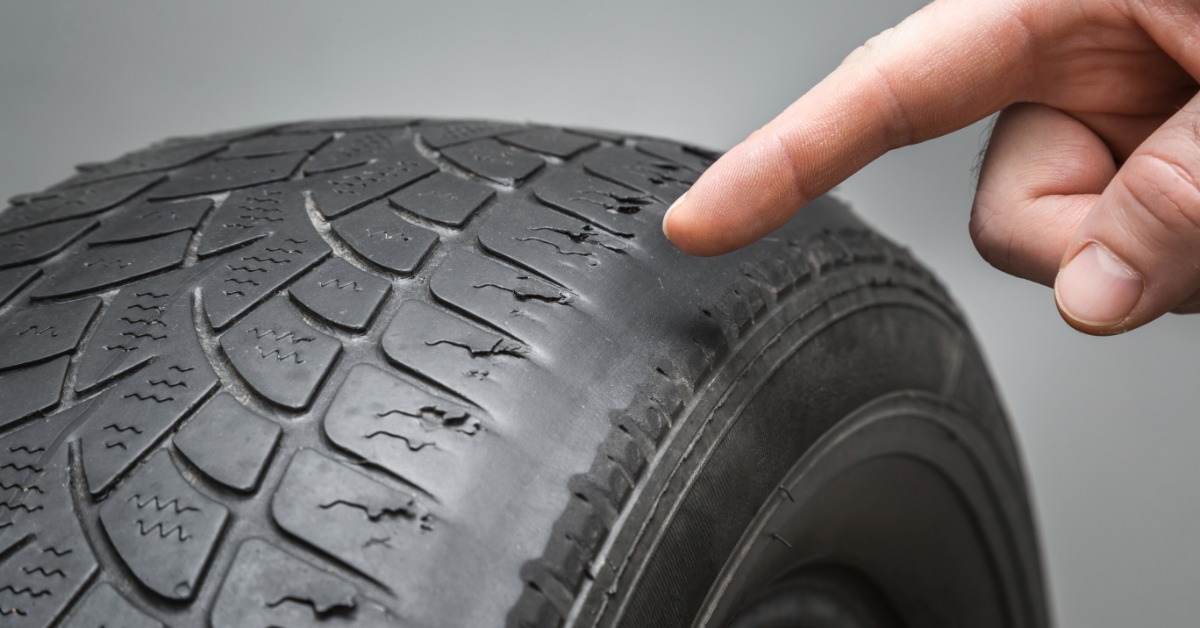
Wheel alignment controls how your tires meet the road. When angles drift out of spec, the tire scrubs instead of rolling smoothly. That scrubbing can grind away tread quickly, even if the tire is new.
Florida roads can change fast, and potholes, curb taps, and uneven pavement can push alignment out of range. You might notice pulling, a crooked steering wheel, or steering that feels twitchy. Even if the car still drives okay, misalignment can quietly chew through tread.
If one edge of the tire wears faster than the other, alignment frequently plays a major role. Drivers sometimes blame the tire brand, but the tire usually reacts to the vehicle’s setup. A proper alignment restores even contact and helps the tread last longer.
Front tires typically wear faster because they handle more steering and braking. Many vehicles also place more weight over the front axle, which increases the workload on the front tires. If you never rotate, you force two tires to do the hardest job for the entire life of the set.
A rotation appointment also gives you a chance to spot wear patterns before they become expensive. You can notice a slow leak, a damaged sidewall, or early alignment drift. That early catch can save the tires you already paid for.
Balance keeps the tire and wheel spinning smoothly at speed. When tire balance drifts, the tire can bounce slightly, and that bouncing pounds the tread in certain areas. Over time, the tire develops scalloped or cupped wear that gets louder and rougher.
If the steering wheel shakes or the seat vibrates at highway speeds, you should not ignore it. The vibration can accelerate wear and make the ride feel unstable in heavy rain. Balance service can restore a smooth roll and protect the tread from uneven impact.
Suspension parts keep the tire planted and stable. When shocks, struts, bushings, or ball joints wear out, the tire can bounce, tilt, or shift under load. That movement causes uneven wear that looks like cupping, chopping, or random bald spots.
Some suspension issues only appear while driving, not while stationary. A worn bushing can let the wheel angle change during braking or cornering. That shifting can ruin tires fast because the tire never maintains consistent contact with the road.
Another reason your tires are wearing out so quickly may be the way you drive. Hard acceleration, rapid braking, and sharp cornering increase friction and heat. Heat softens the rubber and speeds up the breakdown of tread compounds.
Frequent braking and accelerating in city driving can wear tires faster than steady highway cruising. Florida’s busy corridors and seasonal traffic surges can amplify this effect. If you drive mostly in town, you should pay closer attention to rotation timing and pressure checks.
Carrying heavy cargo, towing beyond recommended limits, or routinely packing the vehicle for work can overload the tires. Overload increases heat and pushes the shoulders harder, especially if pressure stays low. When you match tire load ratings and maintain the right pressure, you reduce stress on the tread.
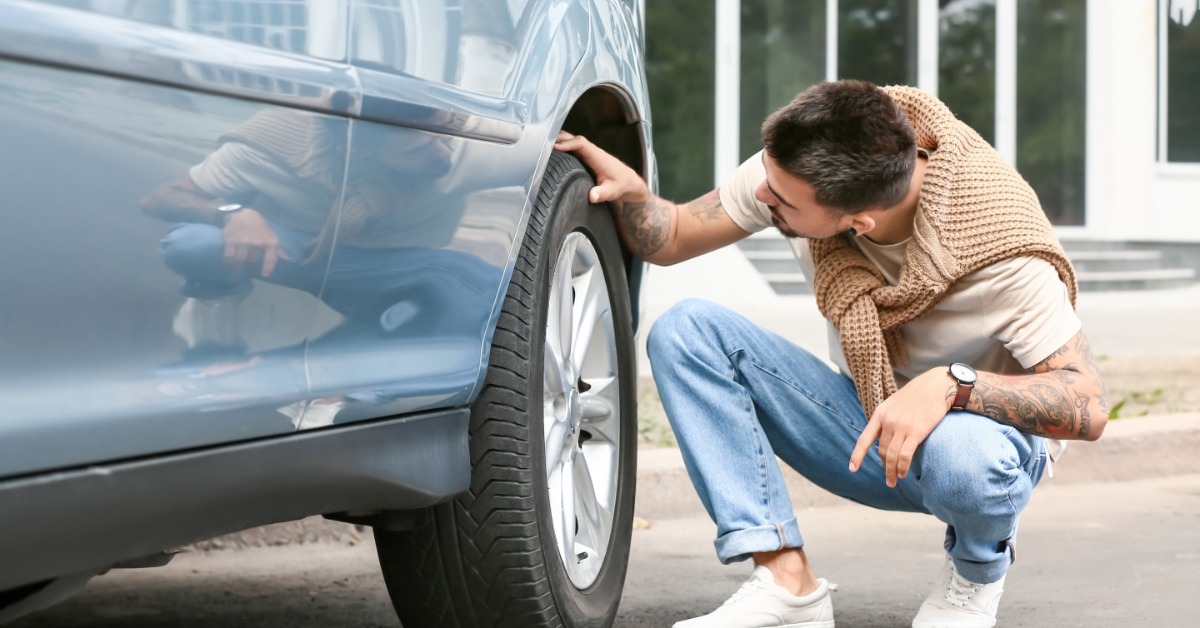
Not every tire fits every driver. Some tires use softer compounds for traction, while others prioritize long tread life. If you pick a tire that does not match your vehicle type, mileage patterns, or road conditions, you may see faster wear.
Hot pavement and sudden rainstorms create a challenging mix. You want a tire that handles heat without breaking down and channels water effectively for grip. When you combine the right tire with proper maintenance, you get safer performance and better longevity.
Tires rarely fail overnight, but can wear unevenly for months before drivers notice. Once the pattern becomes severe, rotation and alignment might not save the tire. Regular inspections help you act early and stretch the life of the set.
Fast tire wear usually points to pressure issues, missed rotations, alignment drift, balance problems, or worn suspension parts. Florida driving conditions can intensify these issues, but you can regain control by staying consistent with checks and service.
If you want help diagnosing uneven tread or finding new tires in Panama City, RNR Tire Express is here to help. We offer custom wheels, alignments, and flexible payment options to fit any budget. Stop by your local store and let the team serve you with a tire check that helps your next set last longer.
By signing up you agree to our Privacy Policy.