Tires
|
May 30, 2019
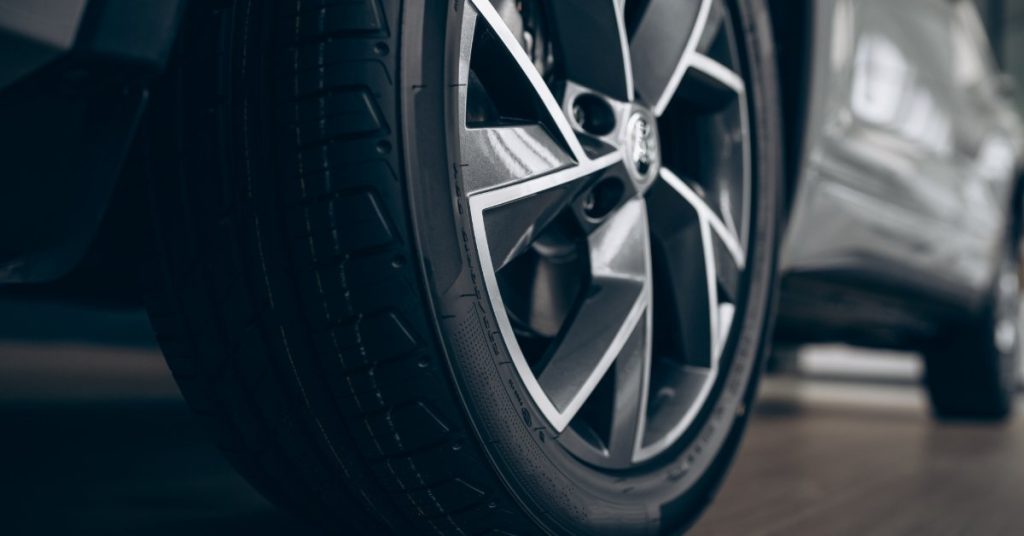
Installing new tires improves traction and handling performance. Many drivers expect it to result in a smoother experience immediately after replacement, but steering or handling problems sometimes continue after the installation.
In many cases, the issue comes from wheel alignment rather than the tires themselves. Drivers who ignore alignment problems risk uneven tread wear and reduced vehicle control.
Proper alignment keeps all four wheels at the correct angles. Those angles help the tires maintain even contact with the road surface. Recognizing the signs that your vehicle needs an alignment after installing new tires helps drivers protect their investment and maintain safer driving conditions.
One of the most common alignment symptoms is the vehicle drifting left or right on a straight road. Drivers may notice the steering wheel requires constant correction to keep the vehicle centered in the lane, or a pulling sensation that becomes more noticeable with new tires. Misaligned wheels create uneven resistance, causing the vehicle to favor one direction.
Road crown and wind conditions can create slight movement, but consistent pulling indicates a larger problem. Drivers should test the vehicle on a flat road with minimal traffic to confirm the issue. A properly aligned vehicle should travel straight with minimal steering input. Persistent drifting usually signals incorrect camber, caster, or toe angles.
New tires should wear evenly across the tread surface during the early stages of use. Alignment issues disrupt the wear pattern, causing specific areas of the tread to deteriorate faster than others. Drivers may notice excessive wear along the inside, outer, or center edge of the tire. Uneven tread wear reduces tire lifespan and compromises traction during wet conditions.
Regular tire inspections help drivers spot abnormal wear before severe damage develops. Tire technicians frequently recommend alignment service when uneven wear appears soon after installation. Early correction prevents expensive, premature tire replacement.
A steering wheel should remain centered when the vehicle travels straight down the road. If the wheel tilts left or right while driving forward, alignment problems likely exist. Many drivers first notice this symptom immediately after installing new tires, as the steering response becomes sharper. A crooked steering wheel usually indicates incorrect toe alignment.
Improper toe settings cause the wheels to point inward or outward instead of straight ahead. That misalignment forces the driver to compensate with steering input to maintain direction. Even a slight deviation affects handling stability and driver comfort over time. Alignment adjustments restore the steering wheel to its proper centered position.

Drivers often expect smoother highway driving after replacing worn tires. When vibrations continue after installation, alignment or suspension issues may contribute to the problem. Misaligned wheels create inconsistent tire contact with the pavement, which produces noticeable vibration through the steering wheel or seat.
Wheel balance problems can also create similar sensations, so technicians often inspect both systems together. Alignment issues frequently combine with uneven tire wear to worsen the vibration.
Ignoring the problem allows the tires to wear irregularly and amplifies the shaking sensation. Proper alignment helps stabilize the vehicle and improve ride comfort during highway travel.
New tires normally improve cornering precision and steering response. If the vehicle feels loose or unpredictable after installation, alignment problems may exist beneath the surface. Drivers may notice delayed steering response or reduced control during lane changes. That instability affects driver confidence and overall road safety.
Misaligned suspension angles prevent the tires from maintaining consistent contact with the pavement. Reduced contact weakens traction during turns and sudden maneuvers. Drivers often mistake the issue for defective tires when alignment actually causes the handling concerns. Professional alignment service restores predictable steering performance and improves vehicle stability.
Wheel alignment affects more than steering and tire wear. Incorrect alignment angles create rolling resistance, forcing the engine to work harder during normal driving. Increased resistance leads to higher fuel consumption over time. Drivers who notice a sudden drop in gas mileage after installing new tires should consider an alignment inspection.
Even minor alignment problems can impact efficiency during daily commutes and highway travel. Tires that drag against the road surface require additional energy to maintain speed. Fuel economy losses may seem small initially, but costs increase significantly over the course of months of driving.
Many drivers assume tire replacement automatically includes alignment service. Some shops inspect alignment during installation, but not every vehicle receives a complete adjustment unless requested.
Technicians often recommend alignment after installing new tires because fresh tread highlights suspension inconsistencies. Alignment protects the new tires from unnecessary wear during the critical break-in period.
Several factors increase the likelihood of alignment issues after tire replacement. Potholes, curb impacts, worn suspension components, and rough roads gradually shift wheel angles out of specification. Drivers who recently experienced any of those conditions should strongly consider alignment service. At RNR Tire Express, our trusted tire shop in Corpus Christi can inspect alignment settings and help maximize tire lifespan after installation.

Alignment symptoms sometimes overlap with worn suspension components. Ball joints, control arms, tie rods, and shocks all influence wheel positioning and steering response. Damaged suspension parts prevent the alignment from holding correctly, even after adjustments. Drivers who experience recurring alignment problems may need a more thorough suspension inspection.
New tires often expose those underlying issues because fresh tread increases road sensitivity. Worn components create looseness that affects steering accuracy and tire contact with the pavement. Technicians usually inspect the suspension before performing alignment corrections to ensure long-term results. Replacing damaged components helps preserve tire performance and overall vehicle safety.
Modern vehicles rely on precise alignment measurements for optimal handling and tire longevity. Professional alignment equipment measures wheel angles with extreme accuracy and adjusts them according to manufacturer specifications. Professional service ensures the vehicle performs as intended after tire installation, whereas DIY methods often don’t achieve the proper results.
Technicians also inspect suspension components, steering systems, and tire condition during the process. That comprehensive evaluation helps identify hidden problems before they escalate into expensive repairs. Visit RNR Tire Express for assistance with your alignment service.
Our experienced team can help you avoid tire problems and fix your vehicle’s issues. Drivers who schedule regular alignment inspections protect both their vehicle investment and overall driving safety.
New tires represent a significant investment for most drivers. Alignment service protects that investment by promoting even tread wear and stable handling characteristics. When you understand the signs your vehicle needs an alignment after new tires, you can improve vehicle handling and avoid stress on steering components.
Drivers should monitor tire condition regularly after installation and respond quickly to unusual symptoms. Small handling changes often signal larger alignment problems developing beneath the surface. Early inspections help preserve ride quality and significantly extend tire lifespan. Proper alignment ensures new tires deliver the performance, comfort, and safety drivers expect from the moment they leave the shop.
By signing up you agree to our Privacy Policy.