Tires
|
May 30, 2019
A curb strike can feel like no big deal, especially after a slow turn into a parking space or a tight corner. Then you drive away, the car seems fine, and life moves on. That doesn’t mean the tire escaped without harm. Spotting hidden tire damage after a curb hit can help you avoid a flat tire or a costly repair later on. Use our comprehensive guide to learn how to take great care of your ride right now.
A tire absorbs a surprising amount of force during a curb strike. Even a light impact can compress the sidewall, stress the internal cords, or knock the wheel out of alignment. Some damage appears right away, but plenty of problems stay hidden until miles later.
Picture a driver who brushes a curb during a rainy evening. The tire still holds air, so the trip continues without another thought. A week later, the steering wheel starts to shake at highway speed. That vibration may trace back to damage from that single moment.
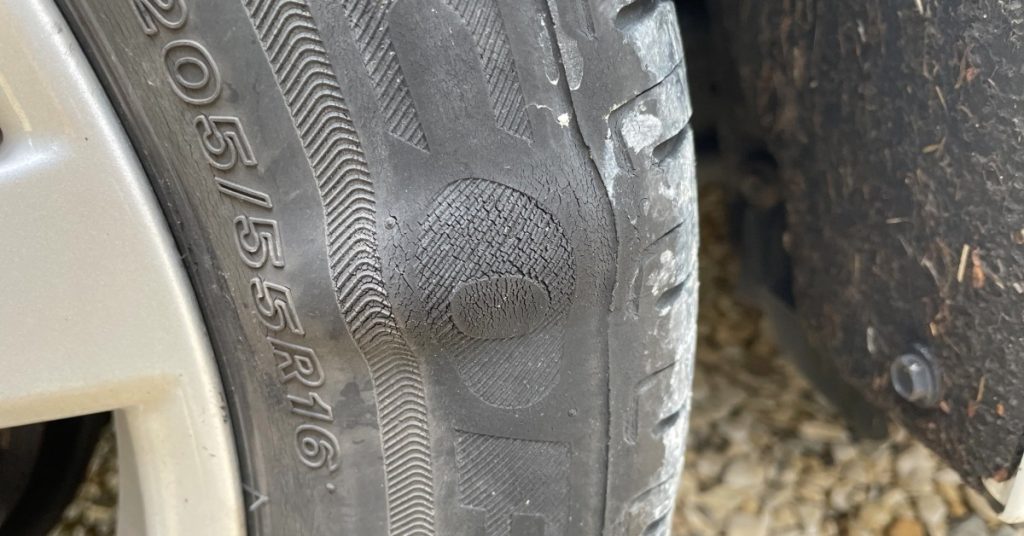
The sidewall takes the hardest hit in many curb impacts. Unlike the tread, this area has less rubber between the road and the tire’s internal structure. Take a close look for cuts, scrapes, cracks, or bulges.
A small scuff may only affect the outer rubber, but a bubble tells a very different story. That raised area means the internal cords have suffered damage, and the tire no longer has full structural support. A tire with a bulge deserves replacement rather than repair.
Damage doesn’t always stay near the sidewall. A hard hit can shift the tire enough to create unusual tread wear over time. Watch for areas that wear faster than the rest of the tire. Feathered edges, smooth spots, or uneven patterns deserve attention. Fresh wear after a curb strike may point toward an alignment issue or internal tire damage instead of normal use.
Your vehicle tells you a lot after a curb impact. Small changes in the way it drives can reveal trouble before a visual inspection does.
Keep an eye out for:
Each symptom deserves a closer look. Even if the tire appears normal, these changes can point toward hidden damage.
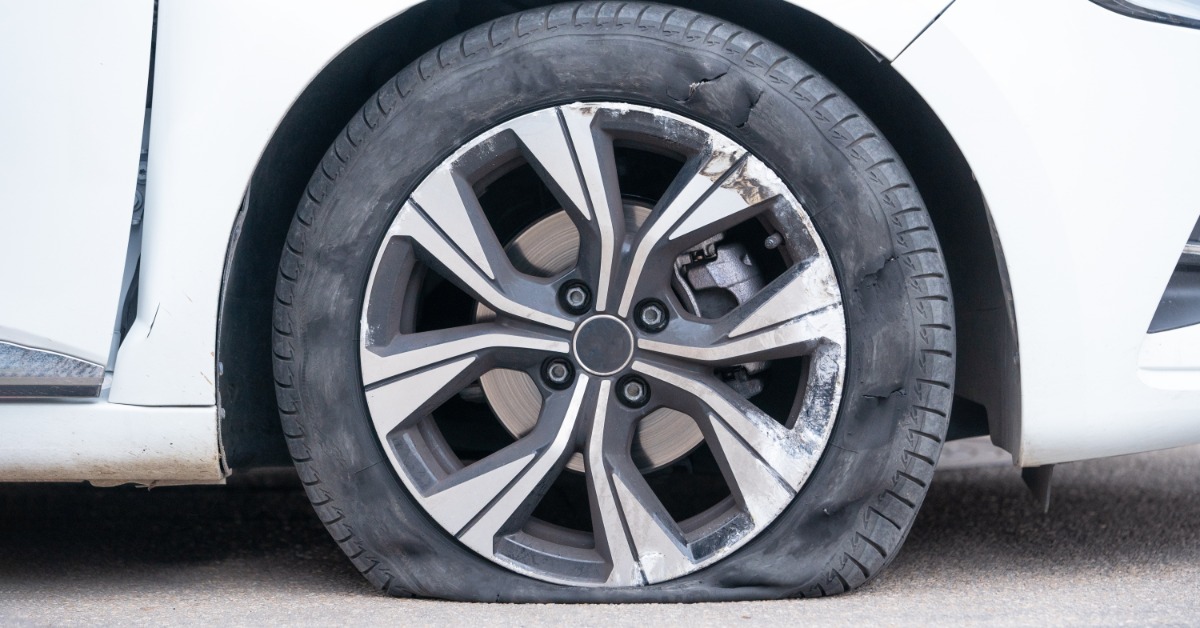
The tire isn’t the only part that suffers during a curb strike. The wheel itself can bend or crack from a sharp impact. A bent wheel may create vibration, even with a brand-new tire. Small cracks around the rim can allow air to escape little by little. Cosmetic curb rash isn’t always a concern, but deeper damage deserves a professional evaluation before the vehicle returns to daily use.
Spotting hidden tire damage after a curb hit requires you to think about wheel alignment. It doesn’t take a dramatic collision to change suspension angles. One solid hit against a curb can throw alignment out of spec.
You might notice the steering wheel no longer sits straight on a level road. The car may drift toward one lane without much input. Those signs suggest it’s time for an alignment check. Left alone, poor alignment can shorten tire life and reduce overall ride quality.
Many drivers expect a damaged tire to go flat within minutes. Real life doesn’t always work that way. A tiny break in the rubber or bead area can release air at a slow pace. You may add a few pounds every week before the problem becomes obvious. That gradual pressure loss places extra stress on the tire and creates more heat during everyday driving.
Expert inspections are invaluable to spotting hidden damage. A quick look at home helps, but it can’t reveal every problem. Tire professionals have equipment that detects bent wheels and damage hidden beneath the rubber.
At RNR Tire Express, trained technicians inspect tires and wheels with safety in mind. If replacement becomes the best path forward, you’ll also find a wide selection of quality tires plus flexible payment options that fit many budgets.
A curb strike followed by heavy rain or a stretch of hot weather can expose damage that wasn’t obvious at first. Moisture can work into a small cut, and high temperatures place extra stress on weakened rubber. That combination may cause a damaged area to grow sooner than expected. Even if your vehicle feels normal after the impact, another inspection a few days later can catch trouble before it turns into a larger repair.
A single damaged tire can look normal until you compare it with the other three. Park on a flat surface and walk around the vehicle. Look at tread depth, sidewall shape, and tire height from several angles. If one tire appears slightly lower, shows fresh wear, or has a different profile than the rest, that difference deserves attention. A side-by-side comparison helps small changes stand out much more clearly.
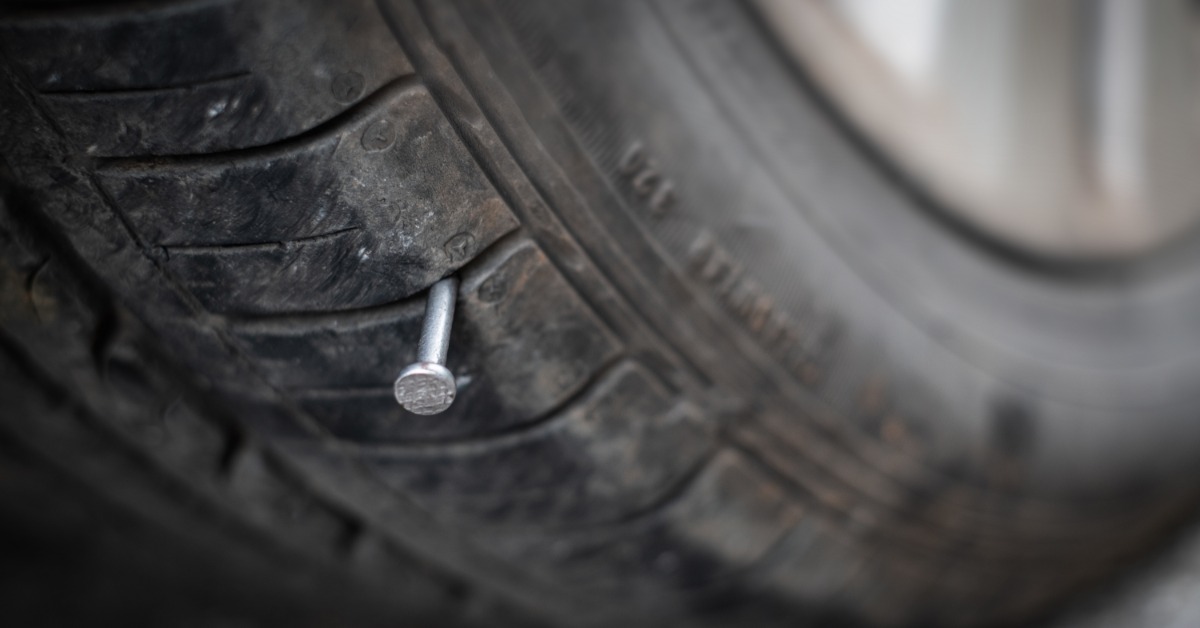
One light brush against a curb may not ruin a tire, but repeated impacts take a toll. Drivers who park along busy streets or squeeze into tight parking spaces can place repeated stress on the same tire. Over months, those small hits may weaken the sidewall or contribute to uneven wear that shortens tire life. Giving yourself a little extra room near curbs protects both your tires and your wheels, and it can help you avoid repairs that creep up long after the last impact.
A curb strike doesn’t have to leave visible damage to create future trouble. A careful inspection today can save you from roadside headaches tomorrow and help your tires last longer. If you’ve bumped a curb and want confidence before your next trip, talk to our tire shop in Montgomery, AL.
By signing up you agree to our Privacy Policy.