Tires
|
May 30, 2019
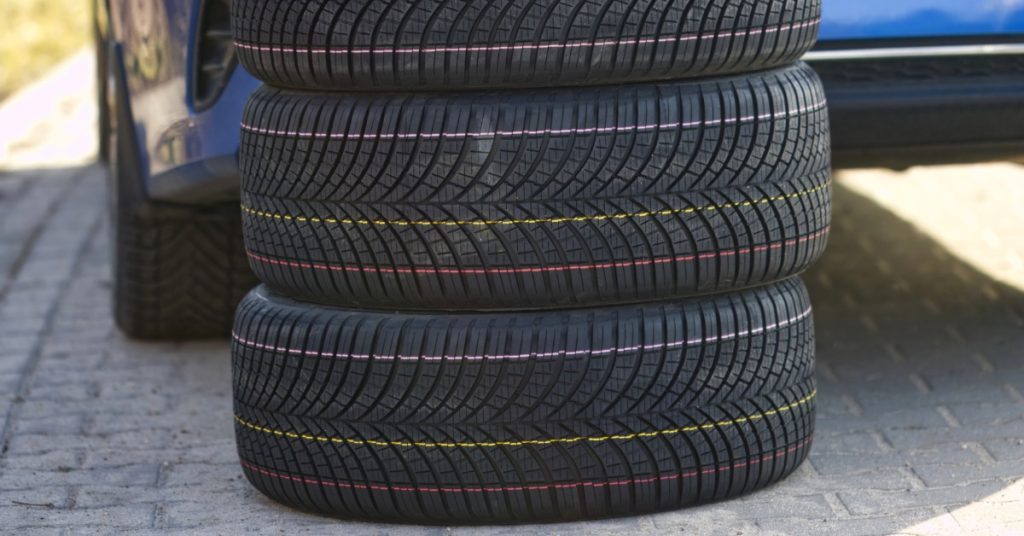
Driving on a familiar road feels very different when your vehicle responds the instant you turn the wheel or press the accelerator. That sharper connection sits at the heart of the benefits of upgrading your vehicle to performance tires, particularly for drivers who want more control without changing the vehicle itself. The right tires bring out handling characteristics that standard options tend to soften. Even an ordinary commute gains a more engaging, confident edge.
Performance tires are a category of tires built with specialized tread patterns and material construction that differ from standard touring tires. They are designed to maintain consistent contact with the road and typically feature firmer sidewalls that limit flex compared to conventional options.
These tires are available in several types, including summer, all-season, and ultra-high-performance models, each intended for different temperature ranges and driving conditions. While they can be used on a variety of vehicles, selecting the appropriate type depends on the vehicle’s specifications and intended use.
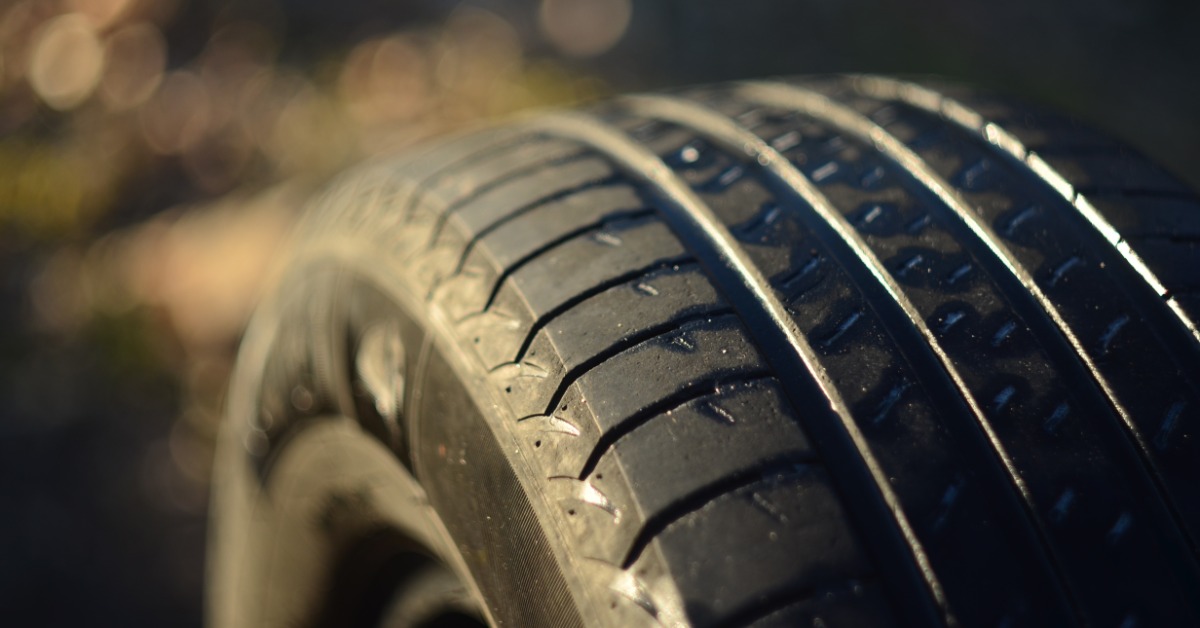
Performance tires reshape how a vehicle responds from the moment you take the wheel. The advantages extend beyond speed or aggressive driving. They support more precise control during ordinary travel, particularly when traffic or road conditions demand a fast response.
A performance tire responds to steering input with less delay. Its firmer construction keeps the tread planted when the vehicle changes direction, so the driver has a clearer sense of where the front wheels are pointing. A sharper response proves useful on winding roads and during lane changes.
The improvement comes from reduced sidewall movement rather than from a harsh ride alone. The distinction is important because responsive handling should not require constant discomfort. Many street-focused models preserve reasonable ride quality by balancing structural support with enough flexibility to absorb routine pavement imperfections.
Better feedback helps the driver make smaller corrections instead of oversteering. As a result, the vehicle tends to be more composed and predictable.
Grip determines how well a tire transfers engine power to the pavement. Performance compounds create stronger road contact, which reduces wheelspin during acceleration. The tread pattern then channels water away from the contact patch when the road turns wet.
Drivers should still match the tire category to the local climate. A summer performance tire loses flexibility in cold weather, whereas an all-season performance tire works across a broader temperature range. Selecting the right type protects the traction advantage throughout the year.
Braking depends on the tire’s ability to hold the road after the brake system applies force. A performance tire’s rubber compound and tread design create that hold, which may shorten stopping distances under the right conditions. The driver gains a more immediate response when pressing the brake pedal.
This benefit supports everyday safety, not just spirited driving. Sudden traffic changes leave little room for delay. Tires that maintain firm contact ensure the vehicle uses its braking system more effectively.
Performance tires make a vehicle more connected to the road. Acceleration is cleaner because the tires transfer power with less slip. Steering feels more direct because the vehicle responds more quickly to small steering inputs.
Proper responsiveness changes the character of daily driving. A familiar route becomes smoother and more engaging when the vehicle follows the intended line with less correction. The result is a stronger sense of control without requiring aggressive speed.
Performance tires once had a reputation for short tread life, but modern designs offer a broader range of durability. Many current models balance responsive handling with compounds built for regular street use. Proper inflation and routine rotation still play a major role in how long the tread lasts.
Drivers should compare treadwear ratings instead of assuming every performance tire wears quickly. A touring-oriented performance model lasts much longer than a track-focused option. Choosing the correct category prevents unnecessary wear and keeps expectations realistic.
Rotation intervals, alignment conditions, and tire pressure still influence service life, so the upgrade works best when paired with consistent maintenance. Performance does not replace upkeep; it rewards it.
Performance tires do not automatically improve fuel economy. Some use softer compounds or wider tread sections, which increase rolling resistance and increase the energy required to move the vehicle. Other models use modern construction methods that limit this effect.
The actual impact depends on tire size, pressure, vehicle weight, and driving behavior. Maintaining proper inflation reduces wasted energy. Drivers who value fuel economy should compare rolling-resistance information before selecting a tire.
The best tire matches the vehicle. Your choice shouldn’t be based simply on carrying the highest performance rating. Start with the manufacturer’s recommended size, load index, and speed rating. Changing those specifications without professional guidance may alter handling or interfere with safety systems.
Climate and daily driving conditions should shape the next decision. A commuter who drives through year-round rain needs a different tread design than someone who uses a sports coupe on dry weekends. Drivers often turn to trusted professionals, such as a tire shop in Jackson, TN, to compare options that suit their vehicle and expectations.
Professional guidance becomes useful when two tires share the same size but differ in compound or tread design. Those details influence real-world behavior more than branding alone.
Performance tires usually cost more than basic replacement tires because they use specialized materials and construction. Their value depends on whether the driver will benefit from the added control. Someone who values quicker steering response and stronger grip will notice more return from the upgrade than a driver focused only on the lowest purchase price.
Cost should include the tire’s expected lifespan and intended use. Buying an extreme summer tire for a mild daily commute may be a waste of money, whereas a balanced-performance all-season model provides a more practical upgrade. The best choice delivers noticeable improvement without exceeding what the vehicle or driver needs.
Tires influence every movement a vehicle makes, so an upgrade should reflect how the driver wants the vehicle to respond. Reviewing the benefits of upgrading your vehicle to performance tires separates meaningful improvements from marketing claims. RNR Tire Express offers tire selections and payment options that help drivers find a setup suited to their vehicle and budget. Visit your local RNR Tire Express to compare performance tires with guidance from a knowledgeable team.
By signing up you agree to our Privacy Policy.