Tires
|
May 30, 2019
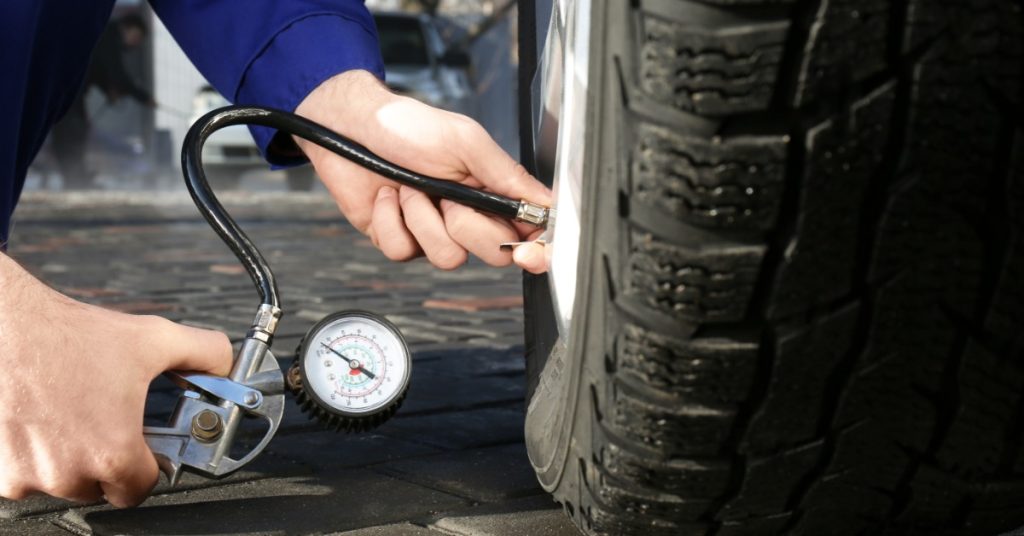
Drivers often overlook tire pressure differences between the front and rear wheels, yet this detail plays a critical role in vehicle performance. Tire pressure does not remain uniform across all four tires because weight distribution varies throughout the vehicle. Front tires typically carry more load due to the engine’s position and steering demands. Rear tires support different forces, especially during acceleration and cargo transport.
Automakers design vehicles with specific tire pressure recommendations for both front and rear tires to match these load differences. These recommendations ensure optimal handling, safety, and tire longevity under normal driving conditions.
Ignoring vehicle design specifications can lead to uneven wear and compromised control on the road. Understanding the difference between front and rear tire pressure helps drivers make smarter maintenance decisions.
Front tires handle steering, braking, and a significant portion of the vehicle’s weight. The engine sits over the front axle in most vehicles, which increases the load on those tires. Higher pressure in the front tires helps maintain proper shape and responsiveness under that weight. This adjustment improves steering precision and reduces excessive tire flex.
Front tires also experience greater friction during turns and braking. Proper inflation ensures the tire maintains full contact with the road without overheating. Drivers who neglect front tire pressure often notice faster tread wear along the edges. Maintaining correct pressure helps extend tire life and enhances driving control.
Rear tires support less weight in many passenger vehicles, so they often require slightly lower pressure. This difference allows the tires to maintain proper road contact without creating a harsh ride. Vehicles with rear-wheel drive or frequent cargo loads may require higher rear tire pressure. Adjustments depend on how the vehicle distributes weight during operation.
Rear tires also play a crucial role in stability, especially during acceleration. Correct pressure ensures the tires grip the road effectively without slipping or over-flexing. Drivers who overload the rear of a vehicle must increase pressure to compensate for added weight. Ignoring this need can lead to poor handling and increased tire wear.

Weight distribution directly influences how much pressure each tire needs to perform efficiently. Front-heavy vehicles demand higher pressure in the front tires to support engine weight and braking forces. Even weight distribution, as seen in some performance vehicles, may require more balanced tire pressures. Each configuration requires careful attention to manufacturer guidelines.
Changes in load also affect tire pressure requirements throughout daily driving. Carrying passengers or cargo shifts the weight toward the rear, which may require adjustments. Drivers who frequently haul heavy items should monitor rear tire pressure more closely. Consistent checks help maintain balance and prevent unnecessary strain on tires.
Proper tire pressure ensures predictable handling and stable cornering performance. Front tires influence steering response, while rear tires stabilize the vehicle during movement. Incorrect pressure in either position disrupts this balance and increases the risk of accidents. Drivers often notice reduced control when tire pressure falls outside recommended levels.
Safety also depends on how evenly tires distribute contact with the road surface. Underinflated tires create excessive heat, while overinflated tires reduce traction. Both conditions increase stopping distances and reduce overall control. Maintaining correct front and rear tire pressure supports safe driving in all conditions.
Many drivers assume all four tires require the same pressure, which leads to uneven performance. This assumption ignores the unique demands placed on front and rear tires. Others rely on visual inspection rather than a pressure gauge, which often leads to inaccurate readings. These habits can shorten tire lifespan and reduce safety.
Another common mistake involves checking tire pressure only during long trips. Tire pressure fluctuates with temperature changes and daily driving conditions. Drivers should check pressure regularly to maintain optimal performance. Consistent maintenance prevents avoidable issues and improves overall vehicle reliability.
Drivers should adjust tire pressure when carrying additional weight or preparing for long-distance travel. Seasonal temperature changes also affect tire pressure and require regular monitoring. Cold weather causes pressure to drop, while heat increases it, which impacts both front and rear tires differently. Staying proactive ensures consistent performance throughout the year.
Situations that may require adjustments include:
Each scenario changes how the weight is distributed across the vehicle. Adjusting tire pressure accordingly helps maintain balance and safety.
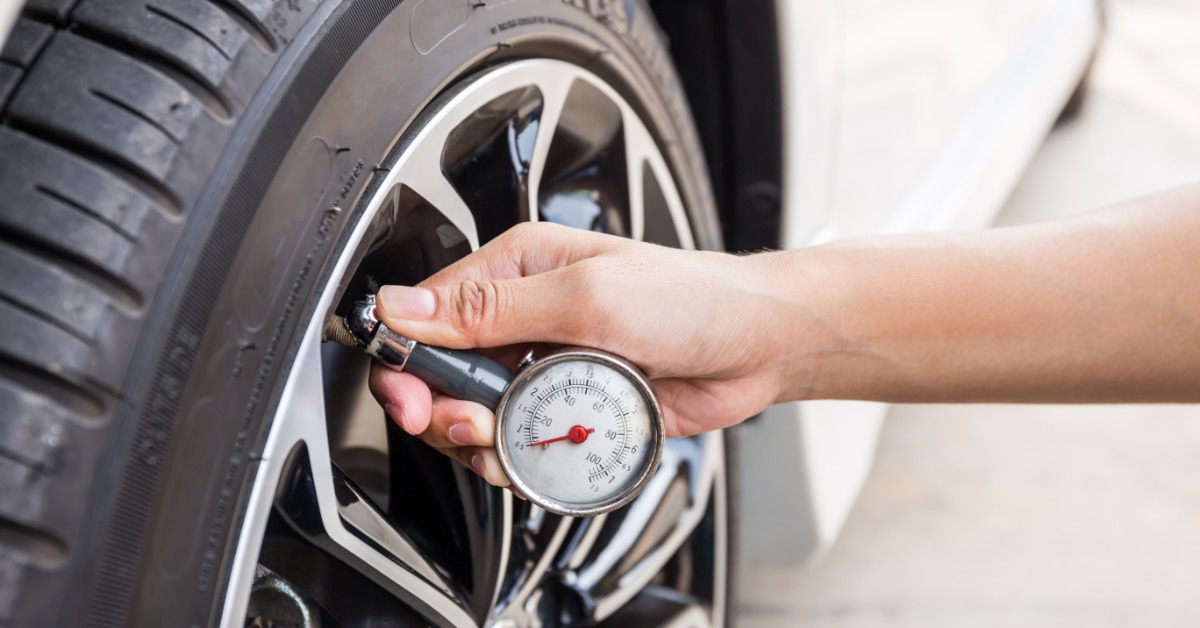
Drivers can find recommended tire pressure levels in the owner’s manual or on the driver-side door placard. These specifications include separate values for front and rear tires based on vehicle design. Following these guidelines ensures the tires perform as intended under normal conditions. Ignoring them can lead to poor efficiency and uneven wear.
Professional technicians also provide guidance based on driving habits and local conditions. Visiting a trusted tire shop offers access to expert recommendations and accurate pressure checks. Technicians can identify issues that drivers may overlook during routine maintenance. Regular inspections help maintain peak tire performance year-round.
Maintaining correct tire pressure improves fuel efficiency by reducing rolling resistance. Properly inflated tires require less energy to move, which saves money at the pump. Balanced pressure between front and rear tires also ensures even tread wear. This consistency extends the lifespan of all four tires.
Drivers who prioritize tire pressure also experience better ride comfort and handling. Vehicles respond more predictably during turns, braking, and acceleration. Routine maintenance reduces the likelihood of sudden tire failure or blowouts. Investing time in proper tire care delivers long-term safety and performance benefits.
Understanding the difference between front and rear tire pressure empowers drivers to take control of their vehicle’s performance. Each tire plays a unique role, and proper inflation supports that function effectively.
Consistent attention to tire pressure ensures safer driving and longer-lasting tires. Drivers who follow manufacturer recommendations protect both their investment and their safety on the road.
Accurate tire pressure management does not require advanced tools or expertise, yet it delivers significant benefits. Regular checks and adjustments keep the vehicle operating at its best. If you need help with maintaining your tire pressure, come to RNR Tire Express.
Our tire shop in Clovis has experts who can help you maintain your tires and find the best replacements when the time comes. Visit us today to find the best tires at affordable payment options.
By signing up you agree to our Privacy Policy.