Tires
|
May 30, 2019
Seasonal weather changes can affect how your vehicle feels on the road. Many drivers don’t realize how much tire design influences control, especially once temperatures begin to drop. Understanding the differences between all-season and winter tires helps you choose the right setup before conditions become challenging. At RNR Tire Express, helping drivers make informed tire decisions is part of our goal to serve the community the right way.
The build of all-season tires delivers steady, everyday reliability. Manufacturers design them to perform consistently across dry pavement, light rain, and moderate temperature shifts without requiring seasonal changeovers. For many drivers, that versatility makes them a convenient, year-round solution.
These tires feature a balanced tread design that enhances stability during commuting. Their construction emphasizes predictable road contact rather than extreme-condition performance. The goal is dependable handling across a broad range of normal driving environments.
Because they are general-purpose by design, all-season tires work best in climates without prolonged snow or ice. They prioritize adaptability rather than specialization.

Winter tires are purpose-built for cold-weather driving. Unlike all-season options, they perform in sustained low temperatures, where road conditions include snow and ice. Their design focuses entirely on maintaining grip when the environment turns harsh.
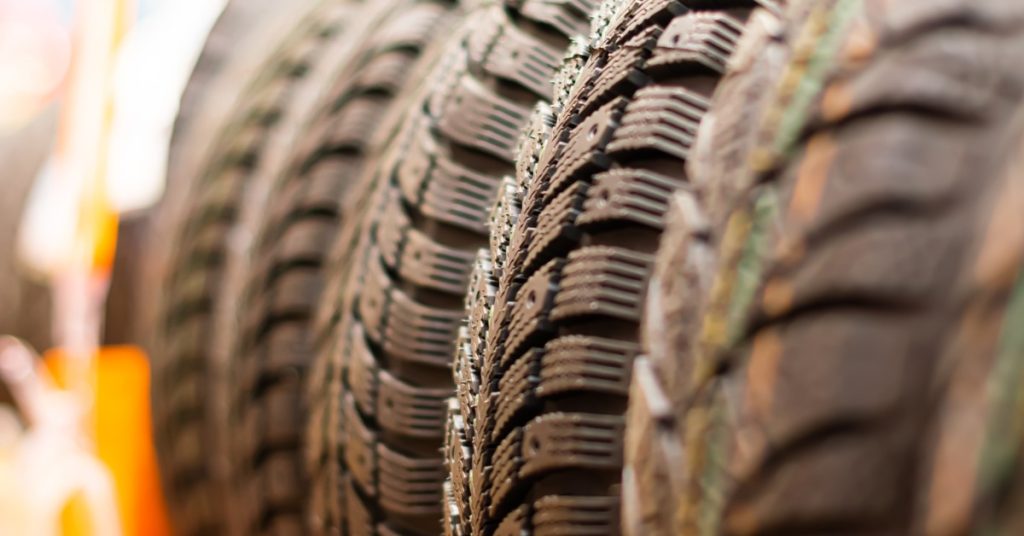
These tires use cold-weather rubber formulations that stay flexible in freezing air. That flexibility allows the tire surface to adapt more effectively to slick or uneven terrain. The tread features are also arranged to interact more aggressively with packed snow.
Drivers should install winter tires seasonally rather than use them year-round. Their strengths appear when cold conditions are consistent rather than occasional.
Temperature is the key dividing line between these two tire types. When average daily temperatures dip below 45 degrees Fahrenheit, tire rubber begins reacting differently. All-season compounds gradually stiffen in colder air, which can affect how the tire interacts with the pavement.
Winter tires are engineered to maintain elasticity in freezing conditions. That continued flexibility allows the tire to preserve more surface engagement when roads are cold. Even in the absence of snow, temperature alone can influence tire behavior.
In warmer weather, the situation reverses. Winter tires may feel less stable on hot pavement because their softer rubber does not handle heat exposure effectively. Selecting the right tire for the season protects both performance and durability.
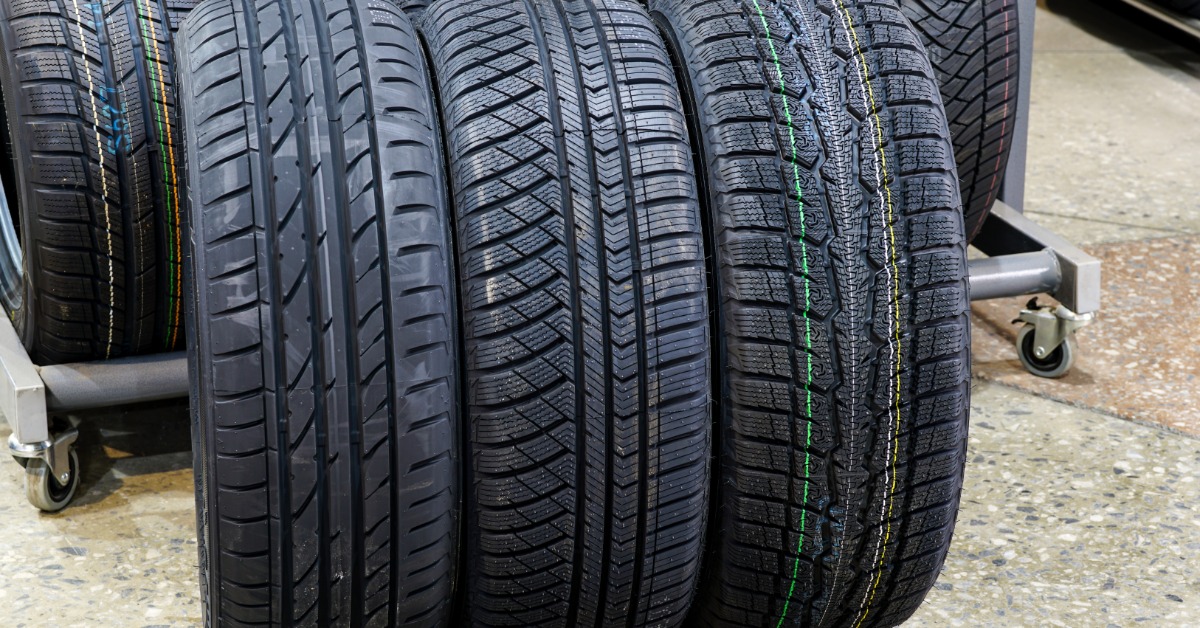
Traction characteristics shift depending on road surfaces. Engineers optimize all-season tires for dry and wet pavement, where stability during braking and cornering is essential. The tread patterns disperse water efficiently while maintaining firm contact with the road.
The configuration of winter tires interacts with snow-packed and icy surfaces differently. The tire’s tread layout enhances its grip on compressed snow and its ability to navigate slippery intersections. As a result, handling becomes more consistent in wintry conditions.
Handling feel can also vary. In cold weather, winter tires typically provide smoother engagement with slick roads, while all-season tires feel more precise on clear pavement. Understanding these performance differences helps drivers anticipate how their vehicle will respond.
Drivers shopping for tires in Jackson, TN, and across the Gulf Coast may experience milder winters overall, but cold fronts and occasional freezes still create real driving challenges. Understanding how each tire performs in changing temperatures helps drivers decide whether all-season reliability or dedicated winter traction makes the most sense for their conditions.
One of the most noticeable differences appears during sudden stops. In icy conditions, winter tires generally provide stronger braking grip, helping reduce sliding. That additional control can make routine driving feel more secure when roads are unpredictable.
Acceleration from a stop is another area where drivers feel the contrast. Winter tires are better equipped to manage low-traction starts, especially on untreated roads. All-season tires may require more caution when surfaces are slick.
Steering response also changes with seasonal conditions. Tires that maintain better flexibility in cold weather tend to deliver more consistent directional control, which supports driver confidence during winter travel.
Longevity depends largely on how each tire is used. All-season tires are for extended operation throughout the year. When driven within moderate temperature ranges, they wear gradually and evenly.
Winter tires are for a shorter operational window. Using them during warm months can accelerate tread wear. Limiting winter tires to colder seasons helps preserve their intended lifespan.
Proper maintenance supports even wear regardless of tire type. Matching the tire to the season is one of the most effective ways to protect tread integrity over time.
All-season tires require a single purchase for year-round use, which appeals to drivers seeking simplicity. The versatility of these tires can reduce the need for storage or seasonal changeovers. For many, this makes them a straightforward financial choice.
Winter tires involve purchasing an additional set if used seasonally. While that increases initial cost, alternating between two sets can distribute mileage more evenly. Over time, this rotation may extend the usable life of both.
Budget flexibility also plays a role in decision-making. RNR Tire Express offers payment options tailored to different financial situations, making it easier for drivers to choose the plan that best fits their needs.
Choosing between these options depends on how and where you drive. Consider how often you encounter freezing mornings or snowfall that lingers for days. Climate consistency matters more than isolated weather events.
Evaluate your driving routine as well. Rural routes and frequent highway travel may influence which tire supports your comfort level. The right decision aligns with your real-world conditions, not just occasional forecasts.
If you use winter tires, timing is important. Installation should happen once average temperatures consistently fall below that 45 degrees Fahrenheit window. Waiting until after the first freeze can reduce early-season traction.
Switching back in the spring is equally important. Once temperatures remain above that same threshold, reinstalling all-season tires helps protect winter tread from premature wear. Planning ahead keeps your vehicle prepared for changing conditions.
Understanding the full scope of the differences between all-season and winter tires helps drivers to approach seasonal changes with confidence. At RNR Tire Express, our focus is on helping drivers select the right tire for their vehicle and local conditions. With us, every season feels manageable behind the wheel.
By signing up you agree to our Privacy Policy.