Tires
|
May 30, 2019
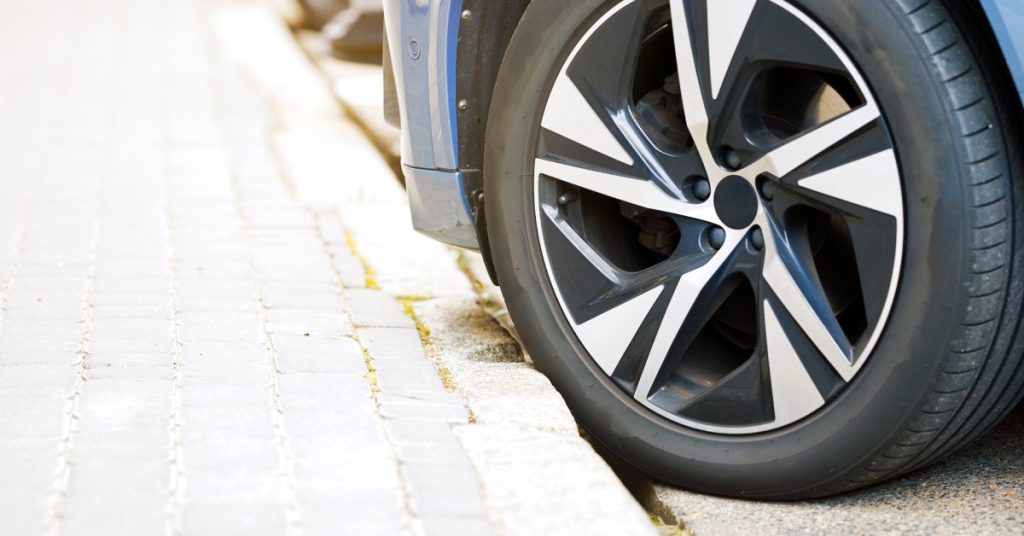
Whether you’re navigating sandy beaches, rocky trails, or snowy roads, understanding how to air down your tires properly can transform your driving experience. This comprehensive guide will walk you through everything you need to know about reducing tire pressure for optimal traction and performance.
Airing down tires involves deliberately lowering your tire pressure below the manufacturer’s recommended PSI to increase the tire’s contact patch with the ground. This technique enhances traction, improves ride comfort, and helps prevent damage to both your vehicle and the terrain you’re traversing. Follow this guide to air down your tires properly and do it safely.
Airing down refers to releasing air from your tires to reduce internal pressure. When you lower tire pressure, the tire becomes more flexible, creating a larger contact area with the ground. This increased “footprint” provides better traction and flotation on soft surfaces such as sand, snow, or mud.
The concept works on a simple principle: lower pressure allows the tire to conform better to surface irregularities. Instead of riding on top of obstacles, the tire can wrap around rocks, settle into sand, or grip uneven terrain more effectively. This flexibility translates directly into improved control and reduced risk of getting stuck.
Understanding when to air down your tires is crucial for both safety and effectiveness. The technique proves most beneficial in specific driving conditions where standard tire pressure becomes a hindrance rather than a help.
Sand driving represents one of the most common scenarios for airing down. Standard tire pressure causes tires to dig into soft sand, creating resistance and potentially getting your vehicle stuck. Reduced pressure allows tires to “float” on the sand surface, distributing weight more evenly and maintaining forward momentum.
Winter driving benefits significantly from lower tire pressure. The increased contact patch provides better grip on slippery surfaces, while the tire’s ability to conform to the road surface improves traction. This technique works particularly well for unplowed roads or when navigating through deep snow.
Off-road enthusiasts regularly air down when tackling rocky trails. Lower pressure allows tires to wrap around rocks and obstacles, reducing the likelihood of punctures while improving grip on uneven surfaces. The enhanced flexibility also provides a more comfortable ride over rough terrain.
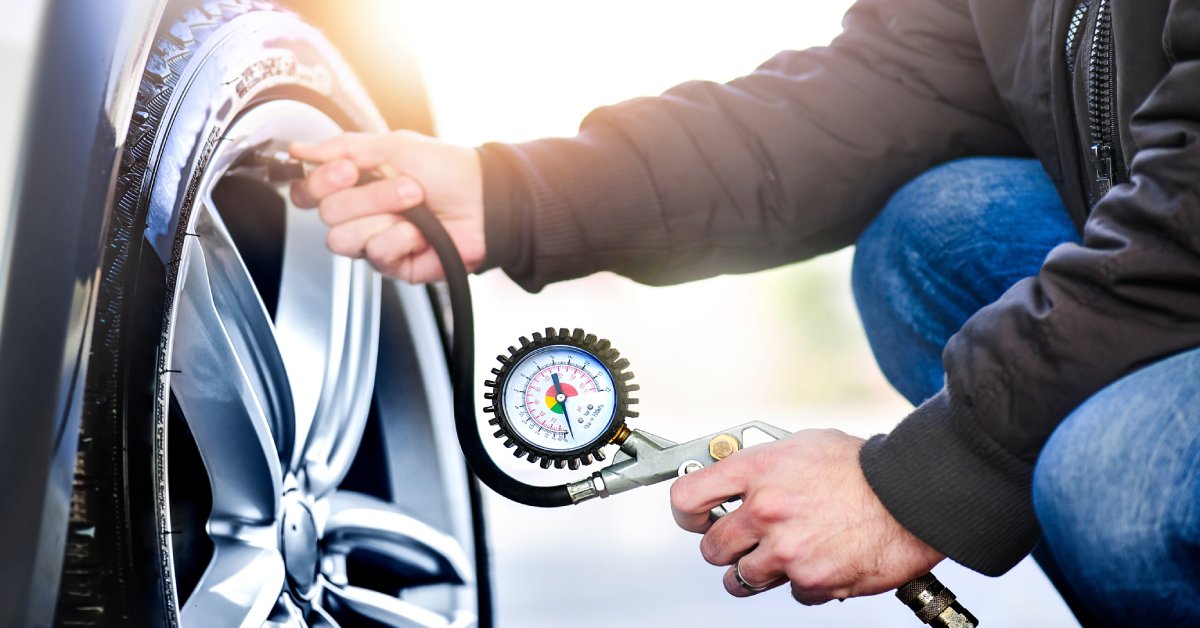
Properly airing down your tires requires the right tools, technique, and attention to safety. Follow these steps to ensure effective and safe tire deflation.
Before beginning, gather the necessary equipment. You’ll need a reliable tire pressure gauge, a method for releasing air (such as a tire deflator or simple valve core tool), and most importantly, a way to reinflate your tires when finished. Portable air compressors designed for automotive use provide the most practical solution for tire reinflation.
Consider investing in automatic tire deflators, which allow you to set a target pressure and let the device work while you prepare other equipment. These tools save time and ensure consistency across all four tires.
Start by checking your current tire pressure using your gauge. Record these numbers for reference when reinflating. Begin deflating one tire at a time, checking pressure frequently to avoid over-deflation. Most situations call for pressure reductions of 10–15 PSI from standard levels, though specific requirements vary based on conditions and vehicle type.
Work systematically around your vehicle, ensuring even pressure reduction across all tires. Uneven pressure can cause handling problems and increased tire wear, so consistency matters more than achieving a specific target number.
Different terrains require different pressure adjustments. For sand driving, reducing to 15–20 PSI often provides optimal performance for most vehicles. Snow conditions typically work well with pressures around 20–25 PSI, while rocky terrain might only require a reduction to 25–28 PSI.
These numbers serve as starting points rather than absolute rules. Your vehicle’s weight, tire size, and specific conditions will influence the ideal pressure for your situation.
Airing down tires involves important safety considerations that every driver must understand before attempting this technique.
Reducing tire pressure significantly limits your safe driving speed. Lower pressure generates more heat through increased tire flex, and excessive speed can cause tire damage or failure. Generally, keep speeds under 35 mph when running reduced pressure, with even lower limits for very low pressures.
Plan your route accordingly, avoiding high-speed roads when possible. The benefits of airing down disappear on paved highways, where standard pressure provides optimal performance and safety.
Never drive extended distances on aired-down tires, especially on paved roads. The increased rolling resistance and heat buildup can damage tires permanently. Always carry reliable inflation equipment and plan reinflation stops before returning to normal driving conditions.
Modern portable compressors can reinflate most passenger vehicle tires in 5–10 minutes, making the process manageable even in remote locations. Consider compressors with automatic shut-off features to prevent over-inflation.
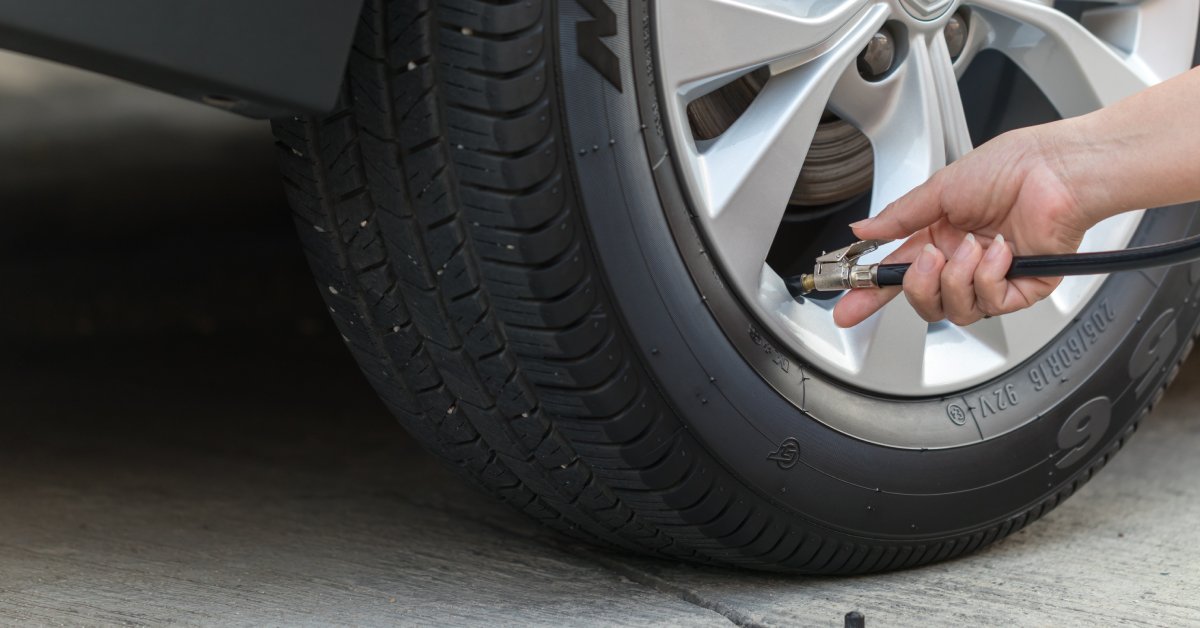
Heavier vehicles require different approaches to airing down. Additional weight increases the risk of tire damage at low pressures, so heavily loaded vehicles should use more conservative pressure reductions. Empty vehicles can typically run lower pressures safely than fully loaded ones.
Several common errors can turn airing down from a helpful technique into a dangerous situation.
Reducing pressure too dramatically increases the risk of tire bead separation, where the tire separates from the wheel rim. This dangerous condition can cause sudden tire failure and loss of vehicle control. Start with modest pressure reductions and increase gradually based on performance needs.
Worn or damaged tires respond poorly to pressure reduction. Inspect your tires carefully before airing down, looking for cuts, bulges, or excessive wear. Compromised tires are more likely to fail under the stress of low tire pressure.
Some drivers forget to reinflate their tires after leaving challenging terrain. Driving on paved roads with low tire pressure causes rapid tire wear, poor fuel economy, and potential tire failure. Make reinflation a mandatory part of your off-road routine.
Success with airing down depends heavily on having the right equipment readily available.
A high-quality tire pressure gauge is essential for safe and effective airing down. Digital gauges typically offer greater accuracy and easier reading than analog gauges, especially in challenging conditions.
While you can release air using the valve stem directly, dedicated deflation tools make the process faster and more controlled. Automatic deflators let you set target pressures and continue working while your tires deflate.
Portable air compressors designed for automotive use provide the most practical solution for reinflation. Look for models that can achieve 35+ PSI and include automatic shut-off features. Consider power requirements and ensure your vehicle can support the compressor’s electrical needs.
Properly airing down your tires opens up new possibilities for your vehicle while improving safety and performance in challenging conditions. Start with modest pressure reductions and gradually build experience as you learn how your specific vehicle responds.
If you’re looking for tires in Corpus Christi, visit RNR Tire Express. Our team can help you find the right tires for your vehicle and offers a variety of payment options so that you can leave with your best choices, no matter your budget. Visit us today.
By signing up you agree to our Privacy Policy.