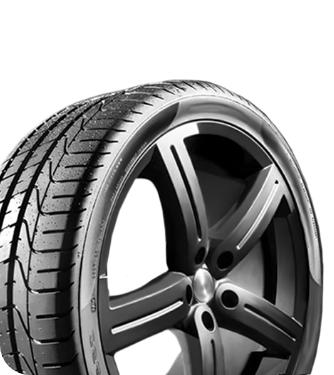
Wheels
|
Jul 1, 2019
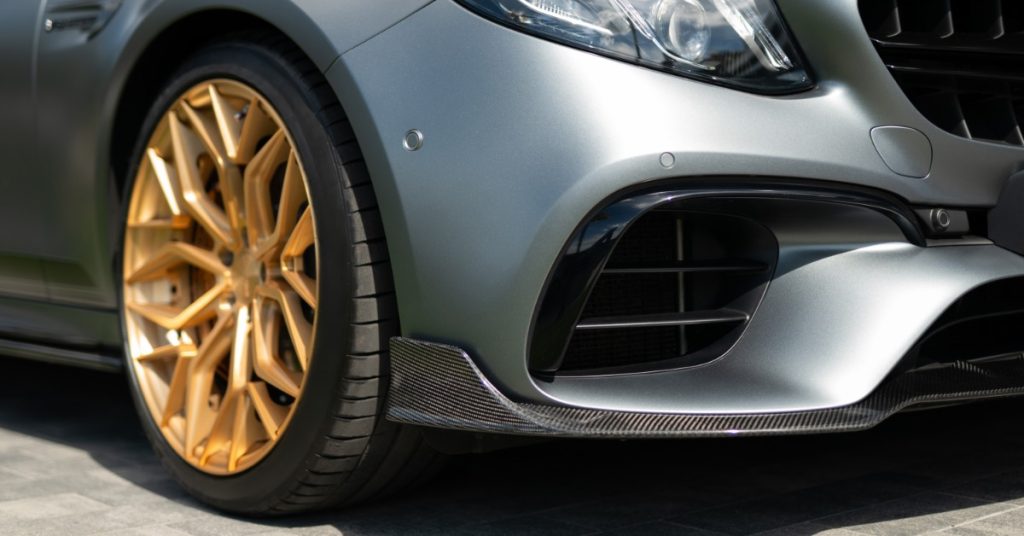
Custom wheels can give a vehicle a distinctive look, but appearance shouldn’t drive the entire purchase. A wheel also must match the vehicle’s dimensions, support its weight, clear nearby components, and work with the tires you plan to use. A poor match can create fitment trouble, affect ride quality, or lead to extra expenses after the purchase.
A little preparation can help you shop with more confidence. Understanding the things to check before buying custom wheels can help you choose a design that also fits your vehicle properly.
Every vehicle has specific requirements for the wheels that fit it. Wheel diameter gets plenty of attention because it affects appearance, but several other measurements matter just as much.
Your owner’s manual may provide some basic wheel and tire specifications. You can also check the information for your current setup. For more precise fitment information, a tire and wheel professional can confirm which sizes work with your year, make, model, and trim.
Avoid assuming that a wheel will fit because it has the same diameter as your current wheels. Two wheels can share the same diameter yet have different widths, bolt patterns, offsets, or load capacities.
Wheel diameter and width affect which tire sizes can mount to the wheel. A larger-diameter wheel generally requires a tire with a shorter sidewall if you want to maintain a similar overall tire diameter. Changes that go too far from the original dimensions may affect clearance and vehicle behavior.
Drivers shopping for custom wheels and tires in Jackson, TN, should consider the wheel and tire as one complete package instead of two separate purchases. The right pairing can help preserve proper clearance and provide the appearance you want without creating avoidable fitment trouble.
Another thing to check before buying custom wheels is the bolt pattern. The bolt pattern describes both the number of wheel studs or bolt holes and the diameter of the circle they form. A wheel must match the vehicle’s bolt pattern.
For example, two five-lug wheels may look compatible at first glance, yet the spacing between the mounting points can differ. That difference means one wheel may fit and the other may not.
Don’t rely on appearance to determine compatibility. Confirm the exact bolt pattern before you purchase a wheel set.
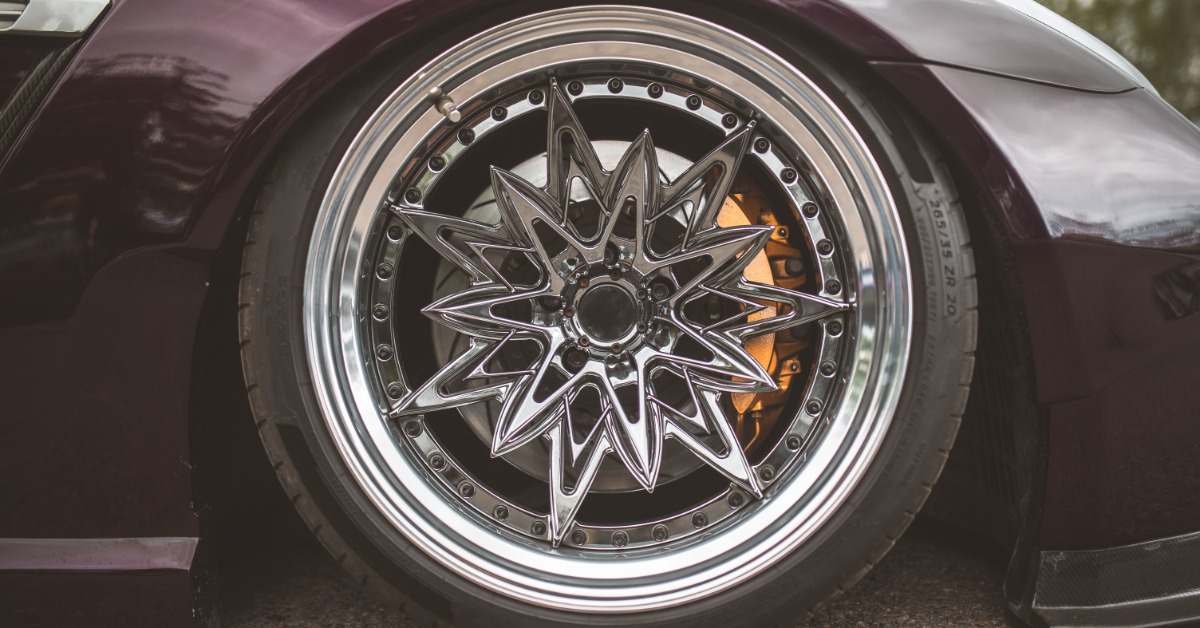
Offset describes the position of the wheel’s mounting surface in relation to its centerline. This measurement affects how far inward or outward the wheel sits after installation.
A different offset can change the wheel’s position enough to create clearance concerns. A wheel that sits too far inward may come close to suspension components. A wheel too far outward may extend beyond the fender or contact the body during turns or suspension movement.
Custom wheel shoppers sometimes focus on achieving a wider stance. That look still must stay within the vehicle’s practical fitment range. Proper offset can help create the desired appearance without introducing unnecessary clearance problems.
Backspacing measures the distance between the wheel’s mounting surface and its rear edge. It relates closely to offset and provides another way to understand where the wheel will sit.
This measurement becomes especially useful when clearance is tight. A professional can compare wheel dimensions against available space near suspension and brake components before installation.
A wheel can have the correct diameter and bolt pattern but still interfere with other components. Brake calipers are one common concern, especially on vehicles with larger brake systems.
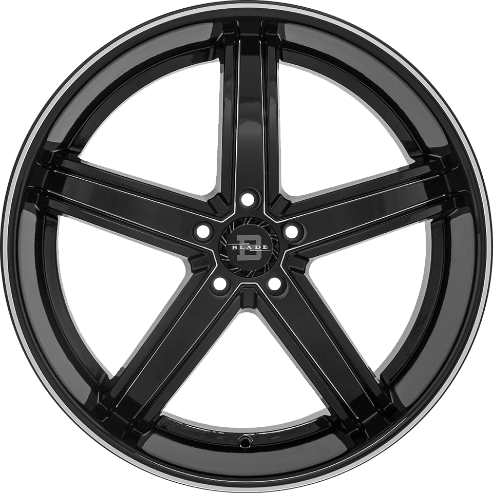
Wheel spoke design also affects brake clearance. Two wheels with identical basic measurements may have different spoke shapes, and one design may provide more room behind the face than another.
Suspension clearance matters as well. Components can move as the vehicle travels over bumps or turns through corners. Fitment must account for real road conditions rather than how the wheel looks when the vehicle sits still.
Custom wheels must support the weight of the vehicle. Manufacturers assign load ratings that indicate how much weight a wheel can carry.
Choose wheels with ratings that meet the requirements of your vehicle. This consideration deserves particular attention with heavier SUVs, trucks, or vehicles that regularly carry substantial cargo.
A dramatic wheel design can look great in photos, but your daily driving habits should influence the final choice. Before you buy, think about:
A vehicle that spends most of its time on city streets may call for a different setup than one that covers long highway distances.
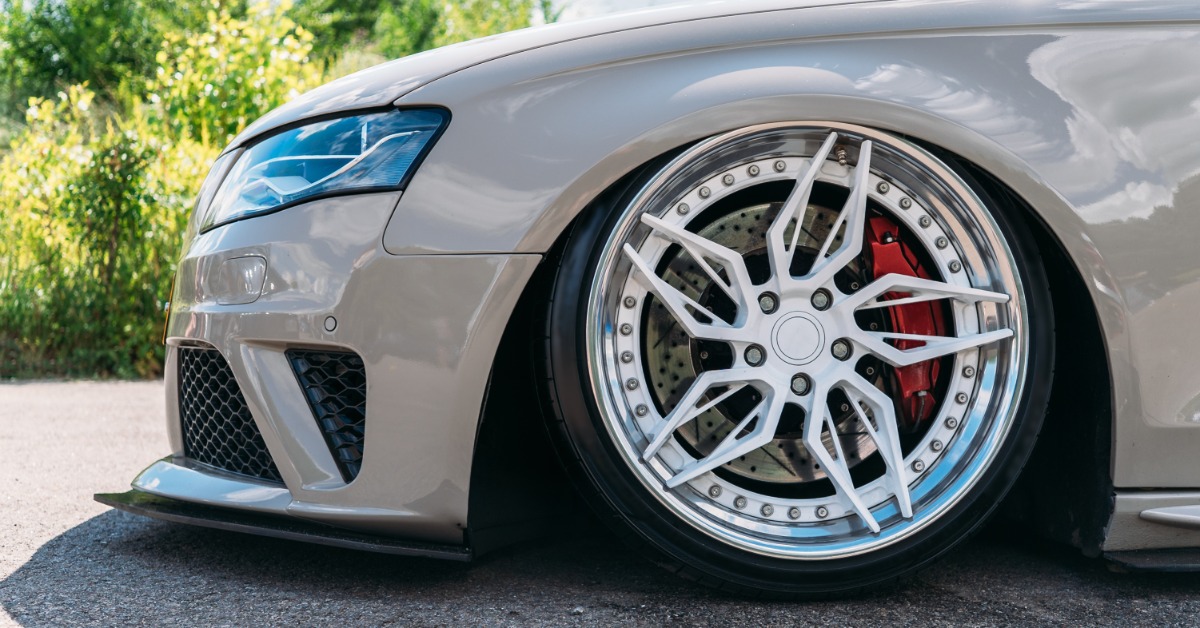
Many aftermarket wheels use aluminum alloy because it offers a strong combination of appearance, weight, and design flexibility. Steel wheels also exist, although they typically provide fewer custom styling choices.
Construction methods vary among wheel models as well. Cast wheels remain common across the aftermarket, and other manufacturing methods can create different combinations of weight, strength, and price.
There isn’t one construction type that suits every driver. Vehicle requirements, style preferences, and budget all influence the decision. Focus first on proper specifications, then compare designs within those limits.
Finish has a major effect on the personality of a custom wheel. Gloss black, machined, chrome-style, and other finishes can create very different appearances on the same vehicle.
Maintenance requirements may also vary. Road grime, brake dust, moisture, and debris can collect on wheel surfaces during normal use. Some intricate designs can take more effort to clean because dirt settles into narrow spaces.
Consider how much upkeep you want before settling on a finish. A design that matches your taste and maintenance preferences can remain more satisfying after the excitement of installation wears off.
Don’t choose custom wheels and leave tire selection until the last minute. The two components must work together.
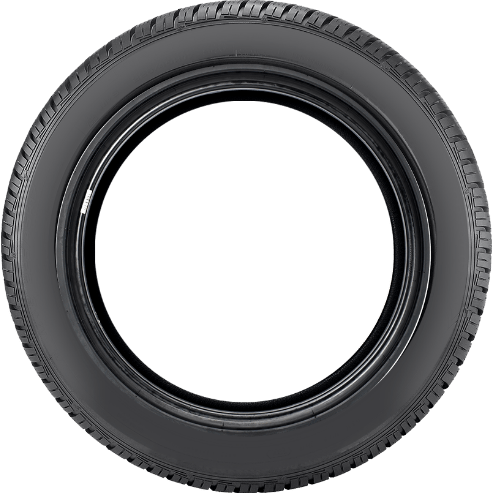
Tire size affects sidewall height, overall diameter, clearance, and ride characteristics. Tire availability can also vary by size, so checking your options before purchasing the wheels can prevent complications later.
This is also a good time to consider your budget for the complete package. RNR Tire Express offers tires and custom wheels with flexible payment options, which can help customers choose a setup based on both fitment and budget.
Custom wheels can transform a vehicle’s appearance, but the best purchase starts with more than style. Diameter, width, bolt pattern, offset, clearance, load rating, and tire compatibility all influence how a wheel fits and performs on the vehicle.
Take time to check those specifications before committing to a set. If you want help comparing custom wheels, tire sizes, and compatible packages, visit RNR Tire Express. Our team can help you explore options that complement your vehicle and fit the look you have in mind.
By signing up you agree to our Privacy Policy.