Tires
|
May 30, 2019
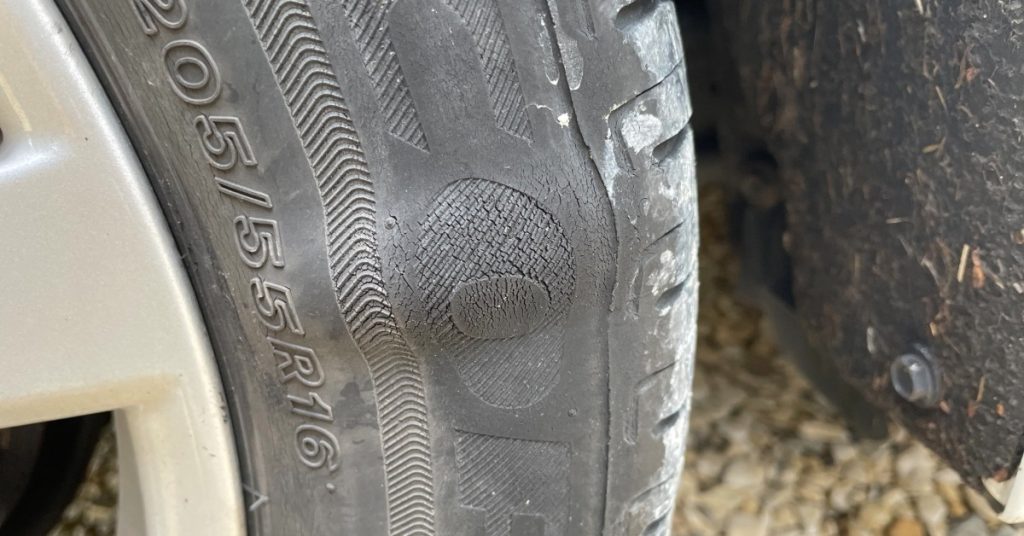
Tire bulges often appear without warning, yet they signal a serious problem that drivers cannot ignore. This visible swelling on a tire’s sidewall points to internal damage that weakens the entire structure.
Even with the tire’s misshapen appearance, many drivers continue driving without realizing the immediate risk, increasing the likelihood of a dangerous blowout. Understanding what causes tire bulges and why they’re dangerous helps drivers make safer, more informed decisions on the road.
A tire bulge forms when the tire’s internal structure weakens, allowing air pressure to push outward. This visible swelling usually appears on the sidewall and signals serious internal damage. Drivers often overlook this issue until it worsens, which increases the risk of sudden failure.
Healthy tires maintain a consistent shape because their internal layers support air pressure evenly. When those layers break or separate, the outer rubber stretches beyond its intended limits. This change weakens the tire’s integrity and reduces its ability to handle road stress. Drivers who notice any unusual swelling should act quickly to avoid dangerous outcomes.
Road hazards are the most common cause of tire bulges. Potholes, curbs, and debris can deliver sharp impacts that damage internal tire cords. Even a single hard hit can weaken the structure enough to create a bulge. Drivers often encounter these hazards daily without realizing the long-term damage they cause.
Improper driving habits also contribute to tire bulges over time. Aggressive cornering, sudden braking, and high-speed impacts increase stress on the sidewalls. Tires absorb repeated strain until their internal layers begin to fail. Consistent care and smoother driving habits help significantly reduce this risk.
Tires rely on layers of fabric, steel belts, and rubber to maintain strength and flexibility. These components work together to distribute pressure and support vehicle weight evenly. When any layer breaks, the tire loses its structural balance. Air pressure then pushes outward at the weakest point, forming a bulge.
Manufacturing defects rarely cause tire bulges, but they can occur in isolated cases. Quality control standards reduce this risk, especially with trusted brands available at RNR Tire Express. However, external damage still remains the primary cause in most situations. Drivers should regularly inspect tires, regardless of brand or age.
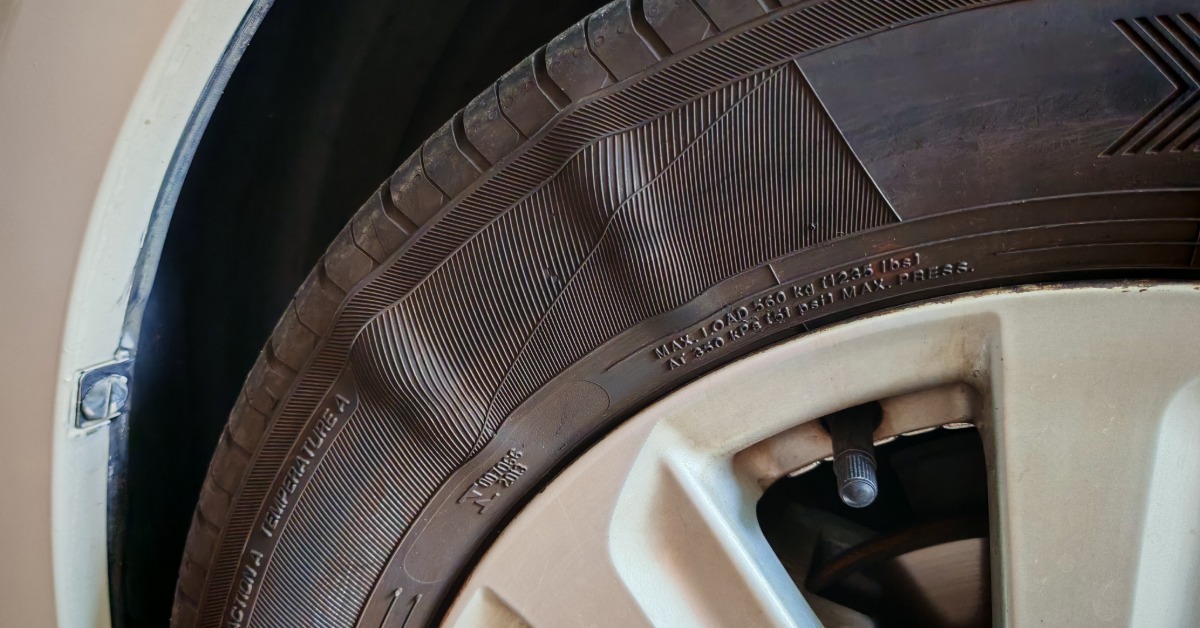
A tire bulge signals a high risk of blowout, especially at highway speeds. The weakened area cannot handle normal driving pressure and may fail without warning. This sudden failure can lead to loss of control and serious accidents. Drivers must treat bulges as urgent safety concerns rather than minor cosmetic issues.
Heat buildup worsens the danger associated with tire bulges. As the tire rotates, friction increases temperature and weakens the damaged area further. This combination accelerates the chance of rupture during everyday driving. Immediate replacement provides the safest solution once a bulge appears.
Drivers often notice subtle signs before identifying a visible bulge. Vibrations while driving can indicate uneven tire structure or internal damage. Steering instability may also develop as the tire loses balance. These early symptoms should prompt a thorough inspection.
Visual checks remain the most reliable way to confirm a bulge. Look for swelling, bubbles, or uneven surfaces along the sidewall. Any irregularity suggests compromised structural integrity. Drivers should never ignore these signs, even if the vehicle still feels stable.
Certain driving conditions significantly increase the likelihood of tire bulges. Urban roads with frequent potholes create constant impact risks. Construction zones also expose tires to sharp debris and uneven surfaces. Drivers who travel these routes regularly should inspect their tires more often.
Weather conditions can also contribute to tire stress and damage. Extreme temperatures affect tire pressure and flexibility, increasing vulnerability to impacts. Cold weather stiffens rubber, while heat expands air pressure inside the tire. These factors make regular maintenance even more important for long-term safety.
Preventing tire bulges requires consistent attention and smart driving habits. Routine inspections help identify early damage before it becomes severe. Maintaining proper tire pressure ensures the structure handles stress evenly. Drivers who stay proactive reduce the likelihood of unexpected issues.
Simple habits can make a significant difference in tire longevity and safety:
Following these steps helps protect your investment and keeps your vehicle safe on the road. Drivers who stay consistent with maintenance often avoid costly repairs and replacements.
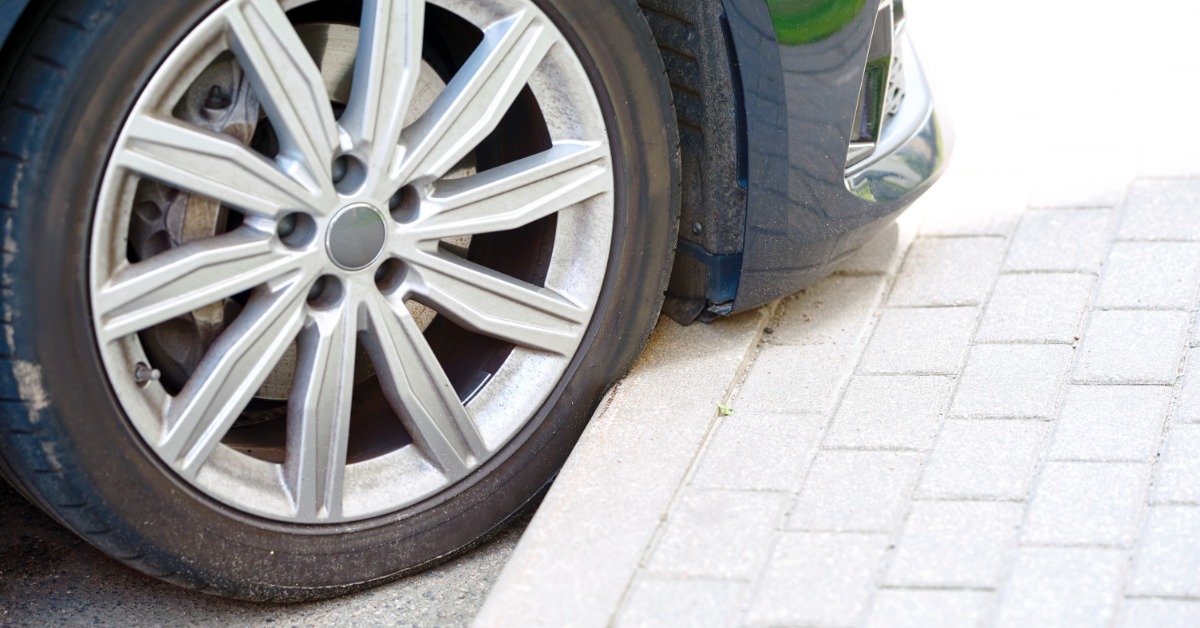
A tire with a bulge cannot be repaired safely under any circumstances. The internal damage affects structural integrity in a way that patches cannot fix. Continuing to drive on a damaged tire increases the risk of sudden failure. Replacement remains the only responsible and safe option.
RNR Tire Express provides reliable solutions for drivers who need immediate tire replacement. With access to quality brand-name options and convenient payment options, drivers can address safety concerns without delay. Customers searching for tires in McAllen can find expert support and dependable service. Quick action ensures both safety and peace of mind.
Professional inspections provide a deeper level of evaluation than visual checks alone. Technicians can identify internal damage that drivers might miss during routine inspections. This expertise helps prevent dangerous situations before they develop. Regular visits to RNR Tire Express ensure your tires remain in optimal condition.
Drivers benefit from expert guidance when choosing replacement tires or addressing damage. Professional recommendations take into account driving habits, road conditions, and vehicle type. This personalized approach improves performance and extends tire life. Investing in professional care leads to safer and more reliable driving experiences.
Understanding the cause and danger of Tire bulges helps drivers avoid dangerous situations on the road. Ignoring this issue can lead to severe consequences, including blowouts and accidents. Drivers who act quickly protect themselves, their passengers, and others on the road. Awareness and action make all the difference when dealing with tire damage.
RNR Tire Express stands ready to help drivers stay safe with expert tire services and quality products. From inspections to replacements, every service focuses on reliability and performance. Drivers who prioritize tire health enjoy longer-lasting results. Take action today and ensure your tires support every mile with confidence.
By signing up you agree to our Privacy Policy.