Tires
|
May 30, 2019
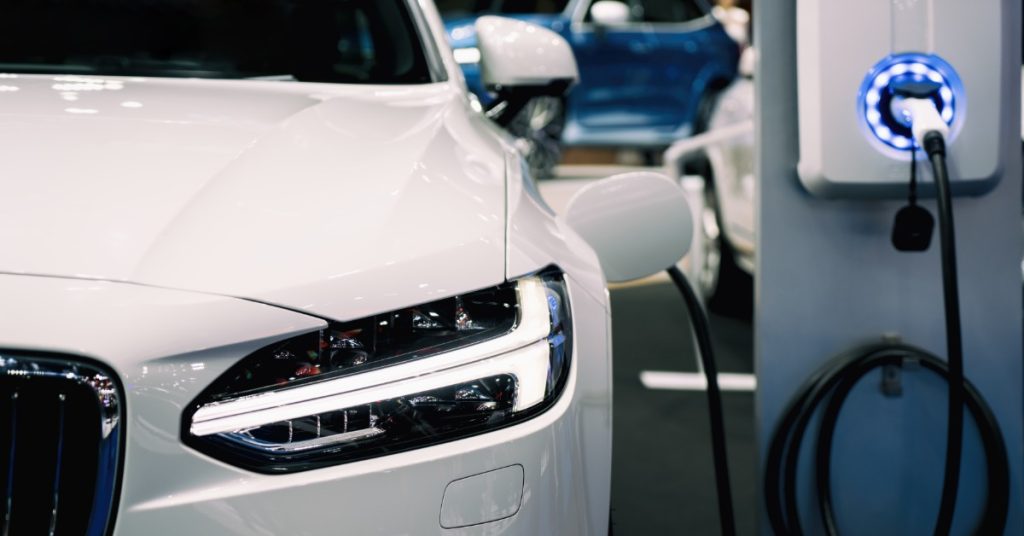
Electric vehicles have transformed the driving experience with smooth acceleration and near-silent operation. That quiet performance changes how drivers perceive road noise, especially from tires.
Tire noise becomes far more noticeable because electric powertrains do not mask it as traditional engines do. Understanding the basics of tire noise considerations for electric vehicles helps drivers choose the best tires for a quieter ride.
Electric vehicles operate with minimal mechanical noise, shifting attention to external noise sources. Tires generate most of the sound drivers hear inside the cabin at moderate and high speeds.
Engineers design EVs with sound insulation, but tire noise still enters through the contact patch with the road. Drivers often notice humming, droning, or whirring sounds that vary with speed and pavement type.
The absence of engine noise creates a new expectation for comfort and quietness. Tire selection plays a critical role in meeting that expectation. Poor tire choices can make even premium electric vehicles feel loud on the road. Choosing the right tire reduces fatigue and improves overall driving satisfaction.
Tire manufacturers design tread patterns and internal construction to manage sound. Tread blocks compress and release air as they contact the road, producing noise. Smaller and more varied tread blocks reduce the intensity of these sound waves. Engineers also use staggered patterns to break up consistent noise frequencies.
Rubber compounds also influence how vibrations travel through the tire. Softer compounds absorb more vibration and reduce noise levels. Internal foam layers in some EV-specific tires further dampen sound before it reaches the cabin. These design elements work together to create a quieter driving experience.
Road surface texture plays a major role in how much noise tires produce. Smooth asphalt creates less friction noise than rough concrete surfaces. Grooved or worn pavement increases vibration and amplifies sound levels. Drivers often notice sudden changes in noise when transitioning between different road types.
Electric vehicle drivers should pay close attention to where they drive most often. Urban environments with smoother roads tend to produce less tire noise. Highways with coarse surfaces can significantly increase sound. Tire choice should align with typical driving conditions to minimize unwanted noise.

Electric vehicles carry heavier battery packs, which increase overall vehicle weight. That extra weight places more pressure on tires and changes how they interact with the road. Heavier loads can increase rolling resistance and amplify noise levels. Tire manufacturers account for this by reinforcing tire structures and optimizing tread designs.
Electric motors also deliver instant torque, which affects tire wear and sound generation. Rapid acceleration can create additional stress on tread blocks and increase noise over time. Tires designed specifically for EVs handle these forces more effectively. Proper tire selection ensures durability and consistent noise control.
Drivers should focus on specific tire features that reduce noise and improve comfort. Many modern tires incorporate advanced technologies to reduce noise without sacrificing performance. Understanding these features helps drivers make informed purchasing decisions.
These features work together to create a quieter and more refined driving experience. Tire manufacturers continue to innovate in this area as electric vehicles gain popularity. Choosing a tire with these characteristics can significantly improve ride quality.
Seasonal tires also affect noise levels in electric vehicles. Summer tires often produce less noise due to their simpler tread patterns and firmer compounds. Winter tires include deeper grooves and softer rubber, which can increase sound levels on dry roads. All-season tires offer a balance between performance and noise control.
Drivers should consider climate and driving habits when selecting seasonal tires. Using winter tires in warm conditions can create unnecessary noise and reduce efficiency. Switching to the appropriate tire for each season ensures optimal performance and comfort. Seasonal awareness helps maintain a quieter ride year-round.
Proper tire maintenance plays a crucial role in controlling noise levels. Uneven wear patterns can create vibrations that increase sound. Regular tire rotations help maintain even tread wear and consistent performance. Drivers should also monitor tire pressure to ensure optimal contact with the road.
Underinflated or overinflated tires can both increase noise and reduce efficiency. Balanced tires prevent vibrations that contribute to cabin noise. Alignment checks also ensure that tires wear evenly and operate smoothly. Consistent maintenance keeps noise levels low and extends tire life.
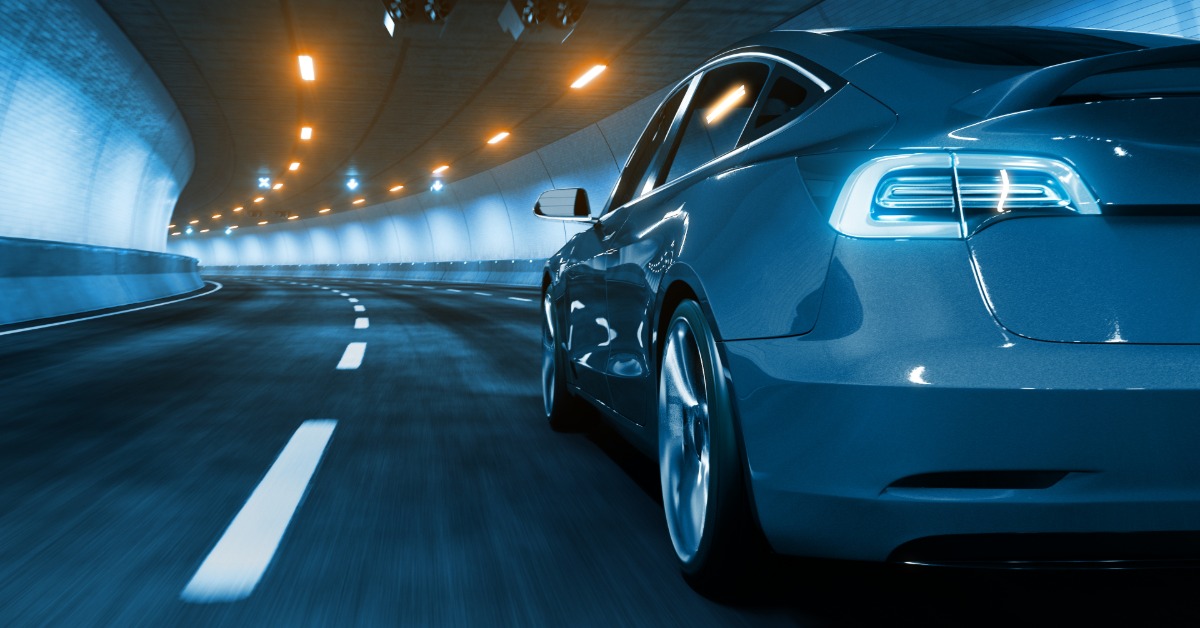
EV-specific tires differ from standard tires in several important ways. Manufacturers design them to handle higher weight and torque while minimizing noise. These tires often include specialized compounds and internal sound-dampening materials. Standard tires may not provide the same level of quiet performance.
Drivers who install standard tires on electric vehicles may notice increased road noise. EV-specific options deliver better comfort and efficiency. Many automakers recommend tires designed specifically for electric models. Following those recommendations ensures optimal performance and noise control.
Selecting the right tire provider ensures access to high-quality options and expert guidance. A professional tire shop can recommend products that match specific vehicle requirements and driving habits.
Drivers searching for a reliable tire shop in McAllen can find support for EV-specific tire needs and maintenance services at RNR Tire Express. Our professional installation and balancing ensure optimal performance and reduced noise. Working with a trusted tire shop like RNR Tire Express plays a key role in maximizing the benefits of electric vehicle ownership.
Tire noise stands out as a major factor in the overall driving experience of electric vehicles. The quiet nature of EVs highlights every detail of road interaction, especially sound. Drivers who understand the components of tire selection can significantly reduce unwanted noise. Smart tire choices enhance long-term satisfaction and make each journey more comfortable.
Electric vehicle owners should prioritize tires designed for low noise and high performance. Regular maintenance and proper seasonal selection further improve results. Investing in the right tires ensures a smoother and quieter journey. A well-informed approach to tire selection transforms the EV driving experience into something truly refined. Visit RNR Tire Express today to learn more about your electric vehicle tire options.
By signing up you agree to our Privacy Policy.