Maintenance
|
Jul 23, 2019
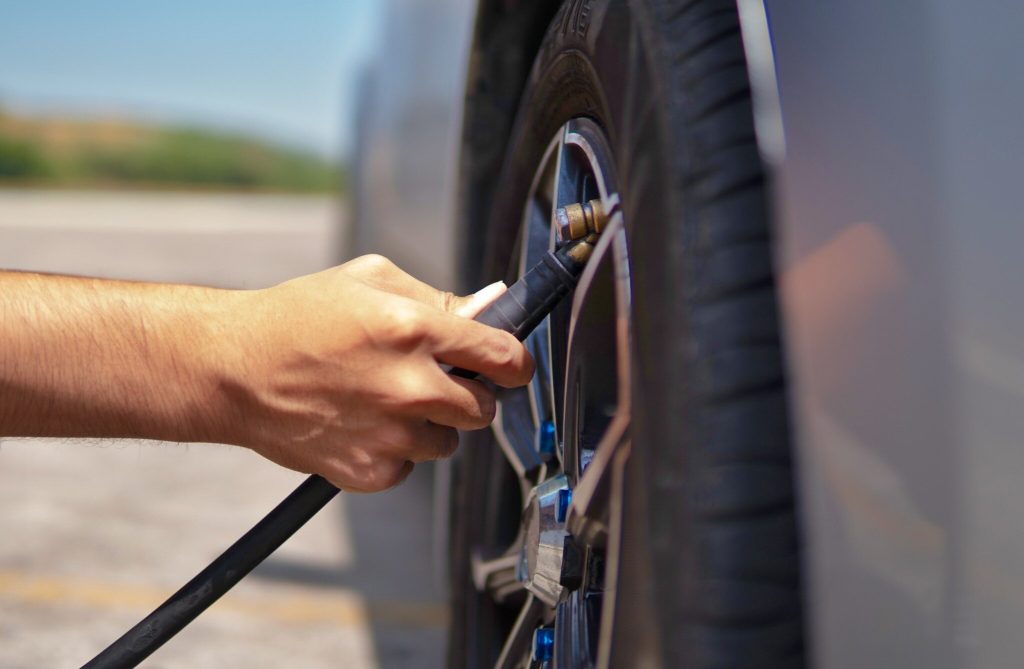
How Tire Pressure Affects Fuel Use
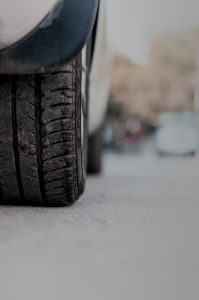
Every tire creates rolling resistance as it moves across the pavement. When a tire is underinflated, more of its surface flexes and contacts the road. That added resistance requires the engine to use more energy to maintain speed.
The effect may seem small on one trip, but it can add up over weeks and months. The U.S. Department of Energy reports that keeping tires inflated to the proper pressure can improve gas mileage by 0.6% on average and by as much as 3% in some cases.
Proper inflation does not create extra fuel efficiency beyond what the vehicle was designed to deliver. It helps prevent the efficiency loss caused by underinflated tires.
The Other Costs of Low Tire Pressure
Fuel is only part of the picture. Underinflation can also create excessive heat and uneven tread wear, potentially shortening the life of your tires. It may make steering feel less responsive and affect the vehicle’s stability, especially during sudden maneuvers.
Keeping tire pressure at the recommended level can help:
Overinflation is not the answer. Adding more air than recommended can reduce ride comfort, change how the tire contacts the road, and contribute to uneven wear. The goal is the vehicle manufacturer’s specified pressure.
Where to Find the Correct PSI
The recommended tire pressure is usually listed on a label inside the driver’s door or doorjamb. It may also appear in the owner’s manual.
Do not use the maximum pressure molded into the tire sidewall as your target. That number is the tire’s maximum permitted cold inflation pressure, not necessarily the correct setting for your vehicle.
Some vehicles call for different pressures in the front and rear tires, so check the label carefully.
Check Your Tires When They Are Cold
For the most accurate reading, check tire pressure when the tires are cold. This generally means the vehicle has been parked for at least three hours. Driving creates heat, and heat raises the pressure inside the tire.
Check all four tires at least once a month and before long trips. If your vehicle has a spare tire, include it in your routine. Tire pressure can change with outdoor temperatures, so seasonal weather shifts are another good reason to check.
Your tire pressure monitoring system is helpful, but it should not replace routine checks. The warning light may not appear until a tire is already significantly underinflated.
Make Tire Pressure Part of Your RNR Routine
Maintaining the correct tire pressure is one of the easiest vehicle-care habits to build. It takes only a few minutes and can help you get more value from every tank of fuel and every mile of tire life.
RNR Tire Express makes that routine easier with free air available at participating locations. Stop by your local RNR Tire Express to check your pressure, add air, or ask our team for help. We are here to help you get back on the road with confidence.
By signing up you agree to our Privacy Policy.