Maintenance
|
Jul 23, 2019

When you notice a problem with one of your tires, you need to make the right decision quickly. A small puncture may seem minor at first, but the wrong choice can affect your safety, your handling, and your long-term costs. That is why drivers should understand when repair makes sense and when replacement is the better path.
The good news is that you don’t have to throw away every damaged tire. In some cases, a proper repair can safely get you back on the road and help you avoid paying for a new tire before you truly need one. Keep reading to understand which option to choose for your vehicle: a tire repair or replacement.
Tire repair and tire replacement are not interchangeable services. A repair fixes a specific issue, such as a nail puncture in a repairable area, while replacement solves a bigger problem that could make the tire unsafe or unreliable. Making the right choice between the two matters because your tires directly affect braking, cornering, traction, and ride quality.
A tire that requires replacement can fail when you need it most. That can mean poor handling in rain, longer stopping distances, or a sudden loss of air pressure while driving. A tire that you can safely repair, on the other hand, may still have plenty of life left and can continue serving you well with the right professional attention.
A tire repair usually makes sense when the damage is small, limited, and located in the tread area. For example, a nail or screw puncturing the center portion of the tire may leave only a minor hole, which a trained technician can possibly patch and plug correctly from the inside.
This kind of repair works best when the tire still has good tread depth and has not been driven with severe underinflation. If the internal structure remains in good condition, a professional repair can restore the tire’s ability to hold air and perform as it should.
You should choose tire replacement as the ideal option over repair when the tire damage is too severe or located in an unsafe area. A professional can typically not repair damage to the sidewall or shoulder because those parts of the tire flex constantly and handle significant stress while you drive. Even if the hole looks small, that kind of damage can weaken the structure of the tire.
You should also replace a tire if it has a large puncture, multiple punctures, or visible signs of internal failure. Bulges, bubbles, deep cuts, exposed cords, or separated tread all point to serious structural problems. A replacement is also the right move when the tire is already worn down near the end of its useful life. Even if the puncture itself looks simple, there is little value in repairing a tire that you will need to replace soon anyway.
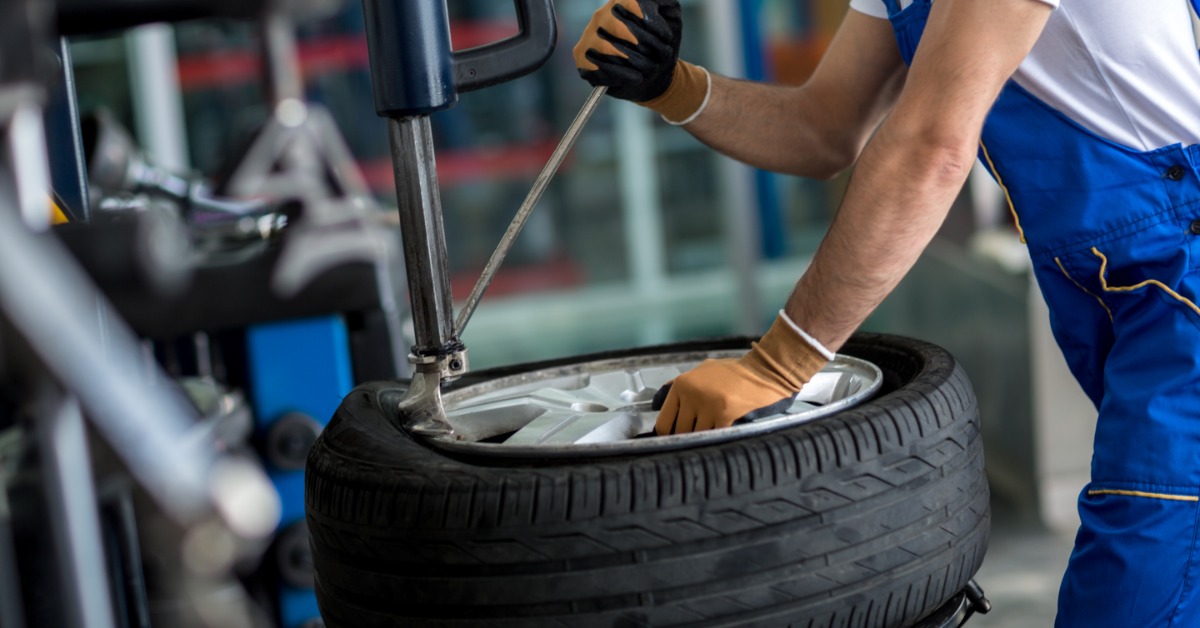
Tread depth plays a major part in deciding whether to repair or replace a tire. A tire with strong remaining tread may still be worth saving if the damage is moderate. A tire with low tread is a different story because it may already struggle to grip the road, especially in wet conditions.
As tread wears down, your vehicle loses traction and braking performance. That means a repaired tire with very little tread still leaves you with a performance problem, even if it no longer leaks air. The repair solves the puncture, but it does not solve the tire’s lack of grip.
Many drivers hope that they can fix any tire puncture, but sidewall damage is a major exception. The sidewall supports the tire as it flexes over bumps, turns, and changing road surfaces. Because of that movement, repairs in this area do not hold up the same way they do in the center tread.
A cut, puncture, or bulge in the sidewall can indicate that the tire’s construction has been compromised. Even if the tire still holds air for a while, it may be much more likely to fail under pressure. That makes replacement the responsible option.
It is easy to underestimate tire damage when you only see the outside. What looks like a small puncture may have caused internal harm, especially if you drove any distance after the tire lost pressure. A trained technician can remove the tire, inspect the inside, and look for signs that the casing has been weakened.
That inspection also helps uncover other issues that may have contributed to the problem. Uneven wear can point to alignment trouble. Repeated damage may suggest that the tire is the wrong fit for your driving needs. A professional can help you understand whether you need a repair, a replacement, or a more elaborate solution.
Some drivers see replacement as the more expensive choice and stop there. In reality, replacing a damaged or worn tire can improve much more than air retention. A fresh tire can help restore traction, improve braking, reduce vibration, and support a smoother ride.
A new tire can also help protect the rest of your vehicle. Driving on a compromised tire can place extra stress on your suspension and create uneven contact with the road. That can cause additional wear and a less stable driving feel.
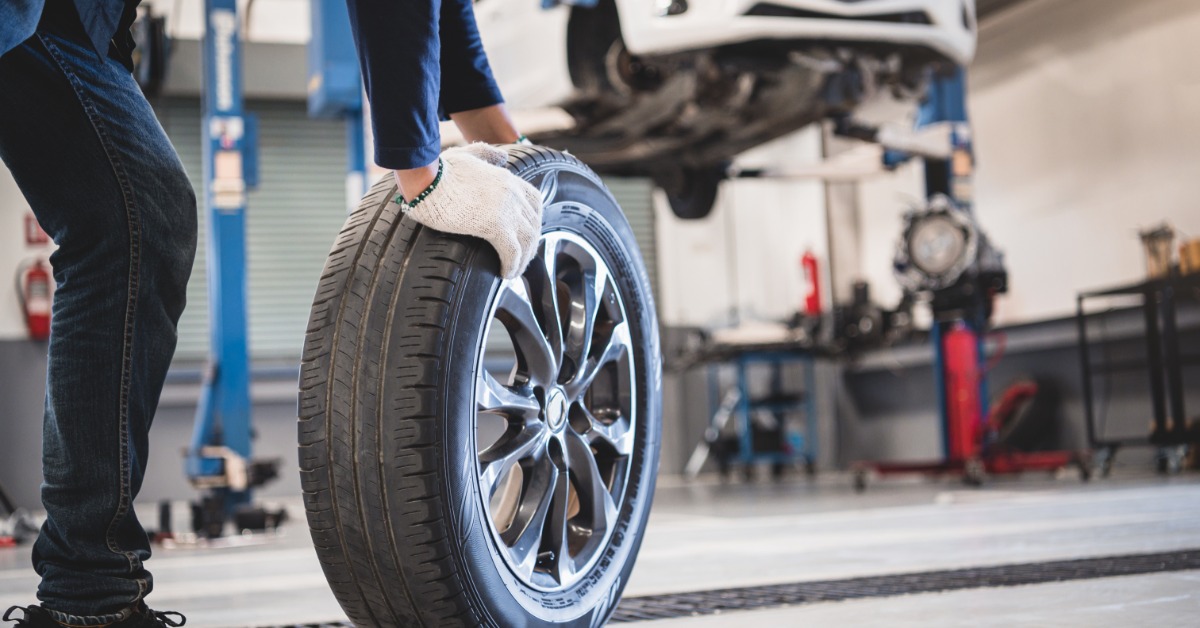
The best choice comes down to safety first, then value. If the damage is small, repairable, and the tire still has strong tread, a repair may be the smartest move. If the damage affects the sidewall, the structure, or a badly worn tire, replacement is the clear answer.
Drivers in Panama City also must think about daily driving conditions. Heat, wet roads, potholes, and regular commuting can all take a toll on tires. That makes it even more important to address tire problems correctly instead of delaying service or hoping the issue stays minor.
When it comes to tire repair vs. replacement, there is no one-size-fits-all answer. A safe repair can extend the life of a healthy tire, but replacement is the better choice when damage is too severe, the tread is too low, or the tire structure has been compromised. The key is getting an expert inspection and making the decision based on the tire’s full condition, not just the visible damage.
If you are dealing with a flat, a puncture, or signs of tire damage, visit RNR Tire Express’s tire shop in Panama City, FL, and let a trusted team help you decide on the safest option for your vehicle. If you have been searching for a dependable tire expert, we can inspect your tires, explain your options clearly, and help you get back on the road with confidence.
By signing up you agree to our Privacy Policy.