Tires
|
May 30, 2019
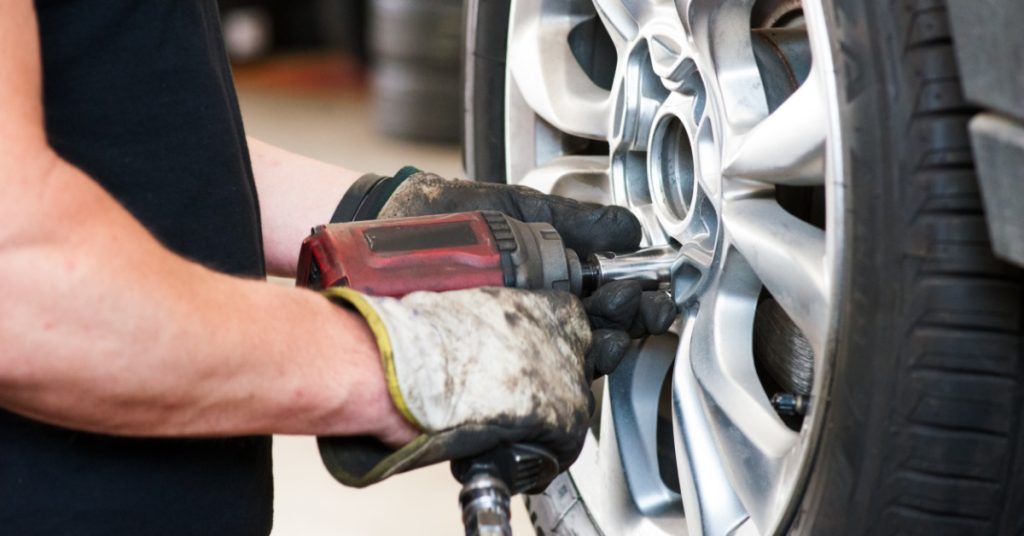
Tires don’t come with a universal expiration date measured in miles. Two drivers can buy the same model on the same day and need replacements at very different times. Road conditions, maintenance habits, and the tire’s age all influence how long it remains suitable for the road. Any driver can encounter hazards that change replacement plans overnight.
Understanding the timing factors for tire replacement helps Alabama drivers recognize trouble before a routine trip becomes a stressful one. If you notice unusual wear or changes in how your vehicle feels, ask RNR Tire Express for a professional tire inspection before the problem grows.
Tread grooves help tires move water away from the contact patch, where rubber meets pavement. As those grooves become shallower, a tire has less ability to manage water on wet roads. That matters during Alabama’s sudden downpours, particularly when standing water collects near intersections or highway exits.
Most passenger tires have small, raised bars across their tread grooves. Once the rubber becomes level with the bars, the tire has reached approximately 2/32 of an inch of tread depth and requires replacement. The National Highway Traffic Safety Administration identifies that depth as the minimum safety threshold, so drivers should replace their tires before they reach that point.
Measure several spots across each tire because one edge may wear faster than the center. Drivers who spend considerable time on wet highways may choose to replace tires before they reach the minimum, based on traction needs and professional advice.
The age of the tire itself is a key replacement timing factor that drivers must understand. Rubber changes over time as it encounters sunlight, heat, oxygen, and frequent temperature shifts. A low-mileage tire may look healthy from a distance yet deserve closer inspection because of its age.
Look for the Department of Transportation identification number on a tire’s sidewall. The final four digits indicate its production week and year. For example, 2422 means the manufacturer made that tire during the twenty-fourth week of 2022.
Age recommendations vary by manufacturer. Some vehicle makers advise replacement around 6 years, and Michelin recommends having a professional inspect the tires every year after 5 years of service and replace a car’s tires every 10 years. Follow the guidance for your specific tires and vehicle rather than assuming every tire has the same lifespan.
A tire doesn’t need worn-out tread to become unsafe. A sharp road hazard, hard curb strike, or deep pothole can damage its structure long before its probable service life ends.
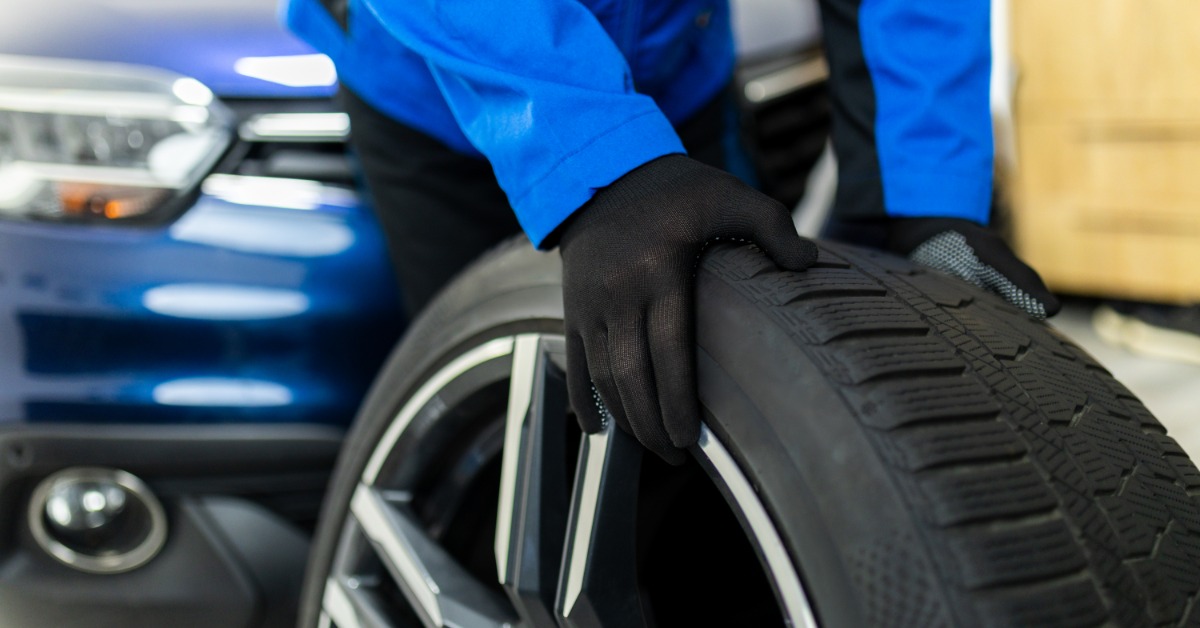
A bulge on the sidewall can indicate damage to the internal cords that support the tire. Deep cuts, exposed cords, and pronounced cracks also warrant immediate professional attention. Don’t continue normal driving on a tire with a bulge or other structural damage; arrange a safe inspection or roadside assistance.
Small punctures require a different decision. A qualified technician may be able to repair certain punctures within the tread area, provided the tire meets repair standards and has no additional damage. Sidewall punctures generally call for replacement, not a quick plug.
Daily routes help shape a tire’s lifespan. Long highway commutes accumulate miles quickly, and stop-and-go traffic places different demands on the tread.
Summer heat raises the stakes when a tire lacks adequate air pressure. Underinflation causes excessive flex, which generates additional heat inside the tire. Check pressure when tires are cold and use the vehicle manufacturer’s recommended specification, which you can typically find on the driver’s door jamb label.
Wet weather creates another reason to watch tread depth closely. A tire that feels predictable on dry pavement may struggle to evacuate water as the grooves wear down.
For drivers shopping for tires in Montgomery, seasonal weather and everyday travel patterns can help guide product selection. A tire professional can compare suitable options for your vehicle without assuming that every driver needs the same design.
Wear patterns can reveal vehicle problems that shorten tire life. If one side of the vehicle wears faster than the other, wheel alignment may need attention. A tire worn heavily through the center may have excessive inflation, although technicians should evaluate the complete pattern before identifying a cause.
Check tire pressure at least once a month and before a long trip. The dashboard pressure warning system provides helpful alerts, but it doesn’t replace manual checks. Regular rotation helps distribute wear among tires, subject to the vehicle and tire manufacturer’s instructions.
Alignment service addresses wheel angles that contribute to uneven wear or a vehicle that pulls to one side. Balancing can resolve certain vibrations, although persistent shaking needs a thorough diagnosis rather than an automatic tire purchase.
A technician should also inspect suspension components when unusual wear continues to return. Installing new tires without addressing the original cause may allow the same pattern to develop again.
Drivers sometimes notice a problem before they see one. New vibration, thumping sounds, or unusual steering behavior may point to tire damage or uneven wear. These symptoms can also come from wheels, suspension parts, or other vehicle systems, so a professional inspection matters.
If a tire suddenly loses pressure or the car vibrates severely, slow down carefully and pull over somewhere safe. Don’t keep driving to test whether the problem goes away. Roadside assistance may be the safest next step, especially if you suspect a damaged sidewall.
If rain seems to reduce your vehicle’s grip more than it once did, check tread depth and inflation pressure. No tire can eliminate the risks of standing water, but timely replacement can help maintain the traction your vehicle should provide.
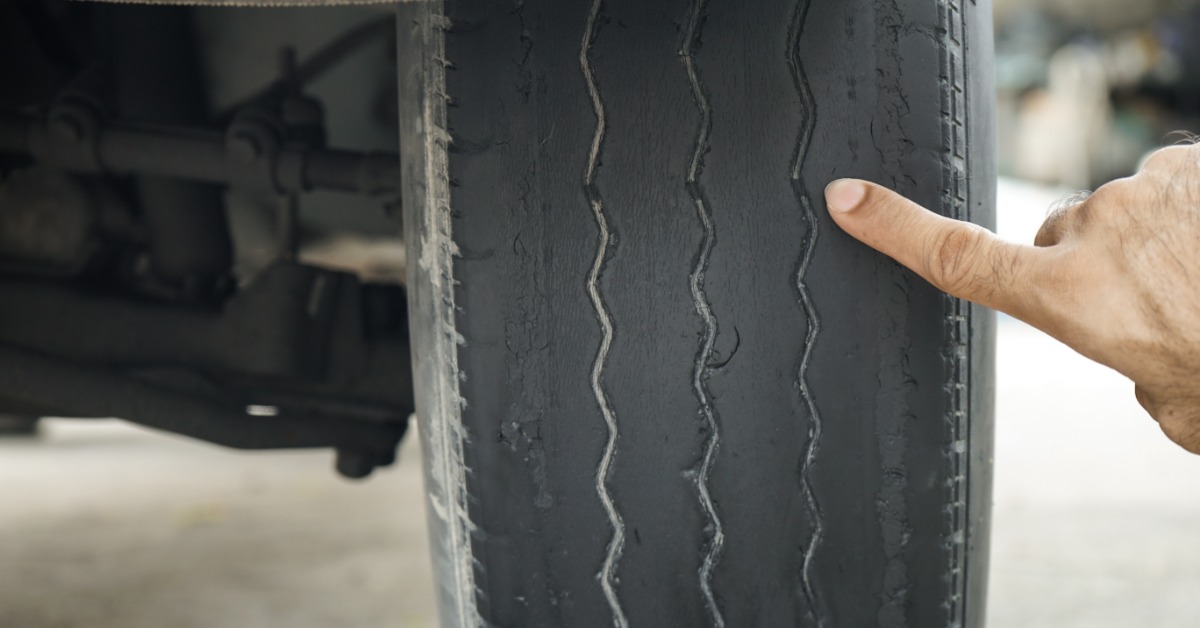
Replacing all four tires at once can help maintain consistent performance, but every situation deserves an assessment. Tire size, type, tread differences, and the vehicle’s drivetrain affect which replacement choices are suitable. All-wheel-drive vehicles may have particularly strict limits on differences in tire circumference, so follow the owner’s manual.
If you replace only two tires, tire manufacturers generally recommend placing the newer pair on the rear axle to support stability on wet pavement. Don’t assume the least-worn tires should always stay up front.
Tire replacement depends on the condition of the rubber, not just the miles on your dashboard. Check tread depth and pressure regularly, take new damage seriously, and review manufacturing dates as tires age. A professional can help distinguish a maintenance issue from a tire at the end of its useful service life.
When it’s time for a new set, visit RNR Tire Express to explore automotive tire choices and available payment options. Our team can help you choose tires that suit your vehicle and get back on Alabama roads with greater confidence.
By signing up you agree to our Privacy Policy.