Maintenance
|
Jul 23, 2019

Tires don’t usually demand much attention until a dashboard light appears, the ride feels rough, or a worn tread becomes hard to ignore. A little routine care can help drivers avoid expenses that add up faster than expected. Take care of your ride with rewarding results by learning the ways tire maintenance can save money over time.
Air pressure has a direct effect on how a tire meets the road. When pressure falls below the vehicle manufacturer’s recommendation, more of the tire may contact the pavement than intended. That added resistance can contribute to excess tread wear and force the vehicle to use more fuel.
Excess pressure presents another concern. An overinflated tire may place greater stress on the center section of its tread, so wear may become uneven over time. Drivers can avoid both extremes with regular pressure checks and adjustments based on the vehicle manufacturer’s specifications.
Temperature changes can affect tire pressure, too. A tire that had the correct pressure a few weeks ago may need attention after a major shift in outdoor temperature. Conducting a quick check gives drivers a chance to correct the pressure before excess wear has time to develop.
Tires don’t wear at exactly the same rate. The vehicle’s drivetrain, suspension setup, road conditions, and daily routes can place different demands on each tire. Front tires may also experience added stress from steering and other forces.
Regular tire rotations move tires to different positions on the vehicle. This practice can promote more even tread wear across the full set. Instead of one or two tires reaching their replacement point far ahead of the rest, the entire set has a better chance to wear at a more consistent pace.
That consistency can save money because drivers may get more useful miles from their tire purchase. It can also make replacement plans easier to anticipate. Rather than face an unexpected expense after one tire wears prematurely, a driver can prepare for a full set based on a more predictable service life.
Another big way tire maintenance can save money over time is by preventing alignment issues. A vehicle with poor alignment can put extra stress on certain sections of a tire. The inside or outside edge may lose tread much faster than the rest of the surface. In some cases, a tire with plenty of tread in one area may already need replacement because another section has worn too far.
That’s frustrating, especially when the tire could have delivered more miles under normal conditions. An alignment check can identify problems with wheel angles before uneven wear becomes severe. Drivers should also pay attention to changes in how the vehicle behaves. A car that pulls to one side, has an off-center steering wheel, or develops unusual tread patterns may need professional attention. Address the cause early, and you may avoid the cost of premature tire replacement.

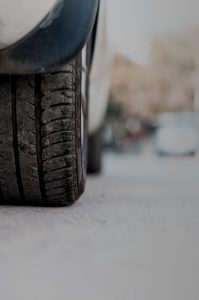
Not every tire problem announces itself from the driver’s seat. Small punctures, embedded objects, sidewall damage, and unusual tread wear may be much easier to spot during a visual inspection. A basic tire check doesn’t need to become a major project. Drivers can look over their tires during fuel stops, before longer trips, or as part of regular vehicle care. Areas worth attention include:
Early detection gives a tire professional a chance to assess the problem before conditions become worse. Some tread-area punctures may qualify for repair, depending on the location and extent of the damage. Waiting too long can leave replacement as the only practical option.
Fuel purchases may not seem connected to tire maintenance at first, but the tires affect how much resistance a vehicle must overcome on the road. Underinflated tires can increase rolling resistance. The engine then has to work harder to keep the vehicle in motion.
A small change at each fuel stop might not look dramatic. Over months of commuting, errands, school runs, and road trips, those extra fuel costs can accumulate. Proper tire pressure helps the vehicle operate as intended and keeps unnecessary resistance under control.
There’s another financial benefit here as well. Drivers don’t need expensive equipment to monitor pressure at home. A basic tire pressure gauge provides useful information in seconds, and many service shops can check pressure as part of routine tire care.
Maintenance doesn’t stop once a vehicle leaves the shop. The way someone drives can have a major effect on tire life. Hard acceleration, abrupt stops, and aggressive turns place added stress on the tread.
Road hazards deserve attention as well. Potholes and sharp impacts can damage tires or affect wheel alignment. Drivers can’t avoid every rough patch of pavement, but a little extra space between vehicles can provide more time to spot hazards and react safely.
Vehicle loads also deserve consideration. Excess weight places more demand on the tires, especially when the load exceeds manufacturer specifications. Follow the vehicle’s stated limits and tire recommendations.

Unexpected vehicle expenses can disrupt a household budget. Tire replacement becomes much easier to manage when drivers have some idea of when that expense may arrive. Routine tread checks provide a clearer picture of how much usable tire life remains. A driver who sees tread approaching its replacement point can start to plan rather than wait for an urgent situation. That extra time can help someone review tire choices and payment options without pressure from a sudden need.
Regular service visits can provide similar insight. A tire professional may notice wear patterns or damage that a driver missed at home. That information gives the driver more time to decide on the next step.
Drivers don’t need to obsess over their tires to protect the money invested in them. A regular routine can go a long way. When your tires need professional attention or the time has come for a new set, visit our tire shop in Baton Rouge, LA. The team can help you review your tire needs and get your vehicle ready for the road.
By signing up you agree to our Privacy Policy.