Tires
|
May 30, 2019
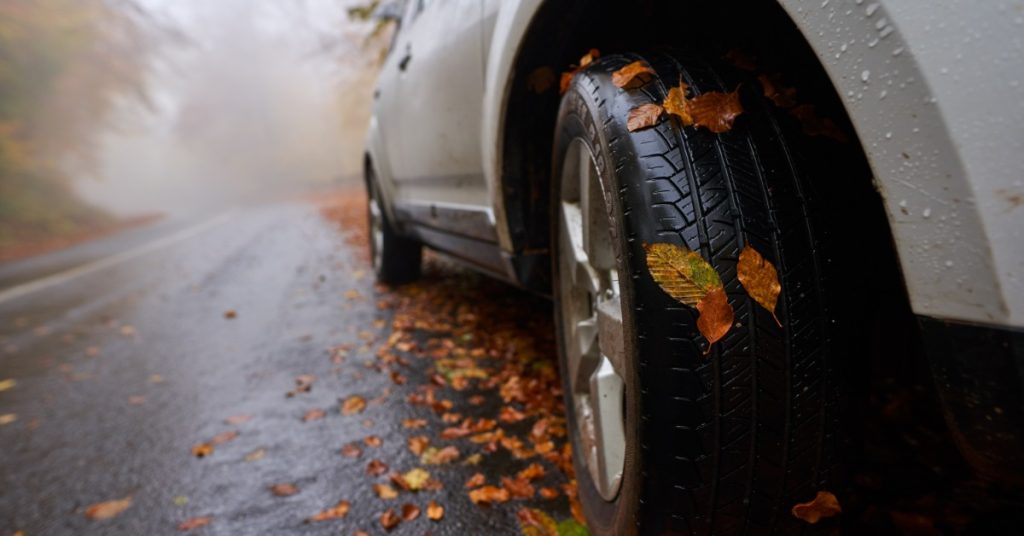
A car may feel composed on a straight road, but act very differently once the road bends. Tire pressure has a direct role in that behavior because it affects tire shape, road contact, and response to steering input. Even a modest pressure change alters how confidently a vehicle follows a curve. Let’s discuss the various ways tire pressure affects cornering stability so you can leverage predictable road manners and better control behind the wheel.
Every tire has a contact patch, the section of rubber that touches the pavement. Tire pressure helps determine the shape and size of that patch. Proper inflation allows the tire to maintain a balanced footprint under normal road loads. That balance helps the tire respond in a predictable way as the driver turns the wheel.
Pressure that’s too low can distort the tire’s shape. More of the tire may flex under the vehicle’s weight, especially as forces shift through a curve. Excess pressure creates a different problem because the tire can become too firm and place more load near the center of the tread. In either case, the tire may not react as the vehicle manufacturer intended.
Underinflated tires tend to flex more at the sidewalls. During a turn, that extra movement will delay the tire’s response to steering input. The driver turns the wheel, but the vehicle may feel less direct than expected. A soft or vague sensation can become more noticeable on highway ramps or long curves.
Picture a sedan that enters the same familiar exit ramp each day. At proper pressure, the car follows the curve with a steady, controlled feel. After one tire loses several pounds of air, the vehicle may seem less settled through that same section of road. The route hasn’t changed, but the tire’s response has.
Low pressure can also cause extra heat within the tire as the sidewall flexes. That adds another reason to address pressure loss rather than dismiss it as a minor inconvenience. If a tire repeatedly loses air, the cause deserves professional attention. Stop by your local tire shop in Ocean Springs for new tires when you’re ready for a fresh set.
More air isn’t a cure for low pressure. An overinflated tire may feel firm and responsive at first, but that sensation doesn’t always translate to better stability. Extra pressure reduces the tire’s ability to conform to small road imperfections. On rough pavement, the tire may skip or feel less planted.
That trait can become clear in a curve with patched asphalt, seams, or shallow bumps. A tire needs enough compliance to maintain steady contact with the surface. Too much pressure can reduce that flexibility and create a harsher response. The vehicle may feel nervous rather than composed.
Pressure doesn’t have to be extremely high or low to affect road manners. A difference from one side of the vehicle to the other can alter the way the car responds through a turn. One tire may flex more than its partner, so each side reacts differently under load.
That imbalance can produce a subtle pull, uneven response, or less confidence through curves. Drivers may notice the issue most on familiar roads because they already know how the vehicle usually feels. A car that suddenly requires extra correction deserves a closer look.
Front and rear tire pressures may also differ by design. For that reason, drivers shouldn’t assume every tire requires the same PSI. The vehicle manufacturer’s specifications provide the proper reference.
A driver’s sense of control comes from the relationship between steering input and vehicle reaction. Tire pressure affects that connection. Properly inflated tires tend to respond with a more consistent feel, allowing the driver to judge a curve with greater confidence.
Underinflation introduces delay because the sidewall has more flex. Overinflation will create a sharper initial response but less compliance over uneven pavement. Neither extreme provides the balanced behavior manufacturers account for in recommended pressure specifications.
Steering feel also gives drivers useful clues. Sudden changes in response can point toward pressure loss, tire damage, alignment trouble, or another tire-related concern. A pressure check offers a practical place to start.
Air pressure changes as temperatures rise and fall. A cold morning can leave tires with less pressure than they had during a warm afternoon. Seasonal changes produce an even more noticeable shift, especially after the first major temperature drop of fall.
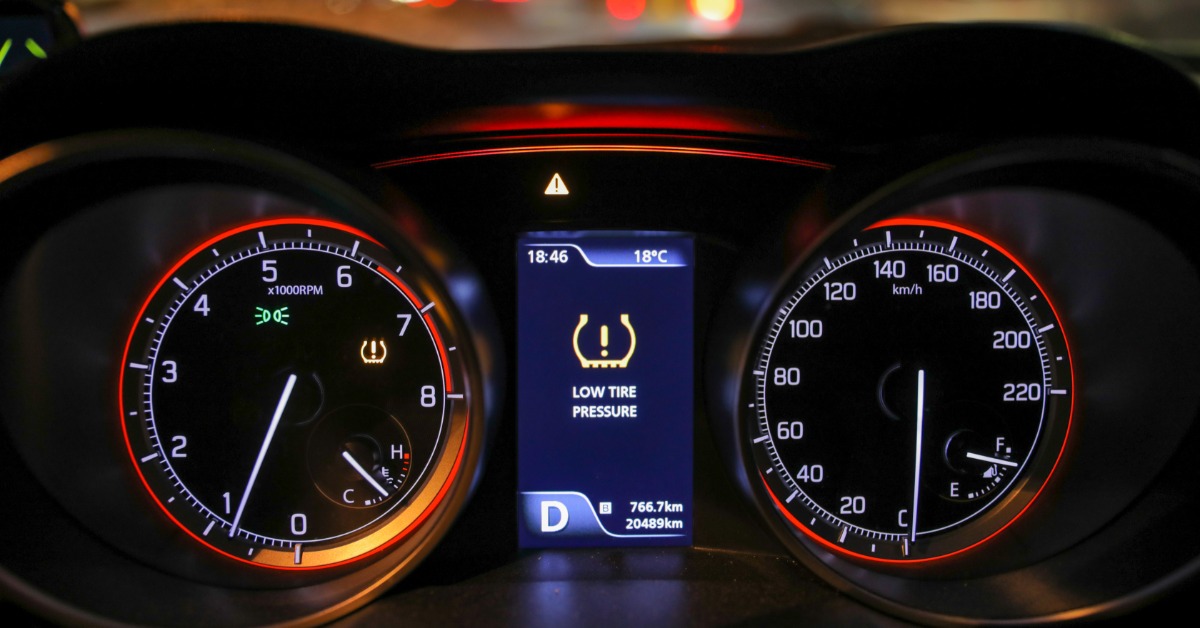
That change affects the vehicle’s feel through curves even though the tires look normal at a glance. Modern tire pressure monitoring systems can alert drivers when pressure drops beyond a set threshold, but drivers don’t need to wait for a dashboard light. A manual pressure check provides a more precise view. Check pressure when the tires are cold for a useful comparison with the manufacturer’s recommendation. Heat from road use raises pressure, so a reading taken after a long drive may not reflect the cold specification.

Extra cargo places more demand on the tires. The extra weight can change how the vehicle transfers load from side to side during a turn. Proper tire pressure becomes especially relevant when the car carries passengers, luggage, or other substantial cargo.
Drivers should consult the vehicle manufacturer’s guidance for load and pressure recommendations. Guesswork can lead to too much or too little air. The correct setup helps the tires support the vehicle as designed and keeps responses more consistent from one curve to the next.
Heavy cargo also exposes an existing pressure issue. A tire that felt acceptable during a light commute may feel softer once the vehicle carries more weight. Regular checks can catch that concern before a longer trip.
Correct pressure can’t compensate for worn tread or poor alignment. A tire may have the exact recommended PSI, but still provide weak traction if the tread has reached the end of its useful life. Cracks, bulges, punctures, and irregular wear also deserve attention.
Pressure checks work best as part of broader tire care. Drivers can inspect tread condition at the same time and look for visible signs of damage. If one tire shows unusual wear compared with the others, a professional inspection can help identify the cause.
Too little air can create a soft, delayed feel, and excess pressure leaves a tire too firm over imperfect pavement. Uneven pressure adds another layer of unpredictability from one side of the vehicle to the other. Remember these ways tire pressure affects cornering stability so you can immediately refine your vehicle performance and driving habits.
By signing up you agree to our Privacy Policy.