Safety Tips
|
Aug 9, 2019
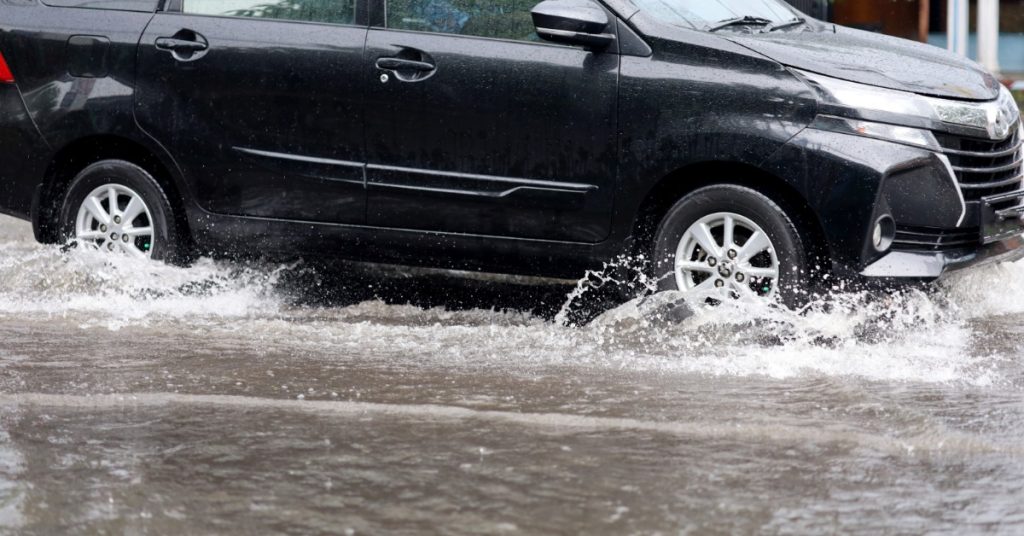
Hydroplaning rarely feels dramatic at first, which is part of what makes it so dangerous. A brief loss of traction can happen quickly and leave even careful drivers unsure of what to do next. Learning how to avoid and recover from hydroplaning starts with understanding how a vehicle responds when contact with the road begins to slip away. Better awareness in those moments can help wet-weather driving feel more controlled and less uncertain.
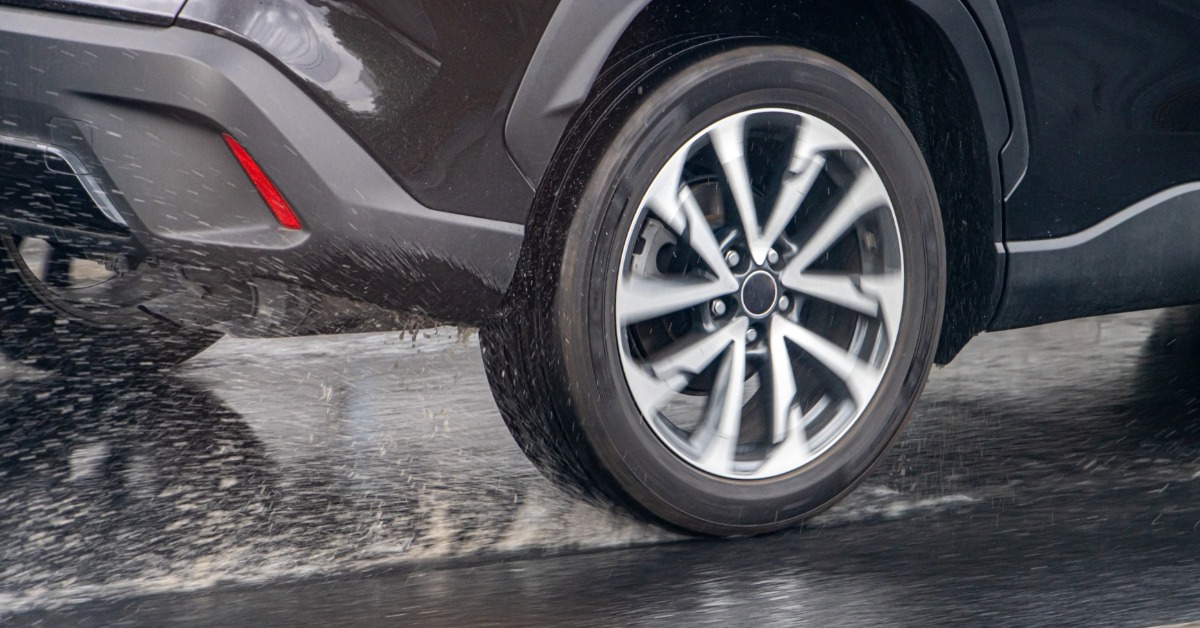
Hydroplaning occurs when water prevents a tire from gripping the pavement as it should. As water builds beneath the tread, the tire begins to skim across the surface instead of holding firmly to the road. This loss of traction happens when the tread cannot clear water quickly enough to keep up with driving conditions. Higher speeds and worn tires make hydroplaning more likely because they reduce the tire’s ability to effectively push water aside.
Hydroplaning does not always begin with a dramatic loss of control. In many cases, the vehicle gives subtle signals first. Noticing the following signs early can help you respond more smoothly.
Reducing your speed is one of the most effective ways to lower the risk of hydroplaning because it gives your tires more time to move water away from the road surface. A speed that feels manageable on dry pavement can become much less forgiving once rain starts falling and water begins collecting across the lane. Slowing down early helps your vehicle stay more settled and gives you more control over how it responds in changing conditions.
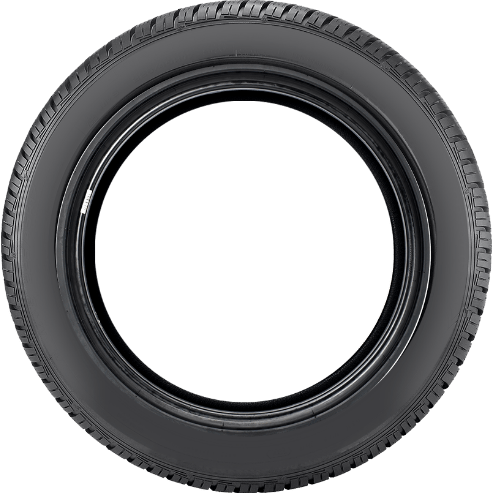
Tread depth plays a direct role in wet-road performance because the tire’s grooves channel water away as the tire rolls forward. As that tread wears down, the tire becomes less capable of handling standing water, even if it still appears serviceable during everyday driving. Checking tread condition regularly helps you catch a problem before rainy conditions expose the limits of an aging tire.
Proper tire pressure helps the tire meet the road the way it was designed to, which can make wet-weather handling more predictable. When inflation is off, the tire may not perform as evenly as it should, impacting how it responds on slick pavement. For drivers visiting a tire shop in Pascagoula, MS, a pressure check is a simple way to support safer performance when roads are wet.
Quick reactions can make a wet-road situation harder to control because sudden steering or braking can disrupt the vehicle’s balance at the wrong moment. On slick pavement, smoother inputs help the car stay balanced and make it easier for the tires to work effectively. Staying calm with your movements can help your confidence when traction feels limited.
Some parts of the road collect more water than others, so paying attention to your path can help reduce unnecessary risk. Depressed areas in the pavement and visibly pooled sections can increase the risk of hydroplaning, especially when water depth is hard to judge at speed. Choosing a cleaner path through the lane can help your vehicle stay more composed during heavy rain.
The first priority is staying composed. Panic leads to jerking the wheel, which can make the vehicle harder to control once traction returns. Keeping the wheel steady helps prevent a sudden sideways movement.
Take your foot off the gas gradually and let the vehicle slow on its own. Doing this allows the tires to begin reconnecting with the pavement without adding more force to the situation. A smooth reduction in speed is more effective than an abrupt reaction.
Hard braking can make a sliding vehicle less stable, especially if traction is already limited. If your vehicle has anti-lock brakes, apply firm, controlled pressure only when needed. If it does not, avoid slamming the brake pedal and use a gentler touch.
Once the tires begin to regain grip, small steering corrections are more helpful than large ones. Point the vehicle where you need it to go and avoid overcorrecting. The goal is to settle the car, not force it back into line all at once.
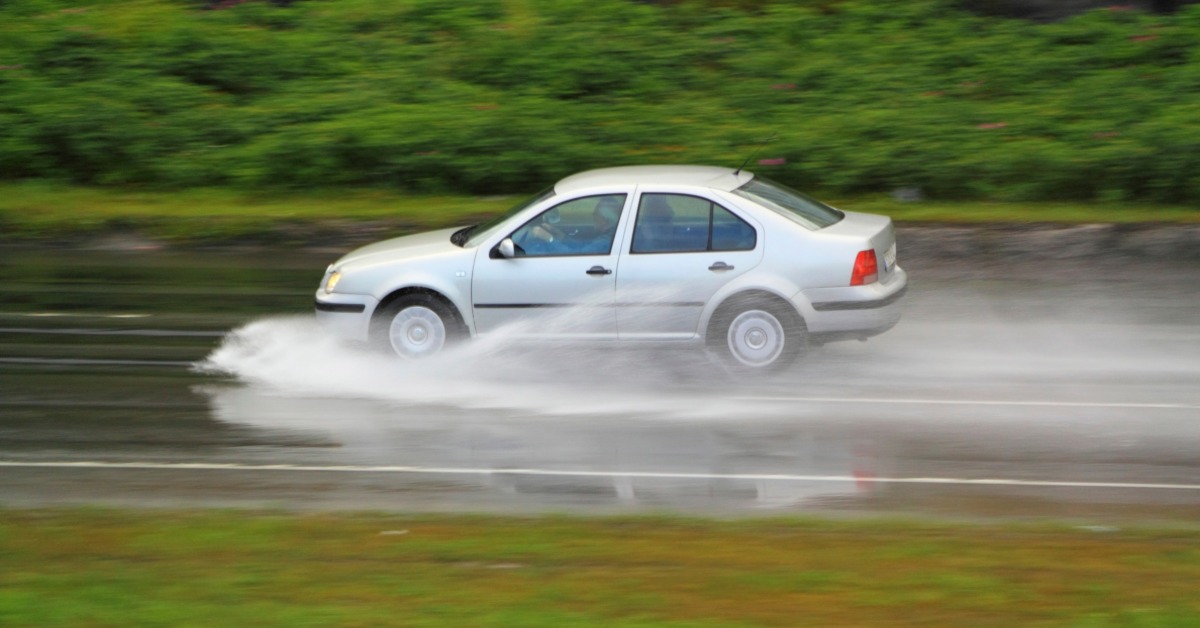
After traction returns, resist the urge to immediately speed back up or make a dramatic correction. Give yourself a moment to feel that the vehicle is fully stable again. Check your surroundings and continue driving smoothly until you are clear of the wet area.
It is also worth paying attention to how the car feels afterward. If the steering still seems off or the vehicle continues to pull, there may be another issue affecting control. Regaining control is not just about the first second after the slide. It also means fully settling the vehicle before resuming normal driving.
If your vehicle still feels unsettled in the rain even when you are driving carefully, a professional inspection can help uncover the cause. Subtle handling issues are not always easy to identify from the driver’s seat, especially when road conditions keep changing. The team at RNR Tire Express can take a closer look and help you decide what needs attention before wet-weather problems become harder to manage.
Rain does not give drivers much time to second-guess their response. Knowing ways to avoid and recover from hydroplaning can help you stay more deliberate when the road suddenly feels uncertain. Control starts long before a storm and carries into every choice you make behind the wheel. When you want added peace of mind from your tires, RNR Tire Express is ready to help.
By signing up you agree to our Privacy Policy.