Safety Tips
|
Aug 9, 2019
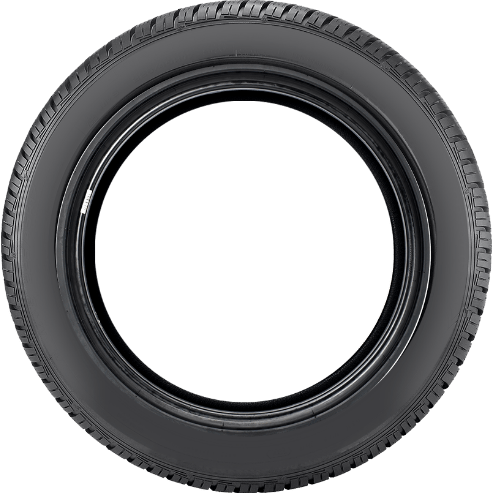
Tire sidewalls rarely receive as much attention as tread depth or tire pressure. However, they play a major role in keeping a vehicle safe and stable. The sidewall supports the tire while flexing as the vehicle turns, brakes, and travels over uneven pavement.
Damage in this area can weaken a tire even when the tread still looks healthy. When drivers learn ways to identify tire sidewall damage, they can keep themselves and their vehicle safe. Some warning signs stand out immediately, while others require a closer inspection. Regular sidewall checks can help drivers identify potential trouble before a tire fails on the road.
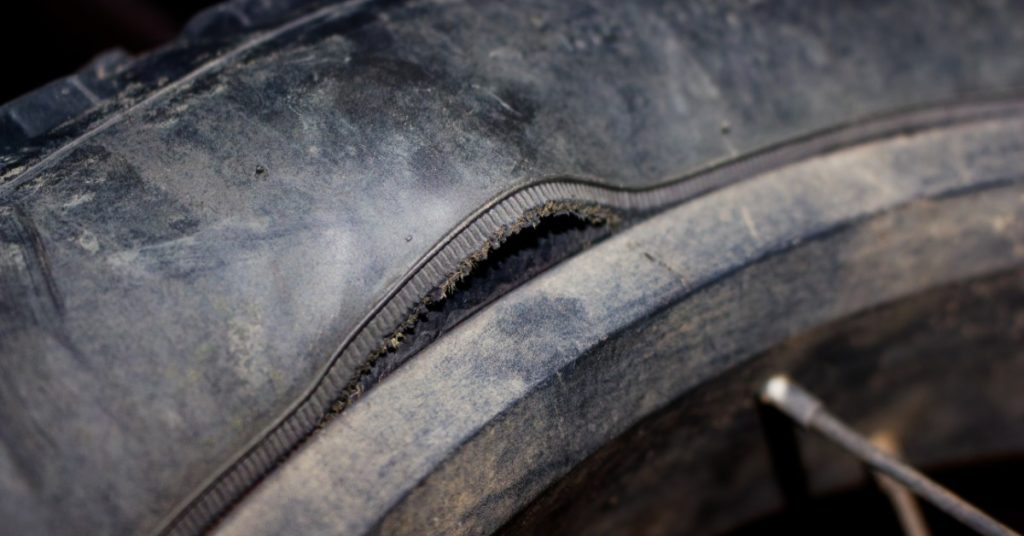
Start a sidewall inspection by examining the rubber for cuts or splits. Many drivers wonder why this damage occurs, but it can come from a variety of impacts, such as sharp road debris or a curb. Small surface marks may only affect appearance, but deep cuts require professional attention.
Never assume a cut remains harmless simply because the tire still holds air. A deeper opening may damage the internal cords that give the tire its structural strength. Any cut that appears deep, wide, or irregular deserves a closer professional inspection.
Drivers should pay particular attention to openings that reveal cords or material beneath the rubber. Exposed structural components indicate significant damage. Drivers should also inspect the inner sidewall whenever they can safely access it because damage can hide on the vehicle-facing side.
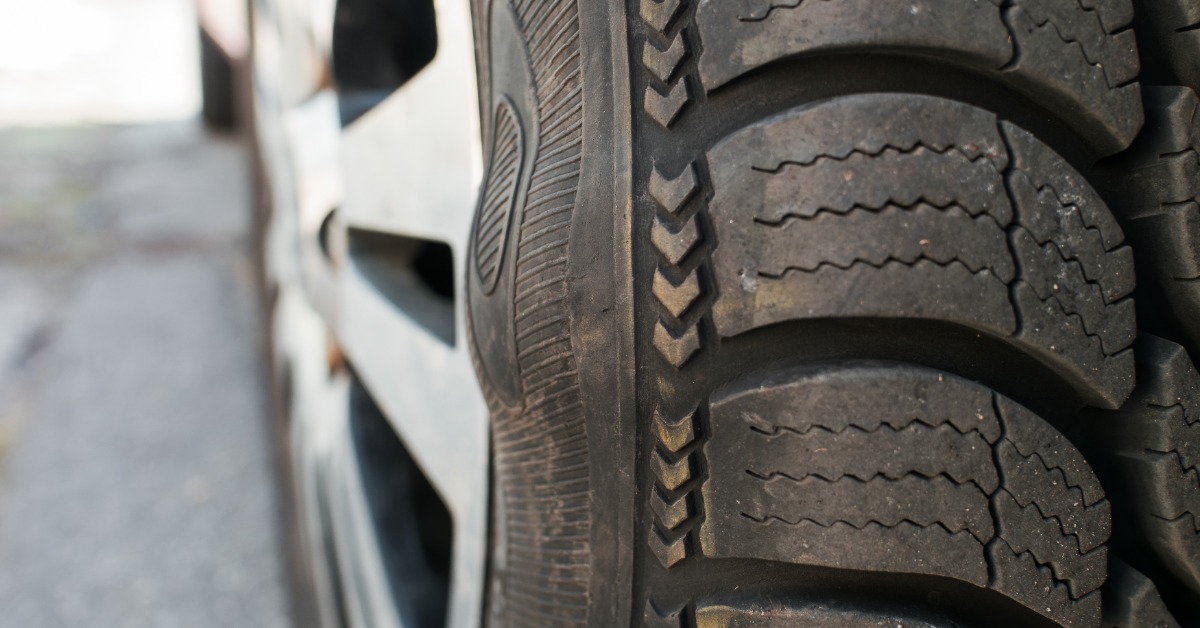
A bulge or bubble is one of the most serious sidewall warning signs. Internal tire damage can allow air pressure to push against a weakened section. This pressure creates a raised area that may appear as a small bump along the sidewall.
Pothole impacts and hard curb strikes can damage internal cords even when the exterior shows no obvious cut. Once the cords weaken, the tire may lose some of its ability to contain pressure safely. The resulting bulge signals a serious structural concern.
Drivers should never ignore a bubble because it appears small or the vehicle still drives normally. Continued heat, flexing, and road impacts can place more stress on the weakened section. A sidewall bulge generally requires prompt professional attention and replacement.
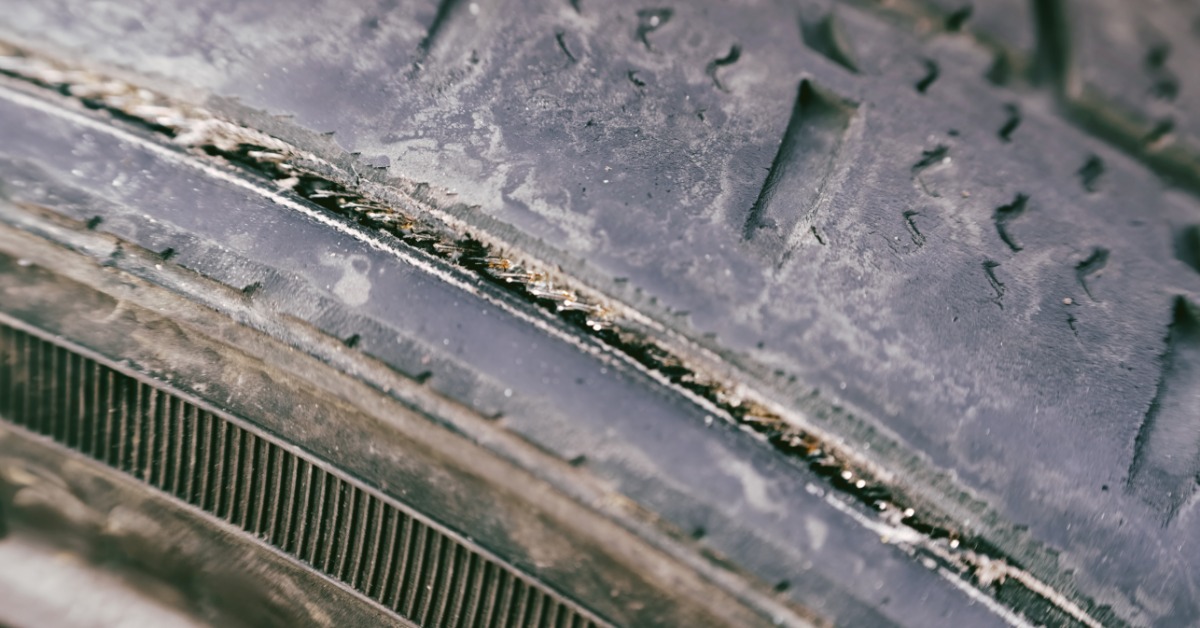
Rubber naturally changes as tires age and encounter sunlight, heat, oxygen, and changing weather. Older sidewalls may develop networks of fine cracks that resemble dry, weathered skin. These cracks often become easier to notice when inspecting the tire closely in good lighting.
Minor surface aging does not always signal immediate failure. However, extensive or deep cracking often indicates that the rubber has lost flexibility and strength. Cracks that spread across large portions of the sidewall deserve professional evaluation.
Age also matters because tread depth doesn’t tell the whole story about tire condition. A lightly driven vehicle may retain plenty of tread while its tires continue aging. Drivers can check the tire identification information to determine its manufacturing date.
Parking near curbs can expose tire sidewalls to repeated scraping and impact. A light cosmetic scuff may not compromise the tire, but harder contact can remove rubber or create deeper cuts. Drivers should inspect their tires after any noticeable curb strike.
The damage location can also provide useful information. A fresh mark near the widest part of the sidewall may point to recent curb contact. Inspect the surrounding area for swelling, missing rubber, or other shape changes.
Warning signs that require closer attention include:
A professional inspection can help separate superficial marks from damage that threatens tire integrity. Drivers who regularly travel on rough roads or park near tight curbs should check the sidewall more often.
A damaged tire can sometimes signal trouble through the steering wheel before visible signs appear. Some drivers notice a pulling or a rhythmic thumping sensation, which can indicate a tire problem. Never ignore a sudden change in how a familiar vehicle feels; it can worsen the issue and endanger everyone on the road.
These symptoms do not automatically confirm sidewall damage because wheel, suspension, and alignment problems can create similar behavior. However, tire condition should remain part of the inspection. The timing of the symptoms can also provide an important clue.
Take handling problems especially seriously after hitting a road object or pothole. An impact could damage the tire while also affecting the wheel or alignment. Local drivers can visit RNR Tire Express for assistance. A professional inspection at our tire shop in Lubbock can help identify the source.
Driving on an underinflated tire forces the sidewall to flex excessively with every rotation. That repeated movement creates heat inside the tire and adds strain to its internal construction. Prolonged low-pressure driving can cause lasting structural damage.
Adding air afterward cannot necessarily reverse damage that has already occurred. A tire may return to the correct pressure while still carrying internal weakness from excessive heat and flexing. This makes proper inflation an important part of preventing sidewall problems.
Drivers should never rely only on appearance when checking inflation. Modern tires can look relatively normal even when pressure falls below the recommended level. Use a pressure gauge and inflate the tire to the correct pressure. You can find this on the tire information placard.
Drivers should treat sidewall damage differently from many punctures within the repairable tread area. The sidewall flexes significantly whenever a tire rolls and carries vehicle weight. This movement makes many forms of sidewall structural damage unrepairable.
A plug or patch cannot safely restore serious sidewall damage. Trying to extend the life of a compromised tire can create unnecessary risk, especially on the highway. Replacement often provides the appropriate solution when structural sidewall damage develops.
Seek professional assistance when a tire develops a bulge, deep cut, exposed cords, extensive cracking, or persistent pressure loss. Tire technicians can examine areas that drivers may overlook during a quick visual check. They can also evaluate tire age and overall wear.
Regular inspections give drivers a better chance of spotting damage to a tire’s sidewall before it creates a larger problem. Check the sidewalls when checking tire pressure, before longer trips, and after significant contact with potholes or curbs. Good lighting can make small cracks and cuts easier to notice.
Compare all four tires during each inspection. Differences in shape, cracking, or wear can make an abnormal tire easier to identify. Drivers should also watch for changes in pressure and vehicle handling between inspections.
RNR Tire Express can help drivers assess questionable sidewall damage and choose suitable replacement tires when needed. Professional tire service reduces uncertainty around cuts, cracking, and impact damage. Visit RNR Tire Express for tire maintenance and replacement options that help keep vehicles ready for the road.
By signing up you agree to our Privacy Policy.