Tires
|
May 30, 2019

Electric vehicles continue to change how drivers approach vehicle maintenance, especially when choosing tires. Although electric vehicles share many features with traditional gas-powered cars, their unique performance characteristics create different demands on their tires. The right choice can affect driving range, handling, and overall comfort during daily travel.
Understanding what drivers should consider when choosing EV tires helps vehicle owners make informed decisions before buying replacements. Electric vehicles often carry extra weight and deliver power differently than conventional cars. These differences make tire construction especially important for reliable performance and long-term efficiency.
Electric vehicle tires must handle demands that differ from those of conventional passenger vehicles. Many manufacturers develop specialized tire designs to handle heavier vehicle weight while supporting the quick acceleration electric motors provide. These features help tires maintain reliable road contact in a range of driving conditions.
Although certain traditional tires work with electric vehicles, drivers cannot assume every tire will offer the same performance. EV-focused tires often use specialized rubber compounds that improve durability without adding excessive rolling resistance. Their construction can also reduce unwanted highway vibrations.
Drivers should focus on compatibility rather than simply choosing products with an EV label. A tire that meets the vehicle manufacturer’s specifications can deliver suitable performance, even without specialized EV branding.
Battery packs add considerable weight to many electric vehicles, placing additional pressure on their tires. This weight influences how tires respond during acceleration and when navigating sharp turns. Choosing tires with sufficient load capacity helps maintain the structural support that heavier vehicles require.
Every tire carries a load index that indicates how much weight it can safely support under specified conditions. Some electric vehicles require Extra Load (XL) or High Load (HL) tires to accommodate their design. Drivers should consult their owner’s manual before choosing replacement tires because tire size alone doesn’t guarantee compatibility.
Installing tires with insufficient load capacity can compromise vehicle safety. Maintaining the manufacturer’s required load rating provides a dependable foundation for everyday driving.
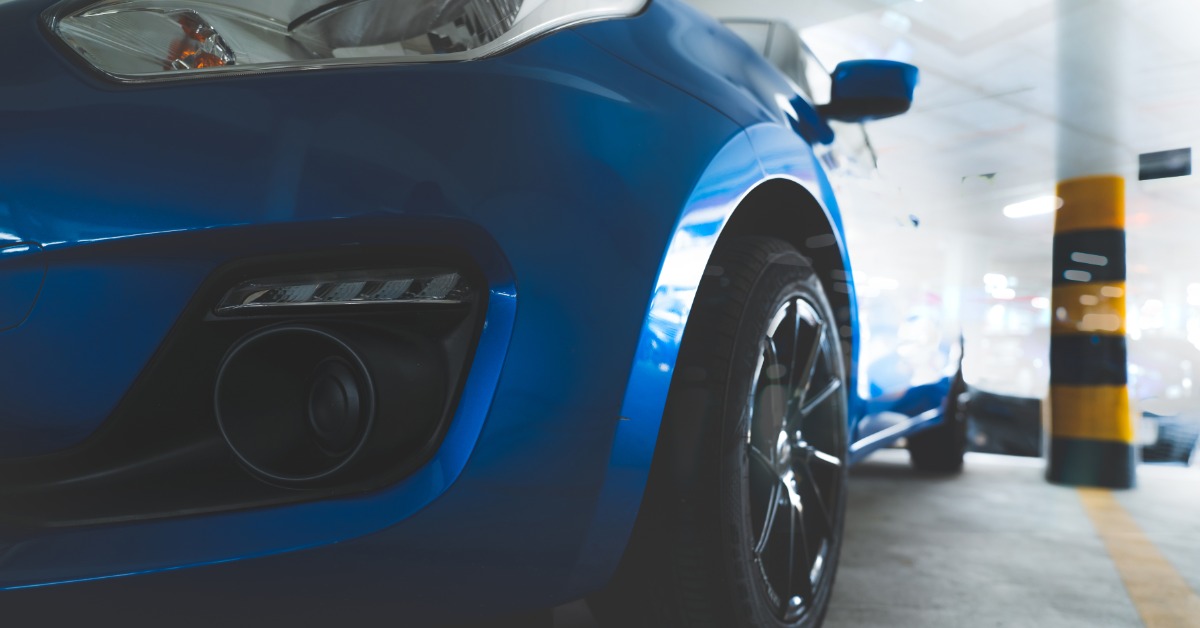
Rolling resistance describes the energy tires consume as they move across the road. Since electric vehicles rely on battery power, excessive resistance can reduce the distance drivers travel between charging sessions. Tire manufacturers address this concern through tread designs and rubber compounds that limit unnecessary energy loss.
Low-rolling-resistance tires can improve driving efficiency without requiring drivers to change their usual travel habits. However, different tire models balance efficiency with traction and handling. Selecting the lowest-resistance option does not automatically guarantee the best overall performance.
Drivers who frequently travel longer distances may benefit from prioritizing energy-efficient tire designs. Comparing manufacturer specifications can help determine which products support their expectations for daily driving range.
Electric motors deliver power almost immediately when drivers press the accelerator. This rapid torque delivery creates considerable force at the tire-to-pavement contact patch. Combined with added vehicle weight, aggressive acceleration can accelerate tread wear.
Driving habits make a meaningful difference in how long EV tires last. Frequent hard launches put more stress on the tread, while smoother acceleration helps reduce unnecessary wear. Road conditions also affect tire longevity, particularly when drivers regularly travel across rough pavement.
Many manufacturers offer EV-compatible tires with compounds that balance durability against traction. Drivers should compare treadwear warranties where available, but remember that individual driving habits can affect actual tire life.
Electric vehicles operate without the familiar engine noise that often masks conventional tire sounds. As a result, drivers may notice more road noise in the cabin, especially on textured pavement. Tire selection can significantly influence how comfortable the vehicle feels during longer trips.
Some tire manufacturers use specialized tread patterns to reduce unwanted road noise. Other designs incorporate sound-absorbing materials inside the tire to limit vibrations that contribute to cabin noise. These features can create a more pleasant experience without changing the vehicle’s mechanical systems.
Drivers who prioritize a quiet ride should compare tire models with noise-reduction features. Reviewing manufacturer information can help identify options that balance comfort with dependable handling.
Weather conditions affect how well EV tires maintain traction year-round. Summer heat can affect tire pressure, while colder temperatures may reduce rubber flexibility. Drivers should choose tire designs that match the climate and road conditions they encounter most frequently.
All-season tires can provide practical year-round performance in many regions, although they cannot match dedicated winter tires in severe snow or icy conditions. Performance-oriented summer tires may deliver responsive handling in warmer months but lose effectiveness as temperatures drop.
Before purchasing replacement tires, drivers should evaluate several important characteristics:
These considerations help narrow options without overlooking a particular vehicle’s requirements. Drivers should never sacrifice essential safety specifications solely to improve another performance characteristic.
Even high-quality EV tires require consistent maintenance to deliver dependable performance. Incorrect inflation increases rolling resistance and can accelerate irregular tread wear. Following the manufacturer’s recommended tire pressure helps support efficient operation while protecting tire integrity.
Drivers should check tire pressure regularly using the vehicle manufacturer’s specifications rather than relying on the maximum pressure printed on the sidewall. Tire rotations also help distribute wear more evenly, although the appropriate rotation pattern depends on the vehicle’s drivetrain and tire configuration.
Routine tread inspections can reveal developing problems before they become serious. Uneven wear may indicate alignment concerns or other mechanical issues that require professional attention. Addressing these concerns promptly helps drivers protect their tire investment.
Replacing electric vehicle tires requires balancing purchase price against long-term performance. Although some EV-focused tires cost more upfront, their design features may support greater efficiency or improved durability. Drivers should evaluate overall value rather than focus only on the lowest available price.
Choosing affordable tires does not mean ignoring essential performance requirements. RNR Tire Express offers brand-name tires and convenient payment options to make replacement purchases more manageable. Drivers can talk with our team about tire specifications and available options before choosing the products that best suit their vehicles.
Understanding what drivers should consider regarding EV tires makes the replacement process more straightforward. Every electric vehicle has specific requirements, and the right tire choice should reflect how its owner drives.
Prioritizing manufacturer compatibility while keeping daily performance expectations in mind helps drivers approach their next purchase with confidence. RNR Tire Express helps vehicle owners evaluate tire options without overlooking their budgets.
Visit our tire shop in Clovis to discuss compatible tires and possible payment options before choosing your next set.
By signing up you agree to our Privacy Policy.