Tires
|
May 30, 2019
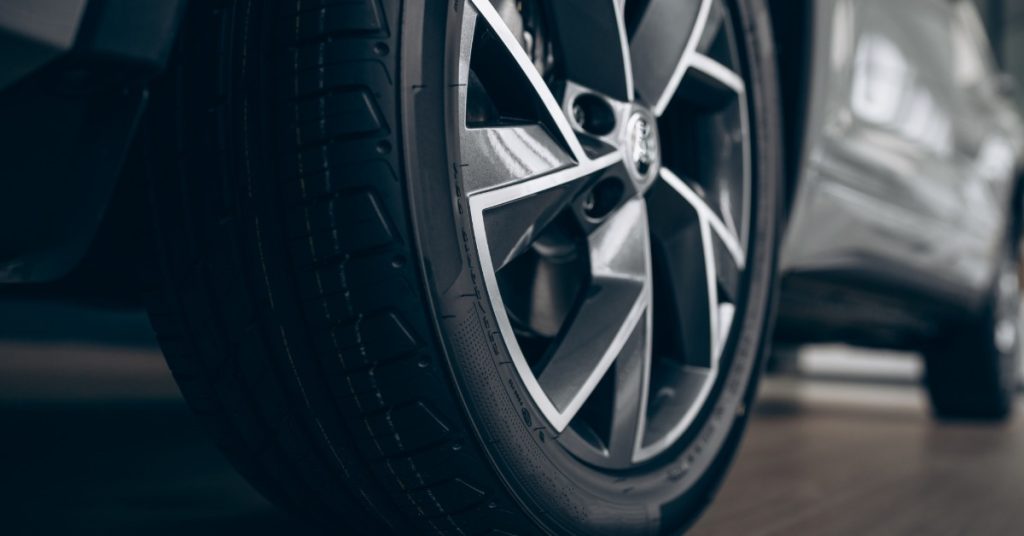
When drivers think about gas mileage, they usually picture their vehicle’s engine or traffic, not their tires. Yet tires affect how much effort it takes for a vehicle to move and stop on the road.
Understanding how new tires impact fuel efficiency starts with looking at a part of the vehicle many drivers do not think about until it is time for replacement. For drivers trying to make smart decisions about long-term vehicle costs, this deserves a closer look.

A tire is the only part of a vehicle that touches the road, so its condition matters more than many drivers realize. As tires age, the tread can wear unevenly, and the structure can stop rolling as smoothly as it once did. Added resistance forces the vehicle to use more energy to maintain speed, especially in stop-and-go traffic.
Low air pressure increases drag even more because the tire flexes more with each rotation. Misalignment and irregular wear affect how evenly the vehicle carries its weight. When tires are in poor shape, fuel efficiency drops before the driver notices a major handling problem.
One of the clearest ways new tires can help improve fuel efficiency is by lowering rolling resistance. Rolling resistance is the energy needed to keep a tire moving across pavement, and higher resistance makes the engine work harder. A fresh tire with the right construction can roll more efficiently than an older tire that has worn unevenly or lost consistency. The difference may be small on one trip, but it can add up over weeks of commuting.
New tires can also create more predictable contact with the road. When traction is steady, the vehicle responds more smoothly during daily driving. Stability can help drivers avoid constant corrections that waste motion and disrupt momentum. It does not create a huge jump in fuel economy on its own, but it supports more efficient driving.
Many newer tires are designed with fuel efficiency in mind. Manufacturers use tread shapes, internal construction, and materials that help limit heat buildup and reduce energy loss as the tire rotates. Some tires are built to balance comfort and tread life for everyday driving. When that technology matches the vehicle, it can support steadier MPG (miles per gallon) without changing how the car is used.
New tires do not guarantee better mileage. Some drivers replace old tires with a category designed for looks or specialized performance. In those cases, fuel economy may stay flat or decline.
Every tire category is built for a different purpose. A touring tire may offer smoother, more efficient daily driving, while a performance tire may prioritize grip and response. If the category does not match how the vehicle is used, the efficiency benefit may be limited.
Tread design changes how the tire contacts the road and manages water. A deeper or more aggressive pattern creates more resistance than a road-focused design. That tradeoff can be worthwhile for certain needs, but it may reduce MPG gains.
Larger or heavier tires usually take more energy to rotate. Even a modest change in size can affect efficiency, particularly in city driving where the vehicle is constantly speeding up and slowing down. Staying close to the recommended size helps protect fuel economy.
Rubber compound affects flexibility and heat. Some compounds are built for long wear, while others are tuned for traction or seasonal performance. A compound that reduces excess heat and energy loss can improve MPG under everyday conditions.
New tires are only part of the equation. Hard acceleration, abrupt braking, rough roads, heavy loads, and frequent short trips all influence fuel use. The benefit of new tires shows up best when driving habits and conditions do not work against them.
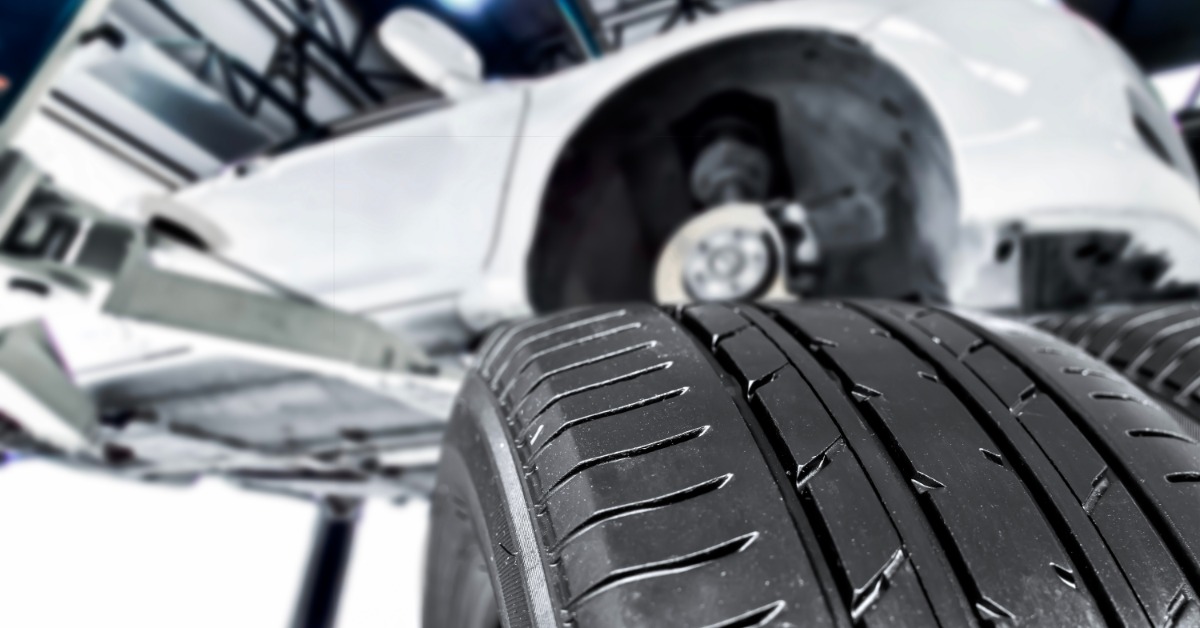
New tires need proper care to deliver their best performance. Air pressure should stay at the recommended level because underinflated tires create more rolling resistance, while overinflated tires can wear unevenly. Routine rotations help the tread wear more evenly, which supports smoother rolling over time.
Don’t forget alignment either, because a vehicle that drifts slightly can scrub away fuel efficiency without making the issue obvious at first. Drivers who want long-term value from a new set should see maintenance as part of the MPG equation. That is one reason many drivers rely on a tire shop in Jackson, TN, with professionals to help them choose, install, and maintain the right tires.
Choosing the right tire starts with looking beyond the label on the sidewall. Drivers should compare how a tire is built to perform over time, including how consistently it handles daily commuting and changing road surfaces.
It helps to think about what matters most in the overall driving experience, since a tire that feels quieter and more controlled is often a better fit for everyday use than one designed for a more aggressive purpose. At RNR Tire Express, drivers can talk through those priorities with a team that helps match the right tire to the vehicle, the routine, and the balance between efficiency and long-term value.
Most drivers should expect a modest improvement, not a dramatic one. New tires can help restore efficiency that was lost to worn tread or the wrong setup, but they are only one part of the full MPG picture. Driving style, alignment, tire pressure, vehicle load, and road conditions still affect results every day. The biggest benefit usually comes when the right tires are paired with consistent maintenance.
A better driving experience comes down to details that seem small until they start affecting everyday costs. Knowing how new tires impact fuel efficiency can help drivers make more confident decisions when it is time for replacement. When you are ready for tires that fit your vehicle and your daily driving needs, visit RNR Tire Express.
By signing up you agree to our Privacy Policy.