Tires
|
May 30, 2019
Drivers shop for tires based on size, price, tread life, and brand, but tread design also plays a major role in daily performance. One tread feature that deserves more attention is tire siping. These small cuts in the tread can influence how a tire grips the road, especially when conditions turn wet or slick.
If you’d like to know more about tire siping, you’ve come to the right place! Keep reading to understand what tire siping is and why it’s important.
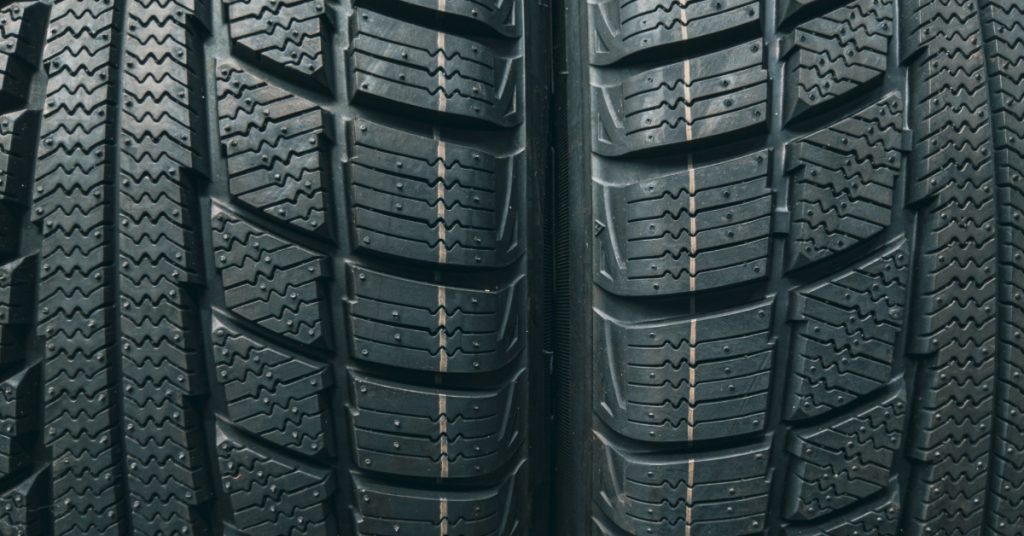
Tire siping refers to the thin slits cut into the tread blocks of a tire. These slits create additional edges across the tread surface, which helps the tire maintain contact with the road. Tire manufacturers design siping into many passenger tires, all-season tires, and performance tires to improve traction without changing the overall tread pattern too drastically.
When a tire rolls over the road, those small slits open slightly and help the tread adapt to the surface. That flexibility can improve grip in rain, on cool pavement, and in other low-traction conditions. Siping may look minor at first glance, but it plays a meaningful role in how a tire performs in real-world driving.
A tire needs to do more than spin and carry weight. It must grip the road while handling acceleration, braking, and cornering. Sipes create more biting edges that interact with the pavement. Those edges give the tire more chances to hold the road instead of sliding across it.
Siping also helps move water away from the contact patch. When water sits between the tire and the road, traction drops fast. The added edges from siping help break through that thin layer of water, which supports better control. That matters during heavy rain, on damp back roads, and during sudden stops at intersections.
Think of siping as a way to make the tread surface work harder. A plain tread block has a limited number of edges touching the road. A siped tread block has many more. Each edge helps the tire grab the surface and resist slipping.
That extra grip becomes especially useful when roads feel unpredictable. A siped tire can respond more effectively on pavement that’s slick from rain or altered due to temperature changes. This added road contact helps drivers feel more stable behind the wheel.
Sipes also allow tread blocks to flex slightly as they roll. That movement helps the tread settle into the surface instead of skimming across it. When a tire keeps better contact with the road, it can deliver stronger traction and smoother handling.
This flexibility does not mean the tire becomes weak or unstable. Instead, the tread can adapt more easily to minor variations in the road surface. That controlled flexibility helps support confident braking and steering in changing conditions.
Now that we know what tire siping is, why is it important? Many drivers associate tread design with extreme weather, but siping matters in everyday driving too. Rainy roads, shaded areas, cool mornings, and emergency braking situations can all test traction. In those moments, the design of your tread matters more than you may realize.
For Mississippi drivers, changing weather can create a mix of dry pavement, heavy rain, and slippery road surfaces throughout the year. Siping adds a level of traction support that can help tires perform more consistently. That makes it an important feature for commuters, families, and anyone who spends a lot of time on the road.
Wet pavement reduces friction and increases stopping distance. Tires with effective siping can help improve traction by creating extra edges that push through surface water. That can support better braking and more control when roads turn slick.
This does not make a tire immune to hydroplaning or unsafe driving habits. Drivers still need to slow down in bad weather and inflate their tires properly. Still, siping gives the tread an advantage when roads are wet, and grip becomes harder to maintain.
Braking performance depends on how well a tire can plant on the road when pressure shifts forward. Siping helps the tread hold the road during that transition. When a driver brakes suddenly, the added edges can contribute to better traction and a more stable stop.
That benefit matters in daily traffic where quick reactions happen all the time. A light changes, a vehicle cuts in front of you, or traffic slows with little warning. Tires with quality siping can help support the kind of control drivers depend on every day.
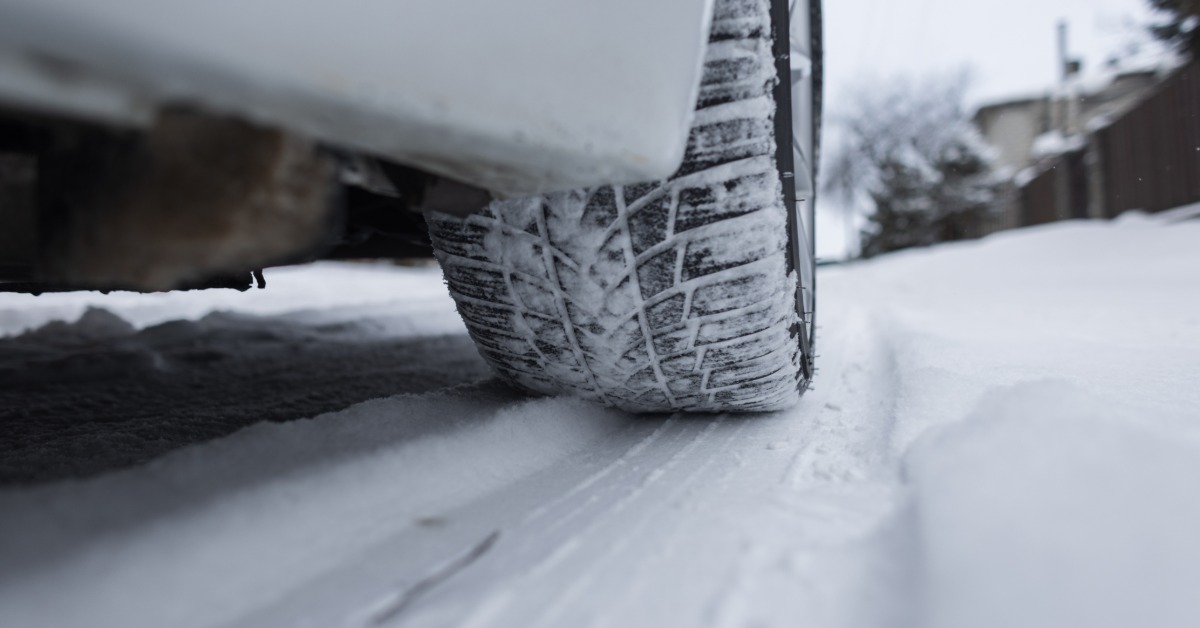
Siping can help in colder conditions because tires lose some flexibility as temperatures fall. Sipes give the tread blocks room to move and maintain better contact with the road. That can improve traction on cold pavement, light slush, and other surfaces where grip becomes less predictable.
Even in a region that does not deal with long winters, cooler weather can still affect tire performance. Morning frost, chilly rain, and shaded roads can reduce traction more than many drivers expect. Siping helps the tire stay more responsive when road conditions change with the temperature.
Not all siping is equal. Manufacturers vary the number, depth, shape, and placement of sipes depending on the type of tire and the performance goal. An all-season tire may use siping differently than a performance tire or a highway touring tire. The tire’s compound and tread pattern also influence the effectiveness of the sipes.
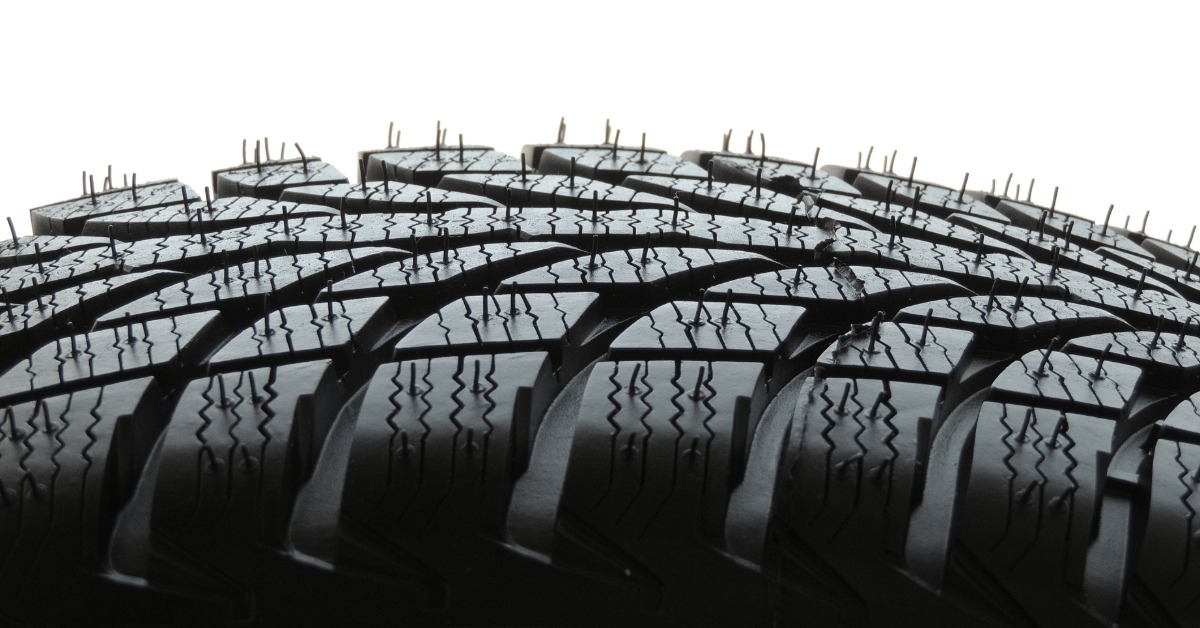
Some people ask whether they can add siping to a tire after buying it. In some cases, aftermarket siping services exist, but they don’t suit every tire. Modern tires feature specific tread features from the start, and altering that design may affect performance, wear, or warranty coverage.
That is why most drivers are better off choosing a tire that already includes the right siping pattern from the manufacturer. A tire professional can explain a tire’s construction and whether its design fits your vehicle and driving habits.
The answer depends on where and how you drive. If you spend a lot of time on wet roads, deal with seasonal temperature changes, or want better traction for daily driving, siping deserves your attention. It is especially useful for drivers who want a tire that feels more secure in varying conditions without stepping into a specialty tire category.
Tire siping may seem like a small detail, but it has a real impact on traction, handling, and braking. Those tiny slits help create extra grip, improve wet-road performance, and support better control when road conditions are less than ideal. For drivers who want a safer and more confident ride, siping is an important part of the conversation when shopping for new tires.
If you are looking for tires in Vicksburg, MS, with siping and traction to fit your vehicle, RNR Tire Express is here to help! Book an appointment with one of our tire experts, and we’ll find tires that fit your car and budget.
By signing up you agree to our Privacy Policy.