Safety Tips
|
Aug 9, 2019
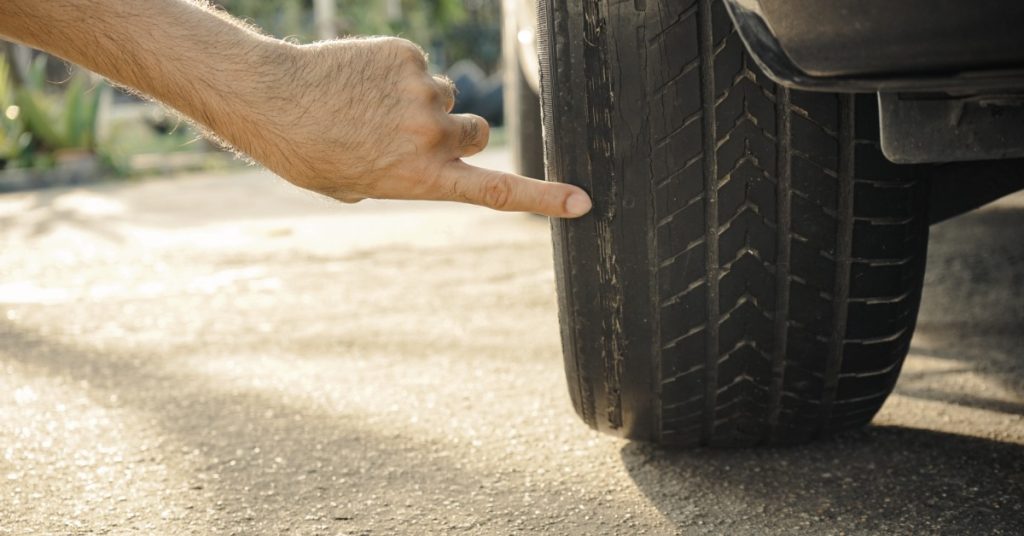
Tire feathering creates a distinct driving sensation that many drivers initially struggle to identify. This uneven tread wear pattern develops when the tire edges form a jagged, sawtooth-like texture across the tire’s surface.
Drivers often notice subtle changes in vehicle behavior before they recognize visible tire damage. Understanding what tire feathering feels like while driving helps prevent further wear and protects overall vehicle performance.
Tire feathering usually manifests as changes in how the vehicle feels during everyday driving. The steering wheel may feel slightly off, even when the vehicle travels on a smooth road. Drivers often notice a faint vibration that becomes more noticeable at higher speeds. This sensation can feel inconsistent, which makes it harder to diagnose without a closer inspection.
The vehicle may also seem less stable when changing lanes or making gentle turns. Small steering corrections may feel necessary to keep the car centered. This constant adjustment can lead to driver fatigue during longer trips. Early recognition of these subtle changes helps prevent more serious tire issues.
Feathered tires often produce a noticeable humming or whining noise while driving. This sound typically increases with speed and becomes more pronounced on smooth pavement. Unlike normal road noise, feathering creates a rhythmic tone that seems to follow the rotation of the tires. Drivers may mistake this noise for worn wheel bearings or other mechanical problems.
The sound often changes depending on the road surface and driving speed. On highways, the noise may grow louder and more persistent. In city driving, it may fade slightly but never fully disappear. Paying attention to unusual tire noise helps identify feathering before it worsens.
Tire feathering affects how the steering system responds to driver input. The vehicle may feel less precise when turning, especially during gradual curves. Steering may feel slightly loose or unpredictable, which reduces confidence behind the wheel. This change in responsiveness often signals uneven tire contact with the road.
Drivers may also notice a slight pull to one side, even when alignment seems correct. This occurs because feathered edges grip the road unevenly. The inconsistency in traction creates subtle resistance that impacts steering balance. Addressing this issue early prevents further handling problems.
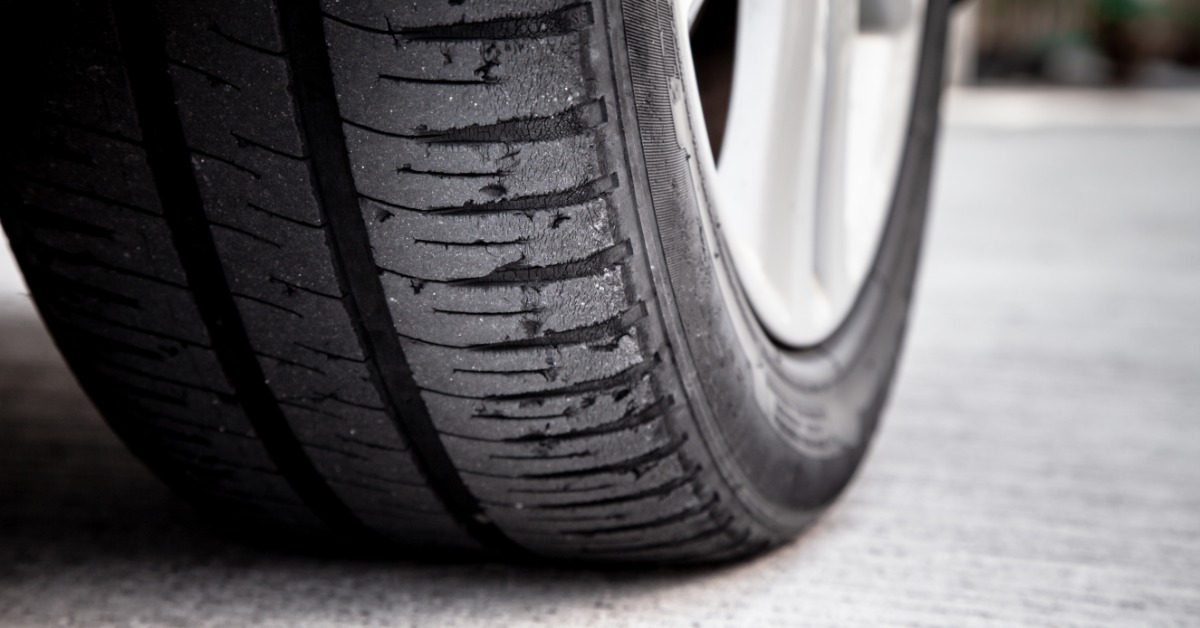
Feathered tires create vibrations that gradually become more noticeable. At first, the vibration may feel minor and easy to ignore. Over time, it can intensify and spread through the steering wheel and seats. This progression indicates worsening tread wear and increased imbalance.
The vibration often appears at specific speed ranges, especially between 40 and 70 miles per hour. Drivers may notice it disappears at lower speeds but returns on the highway. This pattern makes it easy to overlook until the problem becomes severe. Consistent vibration always signals a need for inspection.
Several factors contribute to the development of tire feathering. Misaligned wheels are often the primary cause, as they force tires to contact the road at incorrect angles. Suspension issues can also create uneven pressure across the tire surface. Driving habits and road conditions may accelerate the problem.
Common causes include:
Each of these factors disrupts even tread wear and creates the sawtooth pattern associated with feathering. Regular maintenance helps reduce these risks and extend tire life.
Turning amplifies the sensations caused by tire feathering. Drivers may feel a slight dragging or resistance when steering through curves. This occurs because the uneven tread edges struggle to maintain a consistent grip. The result feels less smooth compared to properly worn tires.
The vehicle may also feel unstable during sharper turns or quick maneuvers. This instability can reduce confidence, especially at higher speeds. Drivers may unconsciously slow down to compensate for the change in handling. Recognizing this pattern helps identify tire wear issues early.
Tire feathering significantly affects overall ride comfort. The combination of noise, vibration, and uneven handling creates a less enjoyable driving experience. Even short trips may feel more tiring due to constant road noise. Over time, this discomfort becomes more noticeable and harder to ignore.
Passengers may also notice the difference, especially during highway travel. The cabin may feel noisier, and the ride may seem rougher than usual. These changes often lead drivers to suspect suspension issues instead of tire wear. A proper tire inspection often reveals the true cause.
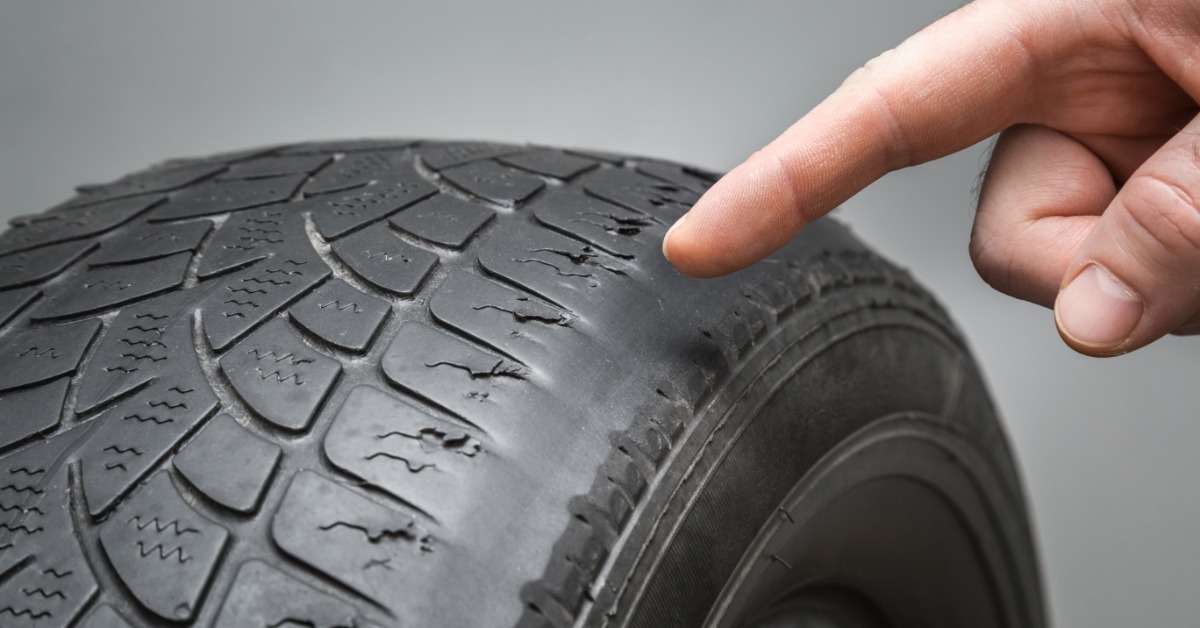
Drivers can confirm tire feathering by inspecting the tread pattern. Running a hand across the tire surface reveals the uneven edges. One direction will feel smooth, while the opposite direction will feel rough and jagged. This texture directly explains the sensations experienced while driving.
The tread blocks may also appear angled or worn more heavily on one side. This uneven wear pattern stands out when compared to normal tire wear. Identifying these visual signs supports what drivers feel behind the wheel. Regular inspections help catch these issues before they worsen.
Ignoring tire feathering leads to faster tire degradation and reduced safety. Uneven tread wear decreases traction, especially in wet or slippery conditions. This loss of grip increases stopping distances and reduces control during emergency maneuvers. Addressing feathering early helps maintain safe driving conditions.
Drivers who notice these symptoms should schedule a professional inspection as soon as possible. A trusted provider like RNR Tire Express can help drivers find tires in Lubbock and accurately assess alignment and tire condition.
Correcting the underlying issue prevents further damage and restores proper handling. Proactive maintenance always costs less than replacing severely worn tires.
Preventing tire feathering requires consistent attention to vehicle maintenance. Regular wheel alignments ensure tires maintain proper contact with the road. Routine tire rotations promote even wear across all four tires. Monitoring tire pressure also plays a critical role in maintaining balance.
Drivers should also pay attention to how the vehicle handles over time. Small changes often signal developing issues that need attention. Addressing these changes early helps avoid costly repairs and extends tire lifespan. A proactive approach keeps the driving experience smooth and predictable.
Tire feathering creates a combination of sensations while driving that affect your vehicle’s comfort and control. Drivers often feel subtle vibrations while noticing changes in steering response. These symptoms gradually worsen if left unaddressed. Recognizing these signs early allows drivers to take action before safety becomes compromised.
Drivers who stay attentive to changes in vehicle behavior can catch problems early. A well-maintained set of tires ensures a smoother, quieter, and safer ride every time.
RNR Tire Express provides a reliable solution for drivers who need to replace their tires without financial stress. Flexible payment options make it easier to get the right tires now while staying within budget. Our experienced staff helps match each vehicle with the best tire choice for performance and safety. Visit the nearest RNR Tire Express today to upgrade your ride and get back on the road with confidence.
By signing up you agree to our Privacy Policy.