Tires
|
May 30, 2019
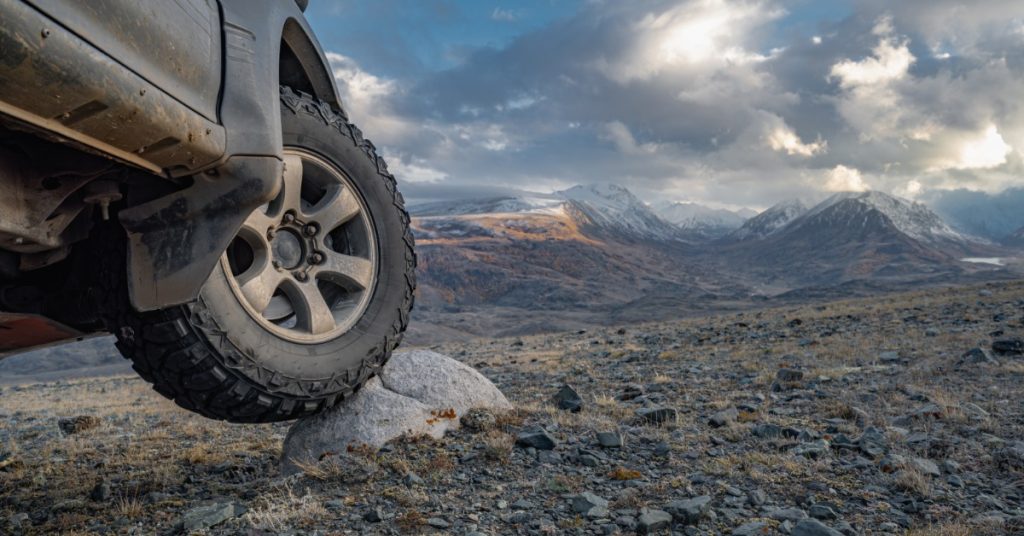
Your truck looks ready for anything, but the wrong tire choice can limit what it’s truly capable of. Before upgrading, you should understand what to consider when buying off-road tires so that your setup matches the way you drive day to day. A little strategy upfront helps ensure your truck performs the way you expect when conditions get tough.
“Off-road” is a broad term that covers many different surfaces. Dirt trails, sand, rocky paths, and muddy backroads each demand something different from a tire. Some terrains require flexibility and grip, while others call for reinforced construction and debris resistance.
Many drivers assume that a more aggressive tire automatically performs better everywhere. In reality, off-road capability depends on matching tire design to terrain conditions. Understanding this distinction helps prevent overbuying or choosing a tire that does not align with your driving style.
Your driving habits matter just as much as the terrain. Some drivers take occasional weekend trips down unpaved roads. Others regularly tackle hunting land or job sites. Frequency and intensity both influence your ideal tire choice.
Think about how often you leave pavement and how demanding those conditions are. Occasional light-trail use may not require the same tread depth as frequent deep-mud driving. Being honest about your routine ensures you invest in performance you will truly use rather than paying for capability that stays untapped.
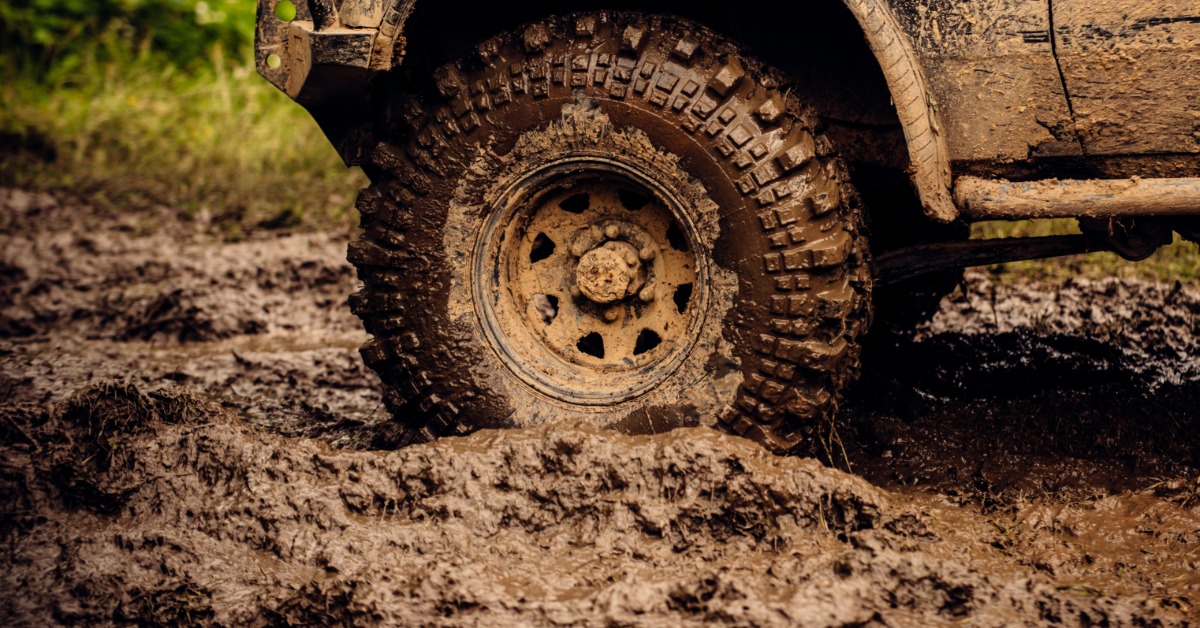
Off-road tires generally fall into three main categories, each designed with a different overall performance focus.
The design of all-terrain tires handles a mix of pavement and light-to-moderate off-road conditions. Their tread patterns feature larger blocks than highway tires, yet they remain closely spaced enough to maintain reasonable road comfort.
These tires work well for drivers who split time between daily commuting and occasional trail use. They offer versatility without dramatically increasing road noise. All-terrain options are a practical starting point for those upgrading from standard street tires but not ready for extreme tread designs.
Mud-terrain tires focus on maximum off-road traction. Their large, widely spaced tread blocks help eject mud and maintain grip in loose soil. Deep voids between lugs prevent buildup that can reduce traction.
This aggressive design comes with trade-offs. Mud-terrain tires typically produce more road noise and may feel firmer on the highway. However, for drivers who regularly encounter deep mud or rugged terrain, that extra grip can make a huge difference in control and performance.
Hybrid or rugged-terrain tires bridge the gap between all-terrain and mud-terrain designs. They feature more aggressive tread than A/T tires but maintain better road manners than traditional M/T options.
These tires appeal to drivers who want a bold look and added off-road capability without committing to the full intensity of a mud-terrain setup. Hybrid options provide reinforced construction while preserving everyday drivability.
Beyond the tire category itself, the specific tread layout influences how a tire behaves under stress. The arrangement of tread blocks affects how pressure is distributed across the contact patch, especially under heavier loads or when navigating uneven terrain. Some patterns are designed to wear more evenly over time, while others prioritize specialized performance in certain conditions.
Instead of focusing only on how aggressive a tire looks, evaluate how the design will perform after thousands of miles. The spacing and shape of tread elements all contribute to consistency. A thoughtful review of these details helps ensure you’re selecting a tire built for sustained performance, not just first impressions.
Off-road environments expose tires to sharp rocks and uneven terrain. Stronger sidewalls help resist punctures and cuts that can occur during trail driving. Ply rating indicates the relative strength of a tire’s construction.
A higher ply rating generally means greater ruggedness, though it may also result in a firmer ride. Drivers who frequently encounter rocky or debris-filled terrain benefit from reinforced sidewalls. For lighter off-road use, extreme reinforcement may not be necessary.
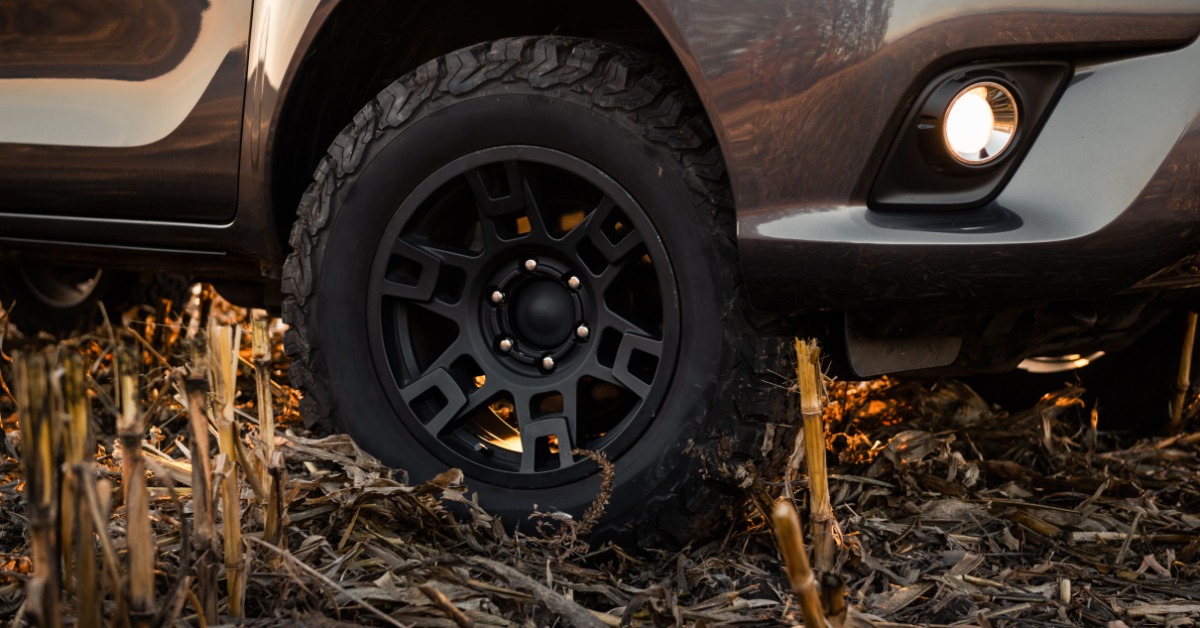
Upgrading to off-road tires involves changing to a larger size. Larger tires can increase ground clearance, but they must fit your vehicle’s wheel wells and suspension system properly. Incorrect sizing may lead to rubbing or altered handling.
Always confirm manufacturer recommendations before changing dimensions. Lift kits and offsets all influence compatibility. Proper fitment ensures your vehicle maintains stability and braking performance while gaining off-road potential.
Off-road tires weigh more than standard highway tires, and that added weight can influence how hard your engine works. Larger tread blocks and deeper patterns increase rolling resistance, which may slightly reduce fuel efficiency over time. Even small changes in tire size can affect overall consumption.
For drivers who put many miles on their vehicles, this difference adds up. Choosing a tire that balances off-road capability with reasonable efficiency helps protect your future operating costs. Considering fuel impact upfront prevents surprises after the upgrade is installed.
Off-road tires use tougher rubber compounds to handle demanding conditions. Durability plays a major role in long-term value, especially if you regularly drive on abrasive surfaces.
Treadwear expectations vary by tire type. Some aggressive options may wear faster due to softer compounds designed for grip. Reviewing manufacturer warranties can provide additional insight into the projected lifespan. A well-built tire should offer confidence both on and off the trail.
Climate affects off-road performance more than many drivers realize. Wet Gulf Coast conditions may require tread patterns that efficiently channel water away from the contact patch. In hotter climates, rubber compounds must withstand sustained heat.
Drivers searching for tires in Baton Rouge or throughout the Gulf Coast region should consider how humidity and rainfall impact traction. Choosing a tire suited for regional weather patterns supports consistent performance year-round.
Price will influence purchasing decisions. While it may be tempting to focus solely on upfront cost, lasting performance should remain part of the equation.
RNR Tire Express offers flexible payment options that help drivers access the tires they need without compromising safety or capability. Investing in the right tire from the start can reduce premature wear and replacement costs later.
Upgrading your off-road tires should feel like a smart move, not a gamble. When you understand what to consider when buying off-road tires, the decision becomes more strategic. The right setup changes how your truck responds when the ground beneath it stops cooperating. Stop by RNR Tire Express to see how the right tire can transform your next drive.
By signing up you agree to our Privacy Policy.