Tires
|
May 30, 2019
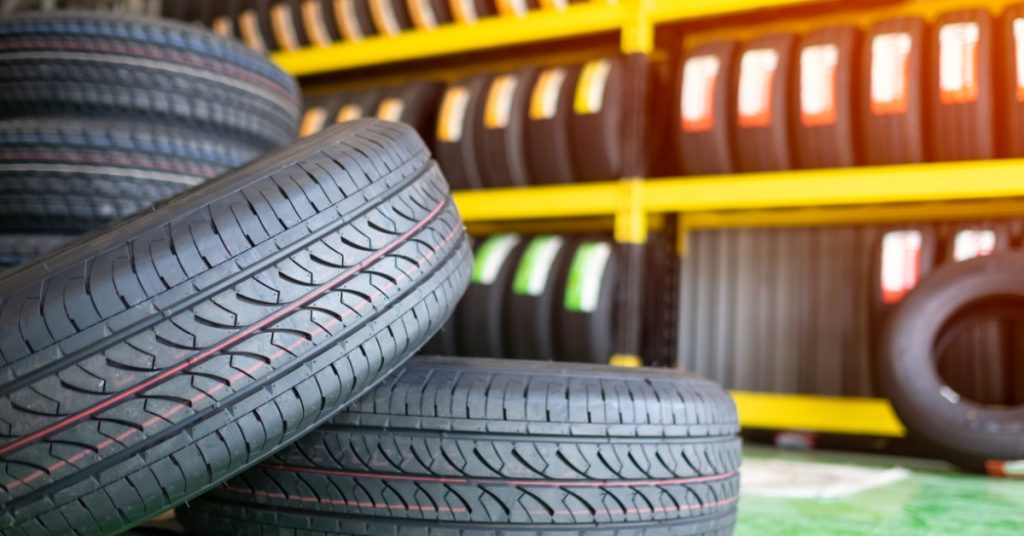
Road noise can wear on your patience long before a tire reaches the end of its life. Cabin comfort matters just as much as traction, tread life, and ride quality for many drivers who spend time on highways or busy city streets. Let’s discuss the key details that deserve close attention if you want to learn what to consider when looking for quiet tires.
Every tire creates sound as it meets the pavement. Air moves through tread grooves, rubber contacts the road, and tiny vibrations travel into the vehicle. Tire manufacturers use different tread layouts to reduce those sounds before they reach the cabin.
A tire built for comfort usually features tread blocks that break up sound waves instead of creating one repeating pattern. Variable pitch tread designs spread noise across several frequencies, so drivers hear less of the steady hum that can become tiresome during a long drive. That small design change creates a calmer ride without any change to daily driving habits.
The tread pattern plays a larger role than many people realize. Aggressive off-road tires deliver extra grip on dirt, mud, and rocks, but those same deep tread blocks create more sound on pavement. Highway tires take the opposite path with smoother patterns that reduce noise.
Picture two drivers who commute across town every weekday. One drives with rugged all-terrain tires despite never leaving paved roads, and the other uses touring tires built for comfort. The second driver will usually notice a quieter cabin, even if both vehicles travel at the same speed.
Learning what to consider when looking for quiet tires highlights the surprising impact of tire size on sound. Larger wheels paired with low-profile tires create a bold appearance, though that setup may produce more road noise. Taller sidewalls absorb more vibration before it reaches the suspension and passenger compartment. That extra cushion contributes to a more relaxed drive.
Factory tire sizes exist for good reasons. Engineers balance ride comfort, steering response, fuel economy, and braking performance before a vehicle reaches the dealership. A dramatic size change can alter that balance in ways many drivers never expect.
Not every tire uses the same rubber formula. Softer compounds absorb small road imperfections more effectively, and that quality helps reduce sound inside the cabin. Harder compounds may last longer, though they can transfer more vibration into the vehicle.
Climate also deserves attention while you shop. A tire designed for warm weather behaves differently than one built for colder temperatures. Local driving conditions should guide your choice instead of appearance alone.

A quiet tire today may become louder after thousands of miles if maintenance falls behind. Uneven tread wear creates irregular contact with the road, and that condition increases sound inside the vehicle. A driver may blame the tire design even though maintenance caused the change.
Regular tire rotations help tread wear stay even across all four tires. Correct air pressure also supports smooth contact with the road. Alignment service keeps tires pointed in the proper direction, so one edge does not wear faster than the other.
Many tire manufacturers publish information about comfort, ride quality, and road noise. Independent reviews add another layer of real-world feedback from drivers who spend time behind the wheel every day. Those sources help narrow the list before you visit a tire shop.
Pay close attention to comments from drivers with vehicles similar to yours. A luxury sedan owner and a sports car enthusiast may describe the same tire very differently because their expectations and driving styles do not match.
Summer, all-season, and winter tires each serve a different purpose. Every design places priority on a particular set of driving conditions. Noise levels can shift from one category to another because tread depth, groove placement, and rubber compound all change.
Drivers who live in mild climates usually appreciate the balanced performance of quality all-season tires. However, drivers who face snow and ice gain more confidence from winter tires, even if road noise rises a bit during that part of the year.
Online research helps narrow the options, though a conversation with tire professionals brings another level of confidence. A technician can compare your driving habits, vehicle type, local road conditions, and budget before any recommendation. That approach helps prevent buyer’s remorse after installation. A good professional team also provides payment options that give customers more flexibility without unnecessary stress.
Air pressure affects far more than fuel economy and tread life. An underinflated tire flexes more than intended, and that extra movement creates additional vibration across the tread. Too much air pressure reduces the tire’s ability to absorb imperfections in the pavement, so more road texture travels into the cabin.
Check tire pressure at least once each month and before longer trips. Follow the vehicle manufacturer’s recommended pressure instead of the maximum number printed on the tire sidewall. That small maintenance habit helps preserve ride comfort and supports the quiet performance you paid for.
Even the quietest tire cannot eliminate every sound from the road. Fresh asphalt creates far less noise than rough concrete, worn pavement, or roads covered with coarse aggregate. Many drivers notice this effect immediately during a highway trip as the road surface changes from one section to another.
That reality explains why tire noise can seem inconsistent from one drive to the next. A tire that performs quietly on smooth pavement may sound louder across older roads with rough textures. Compare tire performance across several types of roads before you decide that road noise comes from the tires alone.
A peaceful ride adds comfort to every commute, weekend trip, and family vacation. Tire design, tread pattern, maintenance, and proper fit all shape the sound you hear from the driver’s seat. Visit our tire shop in Baton Rouge, LA, to compare quality tire options, speak with experienced professionals, and find a set that suits your vehicle perfectly.
By signing up you agree to our Privacy Policy.