Safety Tips
|
Aug 9, 2019
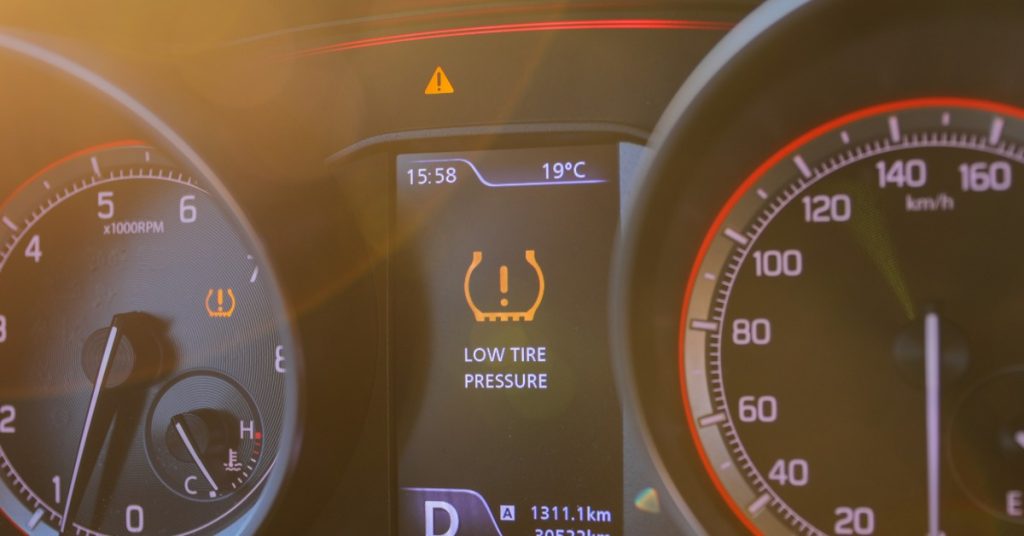
Few sights can inspire dread in a car owner more than a dashboard warning light activating. One of the most common warning lights drivers will see at some point is the tire pressure light. Below, we explain what you should do if your car’s tire pressure light comes on.
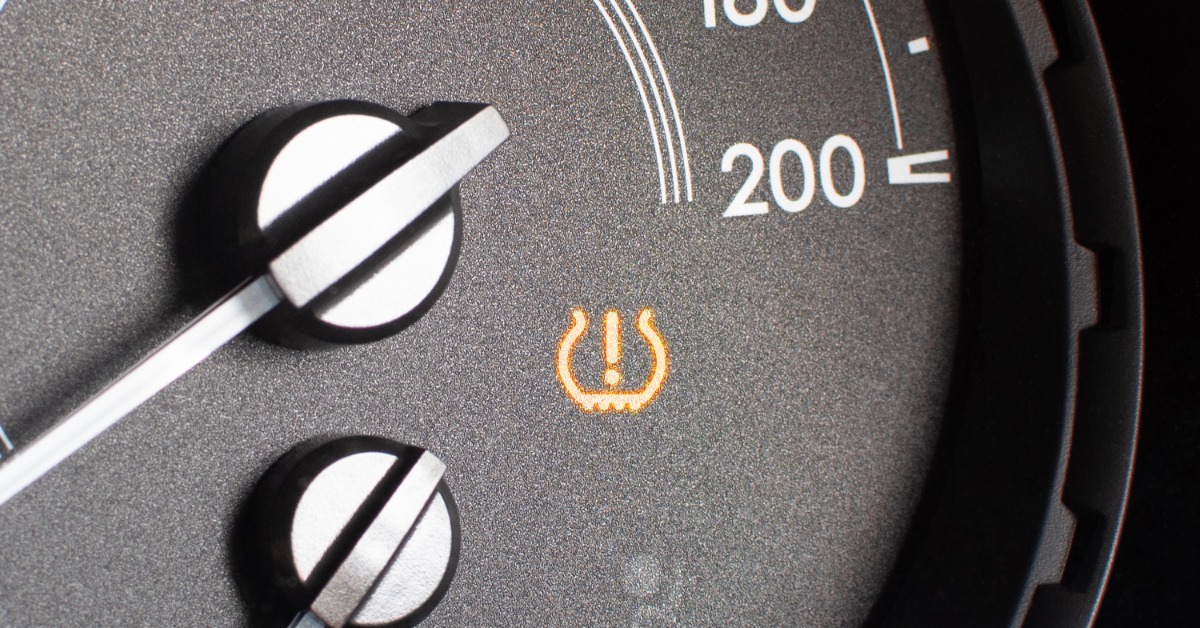
Most modern vehicles use a tire pressure monitoring system (TPMS) to track air pressure inside the tires. When pressure drops below the manufacturer’s recommended level, the system activates a warning light on the dashboard. The symbol usually resembles a tire cross-section with an exclamation point in the center.
The light does not identify the exact cause of the pressure loss. A tire may have picked up a nail, developed a leaking valve stem, or lost pressure because of colder weather. The warning may also appear because the monitoring system itself needs service.
The way the warning light appears can provide useful information. A steady light usually means at least one tire has low pressure. You should check all four tires as soon as you can, even when the vehicle still feels normal.
A light that flashes for about a minute before remaining illuminated may indicate a TPMS malfunction. The sensors, receiver, or another system component may not be communicating correctly. You should still inspect the tires, but the monitoring system may also need professional attention.
The first thing to do if your tire pressure light comes on is to stay calm. Hold the steering wheel firmly, reduce your speed, and pay attention to how the vehicle responds. Listen for unusual sounds, and notice whether the vehicle pulls to one side, shakes, or feels difficult to steer.
Move to a safe location if the vehicle feels unstable or if you suspect a flat tire. Choose a parking lot, a wide shoulder, or another area away from moving traffic. Avoid sudden braking, sharp turns, and high speeds because an underinflated tire may generate excess heat and become harder to control.
Walk around the vehicle and examine every tire. Look for a tire that appears lower than the others, as well as cuts, bulges, cracks, or objects lodged in the tread. A tire can lose a significant amount of pressure without looking completely flat, so visual inspection alone cannot confirm that the pressure is correct.
Do not continue driving on a tire with an exposed sidewall bulge, severe cut, or obvious structural damage. These conditions can cause sudden tire failure. Contact roadside assistance or arrange for professional service instead of risking additional damage.
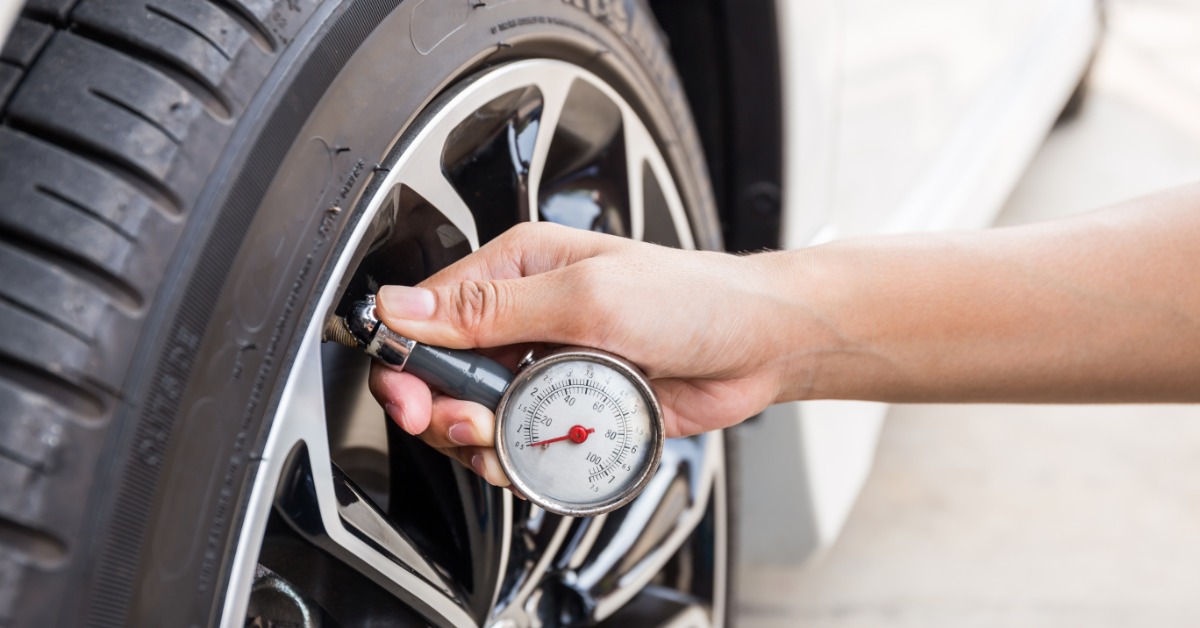
Use a reliable tire pressure gauge to check each tire when you can do so safely. Remove the valve cap, press the gauge firmly onto the valve stem, and record the reading. Repeat the process for every tire because the warning system may not show which tire is low.
Compare each reading with the vehicle manufacturer’s recommended pressure. You can usually find this information on a label inside the driver’s door jamb or in the owner’s manual. Do not use the maximum pressure on the tire sidewall as your everyday inflation target because that number serves a different purpose.
Tire manufacturers and vehicle makers base recommended pressure on cold tires. A cold tire is one that’s been sitting idle for hours or only driven a short distance at a low speed. Driving creates heat, which raises pressure and can make a low tire appear properly inflated.
If you must check the tires after driving, treat the reading as temporary. Add enough air to address a clearly low tire, then check the pressure again when the tires are cool.
Use an air compressor to bring each low tire to the recommended pressure. Add air in short bursts, and check the gauge between each adjustment. This approach helps prevent overinflation and gives you better control over the final reading.
Replace the valve caps after you finish. The caps help keep dirt, moisture, and debris away from the valve cores. Once all tires have the correct pressure, drive for a few minutes and watch the dashboard to see whether the warning light turns off.
Air pressure decreases as outdoor temperatures drop. A cold morning can trigger the tire pressure light even when the tires did not suffer damage. This situation becomes more common during seasonal changes, especially when daytime and nighttime temperatures differ significantly.
Do not ignore the light simply because the weather changed. Check every tire, and adjust the pressure according to the vehicle manufacturer’s recommendation.
A tire that loses pressure again shortly after inflation may have a slow leak. Nails, screws, small tread punctures, damaged valve stems, and corrosion around the wheel can allow air to escape gradually. The tire may hold pressure for several days before the warning light returns.
Track how quickly the pressure drops, but do not delay an inspection. A small leak can grow worse, and driving may damage a repairable tire.
You cannot repair every tire with damage. Punctures in certain parts of the tread may qualify for repair, but damage to the sidewall or shoulder usually creates a greater safety concern. Large punctures, internal damage, and driving on a severely underinflated tire may also make replacement necessary.
Let a trained technician evaluate the tire from the inside before approving a repair. A complete inspection provides a clearer picture of the tire’s condition and helps prevent an unsafe repair.
A tire pressure light that returns repeatedly deserves attention, even when you can add air and make it disappear. Recurring pressure loss may point to a puncture, a leaking wheel, a damaged valve, or a sensor problem. Repeatedly topping off the tire only treats the symptom.
Schedule an inspection before the issue leaves you stranded. A technician can test the tire, examine the wheel, check the valve components, and evaluate the TPMS.
Some vehicles reset the TPMS automatically after you correct the pressure and drive for a short distance. Others require a reset procedure through a dashboard menu, button, or vehicle settings screen. Check the owner’s manual for instructions specific to your vehicle.
Never reset the system just to remove the warning light. Resetting the light without correcting the problem can hide a safety issue and prevent the system from giving you a useful warning.
A tire pressure light gives you time to act before low pressure creates a more dangerous situation. Check the tires promptly, correct the pressure, and arrange an inspection when the warning returns or visible damage appears. For help diagnosing a leak, servicing your TPMS, or replacing a damaged tire, visit an RNR Tire Express tire shop in Memphis, TN. Our team can help you choose the right next step and get your vehicle ready for the road.
By signing up you agree to our Privacy Policy.