Safety Tips
|
Aug 9, 2019
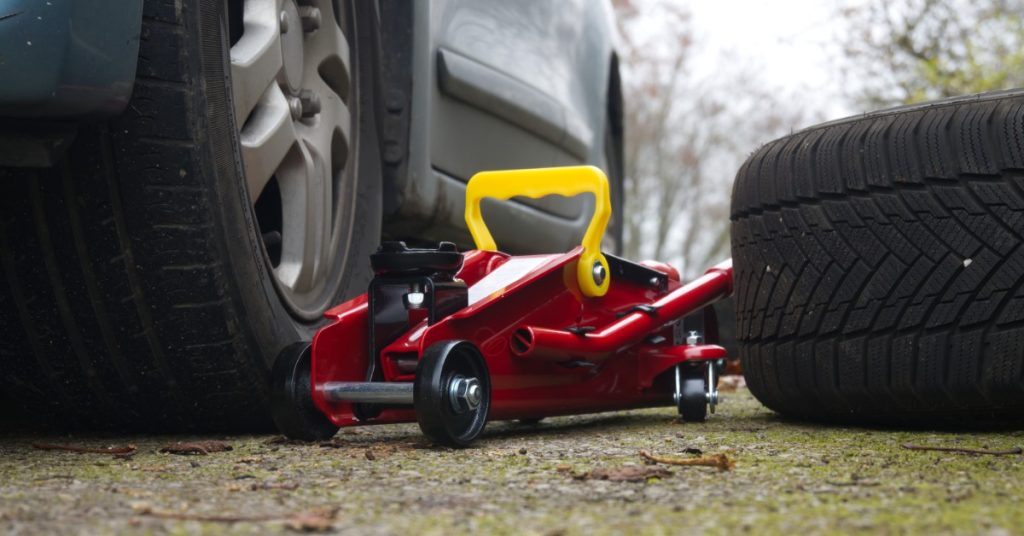
A flat tire can turn a normal drive into a stressful situation in minutes. Once you install your spare, your next priority is getting yourself, your passengers, and your vehicle to a safe destination without causing more damage. A spare tire can help you get off the roadside and back on the road, but it is not a long-term fix.
Driving on a spare tire requires a different mindset than driving on a full set of standard tires. Your vehicle may handle differently, stop differently, and feel less stable in turns. Below, we explain what you should know about driving safely on a spare tire.
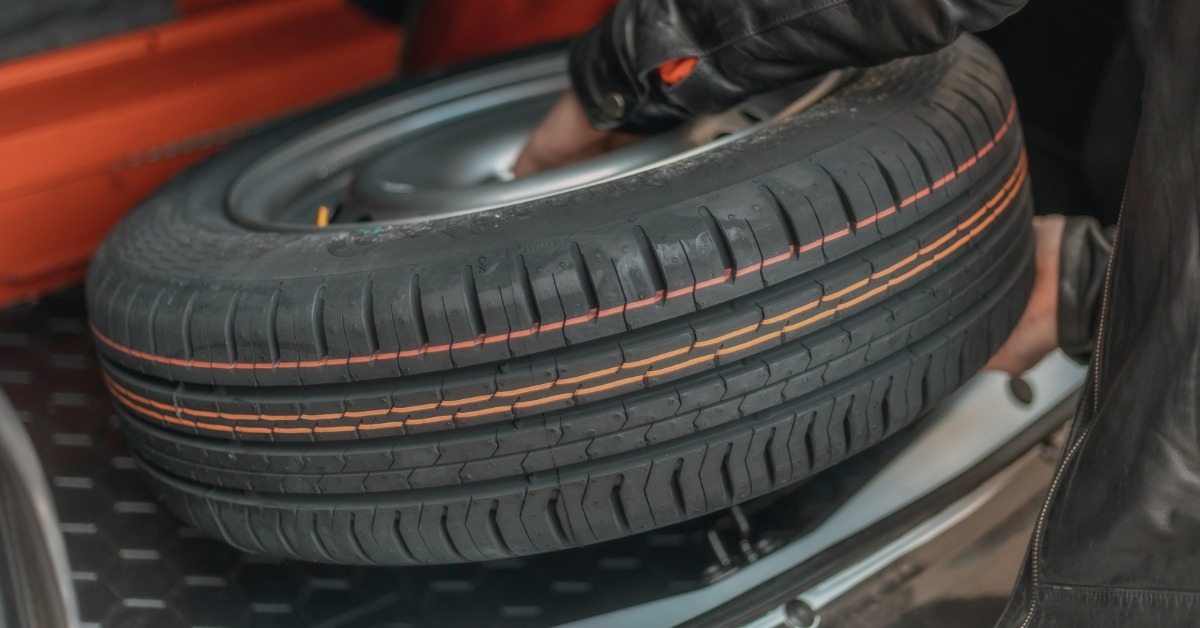
Not every spare tire works the same way. Some vehicles come with a full-size spare that closely matches the tires already on the vehicle. Others come with a compact temporary spare (also known as a donut), which is smaller, lighter, and only intended for short-term use. The type of spare in your trunk determines how cautiously you need to drive and how quickly you should schedule tire service.
Temporary spare tires are specifically for limited speed and distance, while you should still check full-size spares for age and condition before relying on them. A compact spare changes the way your vehicle carries weight and responds to braking, cornering, and acceleration. Because it does not match the other tires in size and construction, it can affect your traction and overall control.
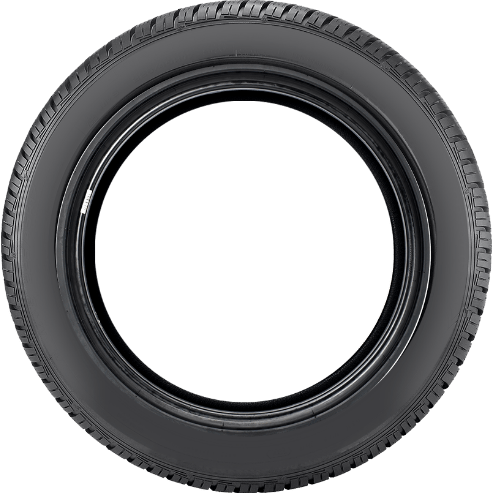
Before you pull back into traffic, look at the printed information on the spare tire itself. Many temporary spares list a maximum speed and inflation requirement on the sidewall. A common warning for temporary-use spare tires is not to exceed 50 miles per hour, and manufacturers also warn that you should only use them for limited distances. Those limits matter because smaller spare tires build heat faster and do not perform like standard tires under normal driving conditions.
You should also confirm the spare tire’s inflation. A spare that has been sitting in the trunk for years may have lost pressure without you noticing. If the spare looks low or damaged, drive only as much as necessary to reach immediate help.
An important thing to know about driving safely on a spare tire is that you should always take a cautious approach. Avoid hard acceleration, abrupt braking, and sharp turns. A spare tire has less margin for error, especially if it is a compact temporary spare with a different footprint and tread design than the other tires on your vehicle.
Smooth driving gives you better control and reduces stress on the spare. Leave extra space between your vehicle and the one in front of you so you can brake gradually. Take curves at a reduced speed and avoid quick lane changes.
A spare tire is there to help you finish the immediate trip to safety, not to carry you through your weekly routine. Many drivers make the mistake of thinking they can keep using a donut spare until they have time to deal with the original flat. That choice increases the chance of poor handling, extra tire wear, and damage to suspension or drivetrain components if the vehicle continues to run with mismatched tire sizes.
A good rule is to keep your trip as short as possible and head straight to a repair or replacement appointment. Temporary spare guidance commonly points drivers to speed and distance limits printed on the tire, and run-flat products for extended mobility still cap use at around 50 miles at up to 50 mph under defined conditions.
A spare tire can change more than just ride comfort. It can alter your vehicle’s balance and create extra strain when the spare does not match the other tires. That matters even more for front-wheel drive, rear-wheel drive, and all-wheel drive systems that depend on tire size consistency for proper operation. A temporary spare may also lower ground clearance, which means potholes, speed bumps, and road debris become more of a hazard.
You may notice your steering feels lighter or less precise. You may also hear more road noise or feel vibration that was not there before. Take those changes seriously. Instead of trying to push through a full day of errands, head directly to a tire professional who can inspect the flat tire, check the spare, and make sure your vehicle returns to safe operating condition.
When you are driving on a spare tire, keep the vehicle load as light as possible. Extra passengers, cargo, or towing increases the amount of stress on the spare and makes the vehicle harder to control. The more weight you place on the tire, the more risk you create.
Highway driving also creates problems because speed and heat go together. Even when your spare looks fine, extended high-speed driving can push it past its safe design limits. If you need to use a spare in Mississippi, take surface roads when practical, stay alert to road conditions, and plan the shortest route to a trusted service location.
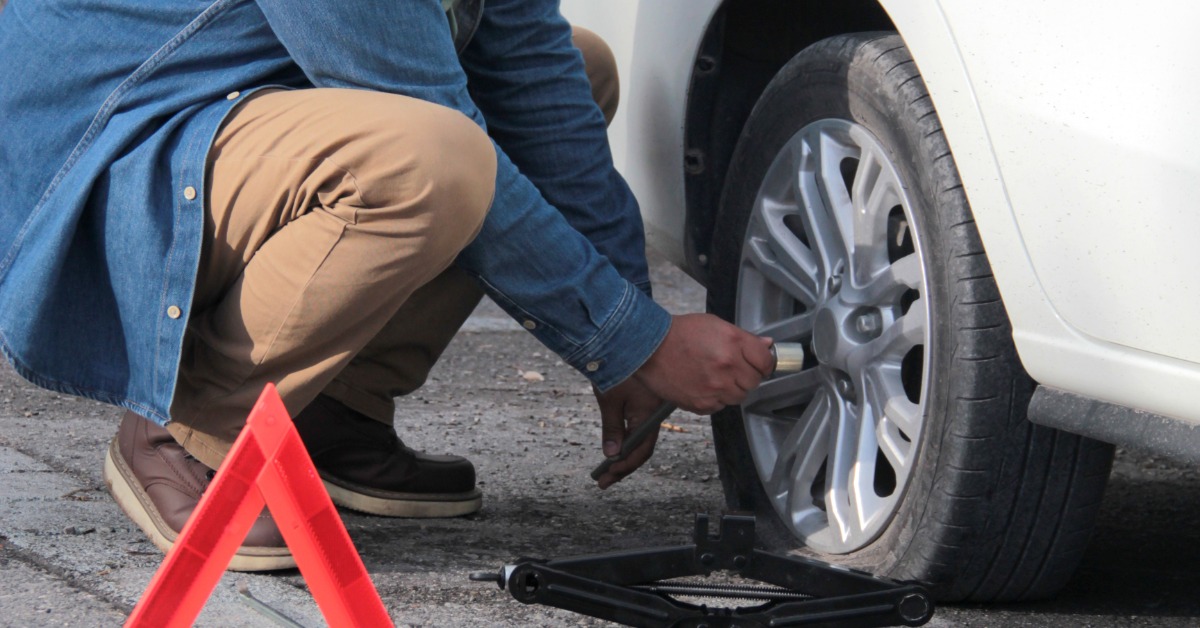
Installing the spare solves only the immediate emergency. It does not tell you why the original tire failed. The flat may have come from a nail, sidewall damage, impact with a pothole, low inflation, worn tread, or a valve problem. In some cases, you may be able to repair the tire instead of replacing it.
A professional inspection matters because the visible damage may not show the full story. A tire that lost air while driving may also have internal damage from being driven underinflated. If you keep focusing only on the spare and ignore the failed tire, you risk missing the root issue that caused the problem in the first place.
The best time to think about your spare tire is before you ever need it. Check it during routine vehicle maintenance and before road trips. Make sure it holds the correct pressure, the tread and sidewall look sound, and your jack and lug wrench are in the vehicle.
This simple habit can save you from getting stranded with a spare that is flat, dry-rotted, or unsafe to use. It also gives you confidence if a roadside emergency happens at night, in bad weather, or far from home. Prepared drivers make better decisions because they are not relying on guesswork when something goes wrong.
Driving on a spare tire can get you out of a difficult situation, but it should never feel like a permanent solution. Slow down, keep your trip short, avoid sudden maneuvers, and get the damaged tire inspected as soon as possible. If you’re driving on a spare and need a new tire, stop by the RNR Tire Express tire shop in Ocean Springs! Our tire experts will fit your vehicle with the ideal tires so you can drive home safely.
By signing up you agree to our Privacy Policy.