Maintenance
|
Jul 23, 2019
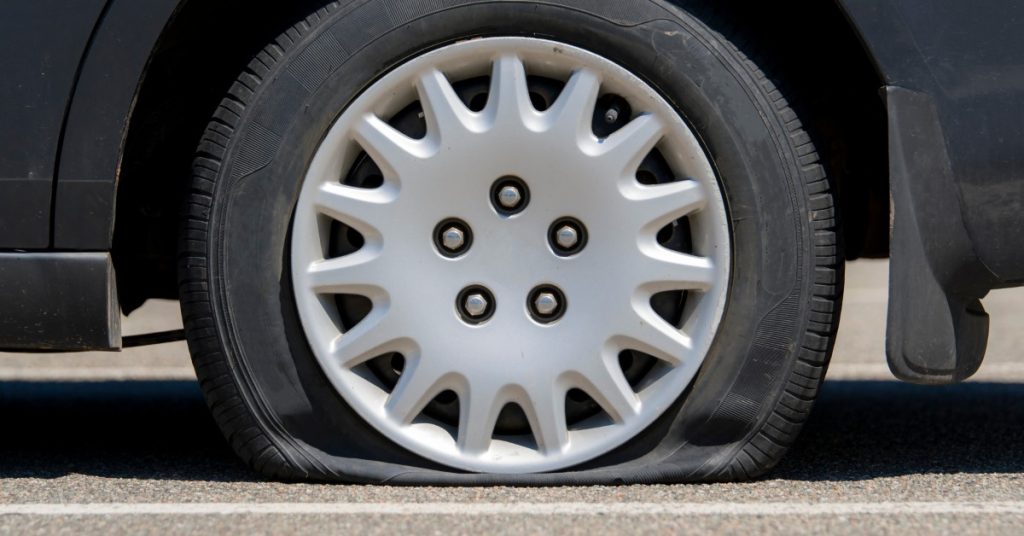
A flat tire can quickly turn a routine drive into a stressful situation. When a flat happens, some drivers may try to keep moving until they reach home, a parking lot, or the nearest service center. That choice can create bigger problems than the flat itself.
Driving on a flat tire puts your safety at risk and can damage the tire, wheel, and nearby vehicle components. Below, we break down what you need to know about driving on a flat tire.
A tire uses internal air pressure to carry weight. When that pressure is gone, the sidewall starts to collapse under the vehicle’s weight. That changes how the vehicle handles and puts extreme stress on parts of the tire that were never meant to support the car by themselves.
That is why a flat tire is never just a minor inconvenience. Even a short drive on a flat can grind down the sidewall, tear internal structures, and create heat that destroys the tire from the inside out. What could have been a simple repair may turn into a full replacement.
The first problem is tire damage. As the vehicle rolls forward, the road and the wheel pinch the flat tire between them. The rubber flexes too much, the internal layers break down, and the sidewall can shred within a very short distance. The second problem is wheel damage. When the tire loses its ability to cushion the wheel, the rim can contact the road surface or hard debris, bending, cracking, or scraping the wheel.
The third problem is control. A flat tire can make steering feel heavy, unstable, or unpredictable. Your vehicle may pull to one side, braking can become less consistent, and emergency maneuvers become harder to manage.
Safe driving depends on traction, balance, and predictable handling. A flat tire weakens all three elements. Your car will fail to respond the way you expect, especially during lane changes, turns, or sudden stops.
This matters even more at highway speeds. A flat tire increases instability and can make the vehicle feel loose or delayed in response. In wet conditions, heavy traffic, or nighttime driving, that loss of control becomes even more dangerous.
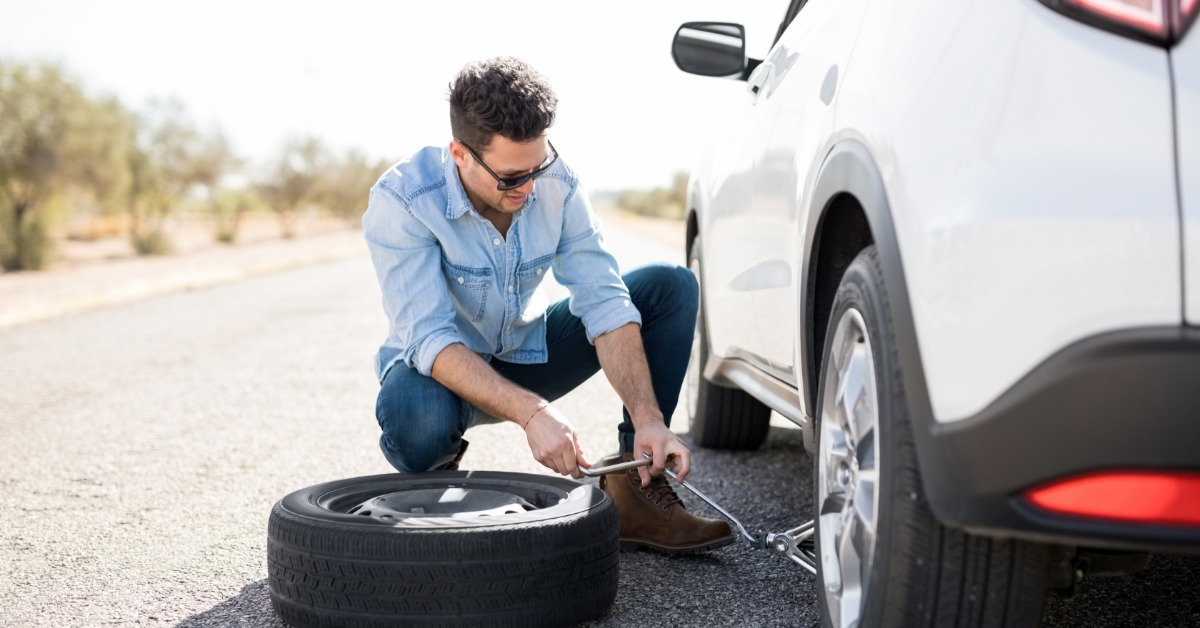
An important thing you need to know about driving on a flat tire is that it’s almost never a good idea. If the tire is fully flat, continuing to drive is the wrong move unless you are only moving the vehicle a very short distance to get out of immediate danger. Even then, the goal should be safety first, not convenience.
Some drivers try to push through because a repair shop is nearby. The problem is that tire damage happens fast. A short drive that feels manageable from behind the wheel may still ruin the tire and damage the wheel before you arrive.
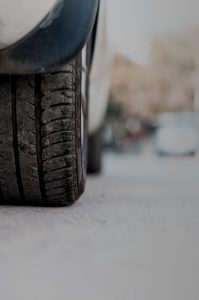
Not every flat happens with a dramatic blowout. In many cases, the warning signs start small and get worse quickly. Your vehicle may pull to one side, feel sluggish, or make a flapping or thumping sound from one corner.
You may also feel softer handling during turns or notice that the steering feels strange. In some vehicles, the tire pressure monitoring system will alert you before the tire goes completely flat. You should never ignore that warning.
The right move starts with staying calm. Turn on your hazard lights and slow down smoothly. Do not slam on the brakes or jerk the steering wheel. Ease the vehicle toward a safe location where you can stop away from traffic.
Once you stop, safely exit the vehicle and inspect the tire. If the tire is visibly flat, do not continue your trip on that tire. Use your spare if you know how to install it and if the conditions are safe. If not, call for roadside assistance. Remember that while a spare can help you get back on the road, it is still only a temporary solution.
Run-flat tires are different from standard tires because they can keep supporting the vehicle for a limited distance after a puncture or loss of pressure. That added support can help a driver get off the road and reach a service location without stopping immediately in a dangerous spot.
Even still, run-flat tires are not a free pass to keep driving as normal. They still have distance and speed limitations set by the manufacturer. If your vehicle uses run-flat tires, you should follow the tire and vehicle guidance closely and inspect the tire as soon as possible.
Many drivers assume they have more flexibility than they really do. The safer mindset is to treat any loss of tire pressure as urgent and get professional help before the problem grows.
You don’t need to replace every flat tire. In some situations, you may be able to repair the tire if the damage is small, located in a repairable area, and the internal structure is still intact. The key issue is whether you drove on the tire while it was underinflated or flat.
Once a tire has been driven on without enough air, internal damage may make repair unsafe even if the puncture itself looks minor from the outside. That is one reason fast action matters. The sooner you stop, the better the chance that the tire may still be serviceable.
A professional inspection is the best next step. A trained technician can check for sidewall damage, internal breakdown, and wheel issues before recommending a repair or replacement.
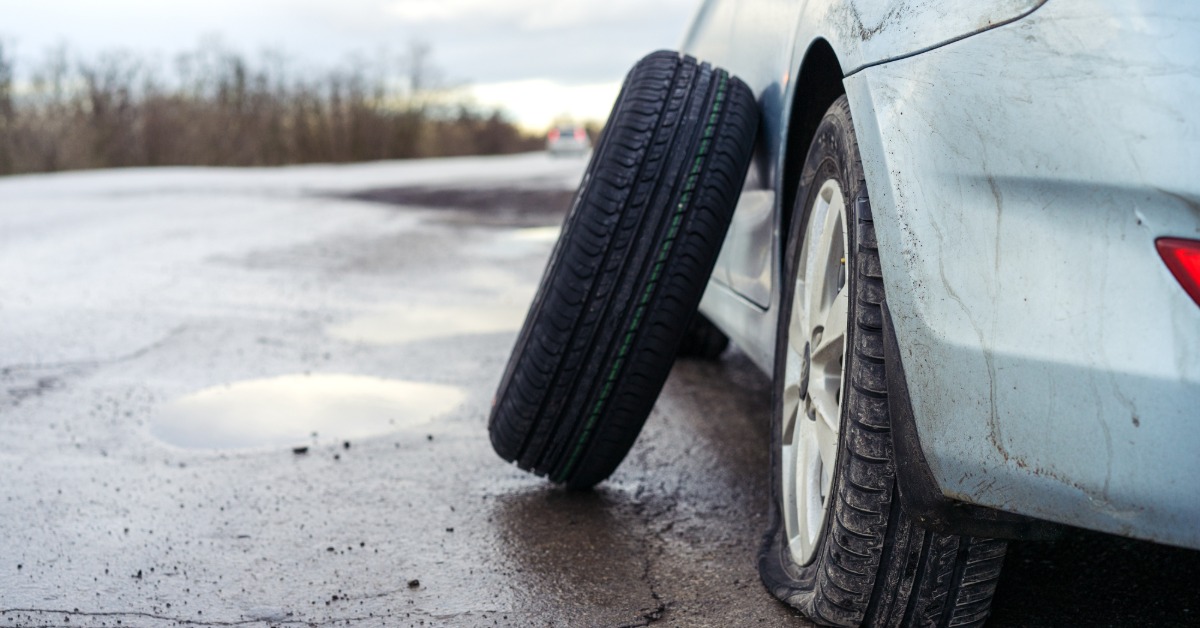
Good tire care reduces your chances of dealing with a flat in the first place. Check your tire pressure regularly, especially during temperature changes. Look for nails, cuts, uneven wear, or visible cracking before those issues become emergencies.
It also helps to know what equipment is in your vehicle. Make sure your spare is in usable condition, confirm that your jack and lug wrench are present, and know who to call if you need roadside assistance. Preparation makes a stressful moment easier to handle.
Routine inspections matter too. Worn, damaged, or incorrectly inflated tires are more vulnerable to failure. Staying ahead of those issues protects your safety and helps you avoid more expensive repairs later.
Driving on a flat tire can destroy the tire, damage the wheel, and reduce your control of the vehicle. What feels like a short-term fix can turn into a much larger safety and repair issue. The smartest move is to stop as soon as it is safe, inspect the situation, and switch to a spare or call for help.
If your car has a flat and you need to find new tires in Memphis, RNR Tire Express is here to help. Browse our inventory of tires online, or book an appointment with one of our tire experts today!
By signing up you agree to our Privacy Policy.