Tires
|
May 30, 2019

Tires handle every mile your vehicle travels, so a safety defect deserves prompt attention. A tire recall means a manufacturer or the National Highway Traffic Safety Administration (NHTSA) has identified a safety-related problem that may affect a particular tire line, size, or production range. The issue may involve the tire’s structure, materials, labeling, or another defect that could raise the risk of failure.
Drivers sometimes assume a recall only matters if a tire already looks damaged. That isn’t always the case. A recalled tire may appear normal from the outside, which makes recall checks a useful part of routine vehicle care.
RNR Tire Express helps drivers understand what they need to know about tire recalls and safety. If you receive a recall notice or suspect a manufacturing defect is affecting your tires, review the information promptly and speak with a qualified tire professional about the next step.
A recall begins when a tire manufacturer determines that a product contains a safety-related defect or fails to meet applicable federal safety standards. NHTSA may also investigate potential defects and oversee recalls. Federal tire identification requirements exist in part to trace tires in the event of a recall.
A recall doesn’t necessarily mean every tire from a brand is defective. The notice typically identifies a particular product line and production range. That distinction matters because two tires with the same brand and model name may come from different production periods.
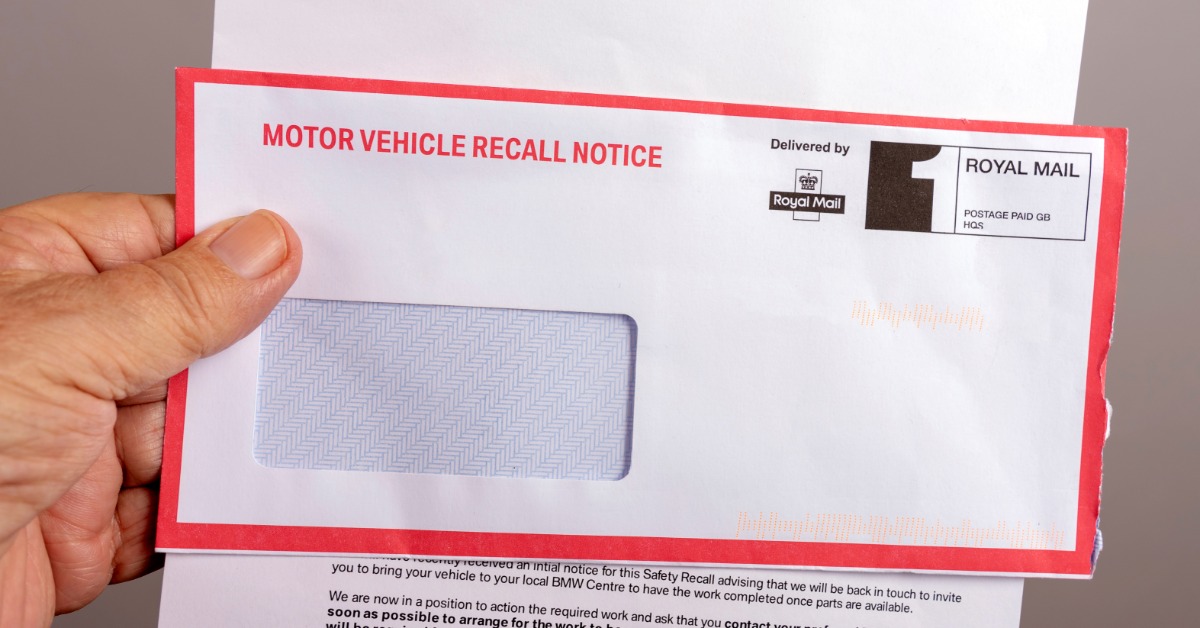
The manufacturer’s recall notice should explain the defect, identify affected tires, describe the potential hazard, and provide instructions for owners. Follow those instructions rather than waiting for visible symptoms to appear.
The tire identification number (TIN) provides information that helps identify a tire. Federal regulations require manufacturers to place this identification on the tire sidewall, and the number plays a direct role in recall tracing.
Drivers who need tires in Vicksburg, MS, may see several groups of letters and numbers molded into the sidewall. Look for the sequence associated with the Department of Transportation (DOT) marking. The final four digits of a modern TIN show the week and year of manufacture. For example: A date code of 2425 would indicate production during the 24th week of 2025.
You may need to inspect both sides of the tire. The complete TIN, including the date code, may appear on only one side. A tire shop can help locate and record the number if access to the inward-facing side becomes difficult.
The NHTSA also provides an online recall lookup tool for vehicles, tires, car seats, and other automotive equipment. A tire search can return recall information for the product, which gives drivers another way to check for safety notices.
An important thing to know about tire recalls and safety is that a recall addresses more than routine wear. The underlying defect may affect the tire’s ability to perform to its full capability.
Some defects can increase the chance of tread separation, air loss, or another form of tire failure. The precise risk depends on the recall, so drivers should read the notice carefully instead of assuming every recall presents the same hazard.
Road conditions can add further stress. Heat, highway speeds, heavy loads, potholes, and long travel distances all place demands on tires. A defect that compromises tire construction can become more concerning under those conditions.
Start by confirming that the tire identification information matches the recall notice. Compare the tire brand, model, size, and applicable TIN range before taking further action.
Next, follow the remedy instructions in the recall. Typically, drivers should immediately contact the retailer for recalls involving tires and other automotive equipment. Recall remedies address the specific safety defect, and the manufacturer’s notice should explain the available process.
Don’t rely on appearance alone before you act. A tire can fall within a recalled production group while still looking stable and capable.
If the recall includes specific restrictions, follow them exactly. Safety notices may contain special instructions based on the nature of the defect. Keep a copy of the notice or recall information available until you resolve the issue.
Recording tire information when you purchase a new set can save time later. Keep the brand, model, size, and TIN with your vehicle records.
You can also check recall databases periodically rather than relying only on a mailed notice. Drivers should regularly check for safety recall alerts through NHTSA resources.
This habit becomes especially useful after a move or a change in vehicle ownership records. Contact information can change, but your tire identification numbers remain on the tires.
A recall addresses a defect in the product. Routine maintenance deals with the condition that develops through everyday use.
Drivers still must check tire pressure, tread condition, and visible damage even when no recall applies. Drivers should bring in their vehicle for regular tire inspections that include inflation pressure, tread wear, and tire damage. Rotation, balance, and alignment also contribute to normal tire care.
Watch for cuts, cracks, bulges, unusual wear, pressure loss, vibration, or changes in road feel. These signs don’t automatically indicate a recall, but they can signal that a tire needs professional attention.
Production dates matter beyond recalls because tires change as they age. Tires become more vulnerable as they age, which is why it’s generally best to replace them after six to 10 years, regardless of tread wear.
Age alone doesn’t tell the whole story. Tire condition, manufacturer guidance, storage history, road use, and exposure can also affect service life.
The TIN date code gives you a practical reference point. Once you know the manufacture date for a tire, you can compare its age with manufacturer recommendations and discuss its condition with a tire professional.
Don’t forget the spare. Full-size spare tires age even if they spend most of their lives in the trunk or underneath the vehicle.

Tire recalls can sound complex at first, but the process becomes easier once you know where to look. Find the TIN, compare it with official recall information, and follow the remedy instructions for any affected tire.
Routine tire care still matters after a recall check comes back clear. Keep an eye on pressure, tread condition, visible damage, and tire age so small concerns don’t go unnoticed.
RNR Tire Express serves drivers who need tires, wheels, alignments, and flexible payment options for their vehicles. If you need help reviewing your current tires or choosing replacements, contact your local RNR Tire Express and speak with the team about the options that fit your vehicle and budget.
By signing up you agree to our Privacy Policy.