Maintenance
|
Jul 23, 2019
If your car feels off, you might assume you need new tires or a bigger repair. In reality, two routine services solve most uneven-wear and handling complaints: wheel alignment and tire rotation. They sound similar because both protect your tread and help your ride feel smoother, but they fix different problems.
When you understand what each service does, you can choose the right one on the first try. Keep reading to understand more about wheel alignments and tire rotations to help you determine which your car needs.
A tire rotation changes where each tire sits on your vehicle. Your front tires wear differently than your rear tires, especially on front-wheel-drive vehicles. By rotating them, you spread wear more evenly, which helps all four tires last longer.
Rotation does not change how your wheels point or how your car steers. It simply gives each tire a chance to work in a different position. That reduces the chance one tire wears down early while the others still have usable tread.
Different positions carry different loads and handle different forces. Front tires frequently handle more turning and braking, and they can scrub tread faster. Rear tires may wear more slowly, but they can develop their own wear patterns depending on alignment, inflation, and driving habits.
Even if you drive gently, the wear caused by everyday turns, stop-and-go traffic, and hot pavement adds up. Rotation acts like a reset that keeps wear patterns from getting too extreme.
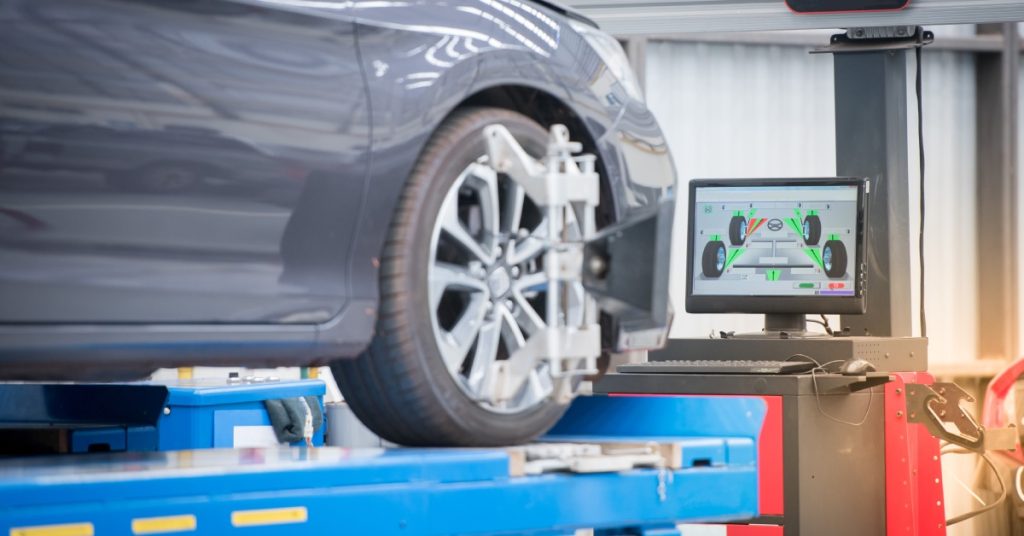
A wheel alignment adjusts your suspension angles so that your tires meet the road correctly. Your technician sets angles like camber, caster, and toe to match manufacturer specifications. When those angles drift, your tires can drag or tilt, which causes rapid wear and steering issues.
Alignment does not move tires from front to back like a rotation. It changes how the wheels track down the road. When alignment stays correct, your vehicle drives straighter, your steering feels more predictable, and your tires wear more evenly.
You don’t need a crash to throw alignment off. A hard pothole hit, a curb bump, or rough road sections can shift components over time. Worn suspension parts can also let angles drift, especially as mileage climbs.
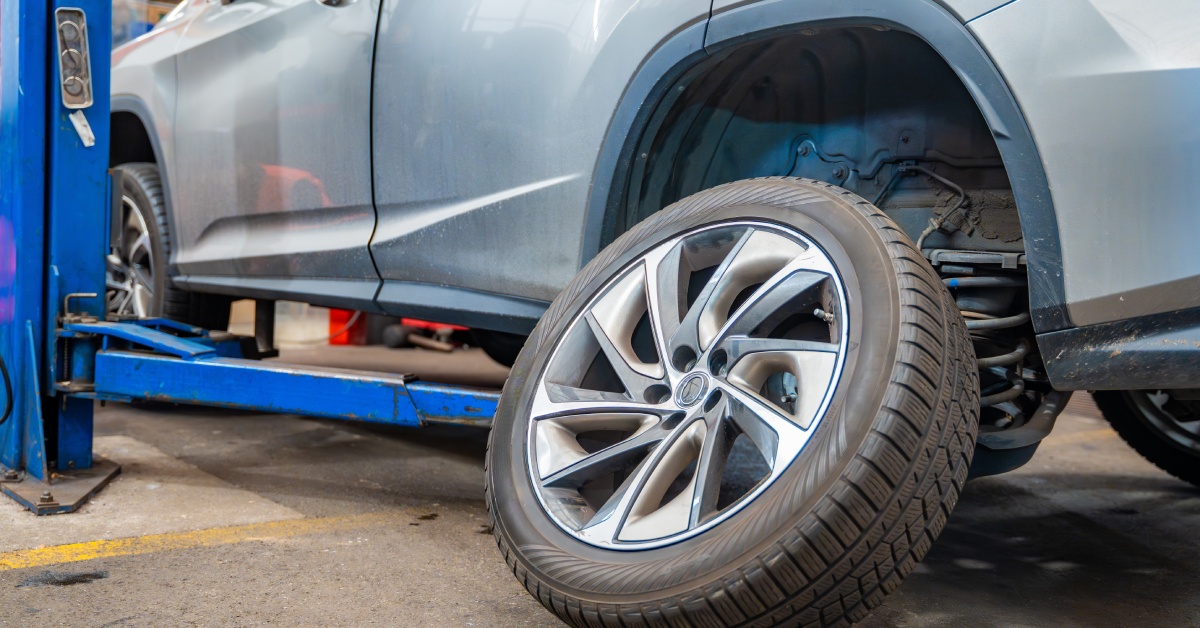
Your car usually gives clues about whether you need a wheel alignment, tire rotation, or both. The trick is matching the symptoms to the service that solves it.
Rotation makes sense when you see uneven wear between front and rear tires, but the vehicle still drives straight. You may notice the front tread looks lower than the rear, or you may feel more road noise from one end of the car. If you stay on schedule and keep tire pressure correct, rotation frequently restores even wear before it becomes a bigger issue.
Rotation also helps when your tires show minor feathering or early wear differences that haven’t become severe. Addressing it now can protect the remaining tread.
Alignment becomes the priority when your vehicle pulls left or right on a straight road. You might also notice the steering wheel sits off-center even when you drive straight. If the car feels unstable, wanders, or needs constant correction, alignment usually solves it.
Look closely at your tread, too. Alignment problems typically create wear on one edge, or they cause a scrubbed look that shows your tires are sliding slightly instead of rolling cleanly.
Sometimes both services matter, especially if you skipped maintenance for a while. If alignment sits out of spec, it can create uneven wear that rotation can’t erase. In that case, rotation helps distribute remaining tread, but alignment stops the damage from continuing.
If you feel pulling and see front-to-rear wear differences, expect a technician to recommend both services. That combination delivers the best chance of extending tire life.
Most vehicles do well with rotations at regular intervals tied to mileage or oil changes. Instead of chasing a perfect number, focus on consistency. Rotating on time prevents uneven patterns from becoming permanent.
Heat can accelerate wear, especially if you frequently drive on warm pavement and make lots of short trips. If you drive a lot of city miles, rotation matters even more because frequent turning and braking increase front tire wear.
Think of alignment as an as-needed service, with a few common triggers. Schedule an alignment after a noticeable pothole hit or curb bump, after suspension work, or when you replace tires. New tires deserve a good alignment because worn angles can ruin fresh tread quickly.
If you notice pulling, off-center steering, or fast edge wear, book an alignment sooner rather than later. Waiting usually costs more because it wastes tread that you can’t get back.
Skipping rotation can shorten tire life because one pair wears out early. That can force you to replace tires sooner, and it can also affect traction and braking performance. Uneven wear can create vibration and noise that makes your ride feel rough.
Skipping alignment can do even more damage. Bad alignment can chew through the tread rapidly and make the vehicle harder to control, especially in the rain. It can also stress suspension components and reduce fuel efficiency because the tires drag instead of rolling smoothly.

Rotation and alignment work best when you also keep tire pressure in the correct range. Underinflation creates heat and shoulder wear, while overinflation can wear the center of the tread. Pressure also affects how the car feels, so it can mimic alignment issues in some cases.
Balancing matters when you feel vibration at certain speeds. Balance does not fix pulling, but it can restore smoothness and reduce uneven wear from bouncing. If your steering wheel shakes, ask your technician to check the balance along with the tread condition.
Start with a quick tread and steering check. If the vehicle pulls, the wheel sits crooked, or edge wear looks obvious, prioritize alignment. If the car drives straight but one end shows more wear, prioritize rotation.
When you aren’t sure, let a shop inspect the tires and steering behavior. A good inspection takes the guesswork out and helps you avoid paying for services you don’t need.
If you’re shopping for tires in Montgomery, you’ll get better results when you pair the right tire choice with the right maintenance plan. At RNR Tire Express in Montgomery, Alabama, our team can check wear patterns, explain whether you need a rotation, an alignment, or both, and help you protect your tread for the long haul. We also offer flexible payment options, so you can stay safe on the road without putting off needed service. Stop by RNR Tire Express in Montgomery today for a tire and alignment check, and let our team help you decide whether you need a wheel alignment, a tire rotation, or both.
By signing up you agree to our Privacy Policy.