Tires
|
May 30, 2019
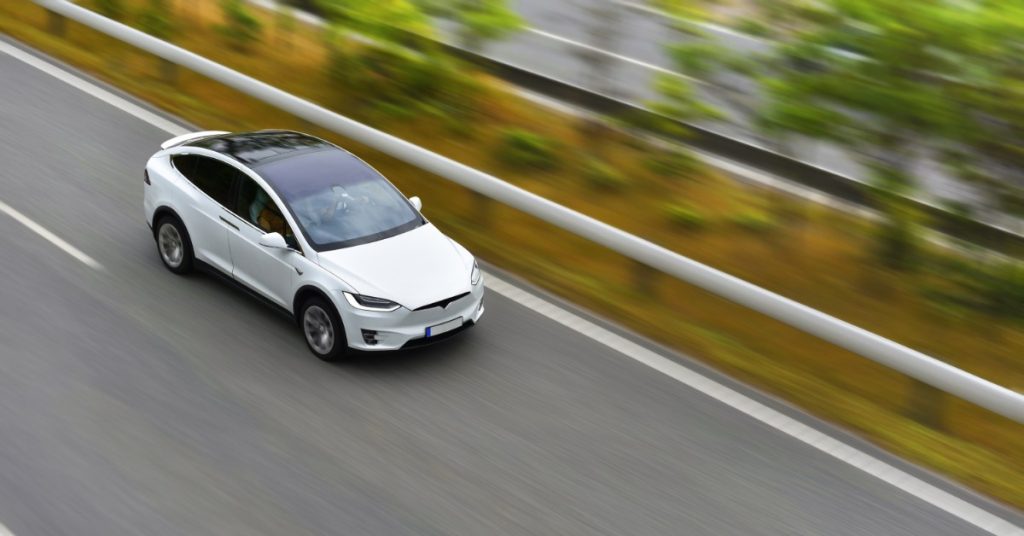
Electric vehicles continue to gain popularity as drivers seek lower operating costs, instant acceleration, and reduced emissions. While EVs share many similarities with traditional vehicles, they place very different demands on tires. Many drivers notice that EV tires often wear at a different rate than tires on comparable gas-powered vehicles.
Understanding why EV tires wear differently from gas cars helps drivers make smarter purchasing and maintenance decisions. Tire wear affects safety, ride quality, efficiency, and long-term ownership costs. Knowing the factors behind EV tire wear can also help drivers select products designed specifically for electric vehicles.
One of the biggest reasons EV tires wear differently involves vehicle weight. Electric vehicles carry large battery packs that add significant mass compared to similar gas-powered models. That extra weight creates greater pressure on the tire contact patch every time the vehicle moves.
Higher weight increases the friction between the tire and the road surface. As a result, tread blocks experience more stress during acceleration, braking, and cornering. Over time, this added load can cause tires to wear faster than those on lighter vehicles.
Electric motors deliver maximum torque almost immediately. Unlike gasoline engines that build power gradually, EV powertrains produce strong acceleration the moment drivers press the accelerator. This characteristic creates a unique challenge for tire longevity.
Rapid torque transfer places greater strain on tread compounds. Aggressive acceleration can increase tire wear because the tread must grip the pavement while managing substantial force. Even drivers who accelerate moderately may notice different wear patterns compared to traditional vehicles.
Most electric vehicles use regenerative braking systems to recover energy during deceleration. This technology slows the vehicle by allowing the electric motor to act as a generator. While regenerative braking improves efficiency, it also changes how forces are distributed across the tires.
Frequent regenerative braking places additional demands on certain tire positions, depending on the vehicle’s design. The tires must repeatedly manage acceleration and deceleration forces throughout daily driving. These unique load cycles can contribute to wear patterns that differ from those found on gas-powered vehicles.
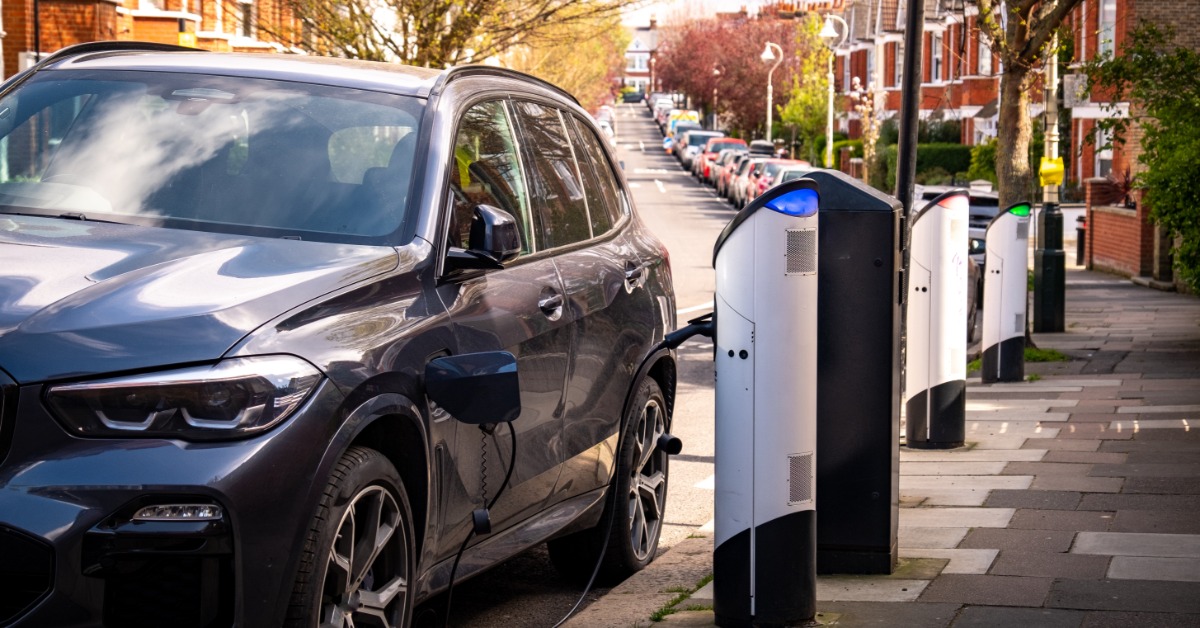
Manufacturers design many EV tires with low-rolling-resistance technology. Lower rolling resistance helps maximize driving range by reducing energy loss as the tire rolls down the road. This design approach supports efficiency but also influences tread construction and compound selection.
Engineers balance efficiency and durability when creating EV-specific tires. Different compound formulations may produce wear characteristics that differ from those of traditional touring tires. Drivers who replace factory-equipped EV tires with standard alternatives may notice changes in both range and tread life.
Manufacturers also use advanced materials to help reduce heat buildup during operation. Lower operating temperatures can improve efficiency, but they may affect how the tread responds to different road conditions. Tire designers carefully test these compounds to ensure consistent performance throughout the tire’s lifespan.
Electric vehicles require tires capable of handling multiple challenges simultaneously. These tires must support heavier loads, manage instant torque, reduce road noise, and maintain efficiency. Meeting all these requirements demands specialized engineering.
Many EV tire designs feature reinforced sidewalls and optimized tread patterns. Manufacturers often use stronger internal structures to support additional weight without sacrificing ride comfort. These design elements help improve durability while maintaining the performance drivers expect from modern electric vehicles.
Electric vehicles operate much more quietly than gas-powered vehicles. Without engine noise masking road sounds, tire noise becomes more noticeable inside the cabin. Tire manufacturers respond by creating tread designs that reduce vibration and sound levels.
Noise-reduction technologies sometimes alter tread block arrangements and tire construction. These changes affect how the tire interacts with road surfaces over time. As a result, wear characteristics may differ from traditional tires designed primarily for internal combustion vehicles.
Proper maintenance plays a major role in maximizing EV tire life. Since electric vehicles place greater demands on tires, neglecting routine care can accelerate wear. Consistent inspections help drivers identify issues before they become expensive problems.
Several maintenance practices help extend tire life:
These simple habits can significantly improve tire performance and longevity. Regular maintenance also helps preserve efficiency and driving range.
Tire pressure directly impacts both tire wear and EV performance. Underinflated tires increase rolling resistance, forcing the vehicle to use more energy. This increased resistance generates excess heat and accelerates tread wear.
Overinflated tires create their own problems by concentrating vehicle weight on the center of the tread. Uneven pressure distribution can shorten tire life and reduce traction. Maintaining manufacturer-recommended pressure levels helps balance efficiency, handling, and tread longevity.

Driving style significantly influences how quickly EV tires wear. Instant torque makes it easy for drivers to accelerate aggressively without realizing how much stress they place on the tread. Frequent hard launches and abrupt stops can considerably shorten tire life.
Smooth acceleration and controlled braking reduce unnecessary strain on tire components. Drivers who adopt gentler habits often experience better tread life and improved vehicle efficiency. Consistent driving behavior also promotes more even wear across all four tires.
In areas where EV ownership continues to grow, drivers frequently visit a trusted RNR Tire Express for assistance. Our tire shop in Lubbock can help you find tire options designed for your electric vehicles and their unique operating demands.
Tire manufacturers continue investing heavily in EV-focused technology. As electric vehicles become more common, demand for specialized tires grows across every market segment. Companies now develop products specifically tailored to the weight, torque, efficiency, and comfort requirements of EV ownership.
New tread compounds and advanced noise-reduction technologies continue entering the market. These innovations help improve durability while maintaining the efficiency drivers expect. Future developments will likely deliver even better tread life and overall performance.
Selecting the correct replacement tire remains one of the most important decisions EV owners can make. Not all tires provide the same balance of efficiency and comfort, so it is important to choose products designed for electric vehicles, which often helps maximize overall performance.
Drivers should consider load ratings and manufacturer recommendations before making a purchase. Professional tire experts can help identify options that match driving habits and vehicle requirements. The right tire selection supports safety and long-term value.
Electric vehicle tires wear differently from gas car tires because they operate under unique conditions. Increased vehicle weight and efficiency-focused designs all influence how tread wears over time. These factors create different challenges that require specialized tire technology and consistent maintenance.
Understanding the causes of EV tire wear helps drivers protect their investment and improve overall vehicle performance. Regular inspections, proper inflation, routine rotations, and smart tire selection all contribute to longer tread life.
RNR Tire Express helps drivers find quality tires designed for modern electric vehicles while offering flexible payment options that make tire replacement more convenient and affordable. Visit our tire shop today to find the best tire options for your vehicle.
By signing up you agree to our Privacy Policy.