Maintenance
|
Jul 23, 2019

A vacation should begin with excitement about the destination, not worry about a tire problem halfway down the highway. Yet drivers can spend days planning routes, packing luggage, and booking hotels without giving their tires a close look.
Tire safety checks matter before vacations because they help prevent avoidable trouble before a long drive puts extra demands on your vehicle. Keep reading to understand the importance of inspecting your tires before a long trip and learn how to ensure your tires are ready for the long haul.
Your everyday commute may involve short stretches of familiar pavement. Vacation travel creates a different situation. Hours at highway speeds generate heat inside tires, and a loaded vehicle adds work for them to handle. A tire with low pressure or existing damage may struggle under those conditions.
A flat tire near home can be inconvenient, but a roadside stop far from familiar services can disrupt an entire vacation. A pre-trip check gives you an opportunity to catch visible damage, inadequate tread, or improper inflation before the car reaches the interstate.
Tires flex as they roll, which naturally creates heat. Underinflation increases that flex and can raise the risk of tire failure. You can’t judge pressure by looking at a tire, so a gauge belongs in your preparation kit.
Start with the manufacturer’s recommended cold tire pressure. You’ll find it on the vehicle’s tire information label, usually inside the driver’s door area, or in the owner’s manual. The number on the tire sidewall describes its maximum rated inflation pressure, not the pressure your vehicle necessarily needs.
Measure pressure before driving or after the vehicle has been parked for at least three hours. Check every road tire and the spare, if your vehicle has one. Drivers preparing for extended travel can visit the RNR Tire Express tire shop in Panama City, FL, for help with a pressure check and a closer inspection.
Tire safety checks matter before vacations because you can’t always depend on your vehicle’s automatic systems and sensors. A tire pressure monitoring system (TPMS) provides a useful alert, but it doesn’t replace a pressure gauge. A manual check helps identify smaller pressure changes before your trip begins.
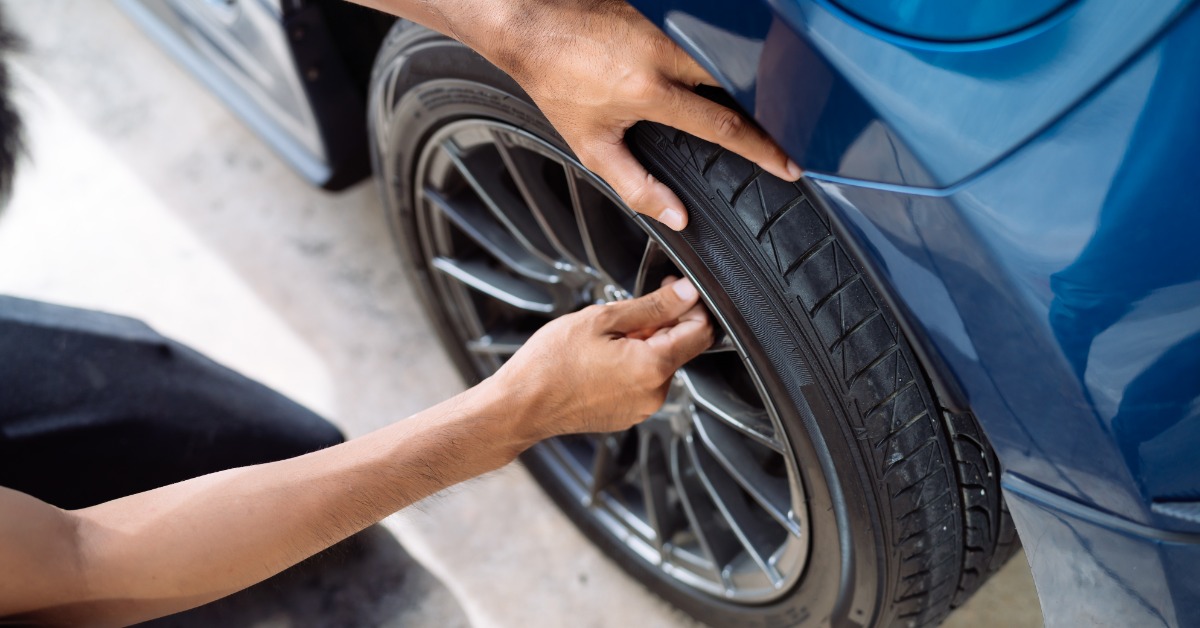
Vacation weather rarely follows your set itinerary. Tire tread channels water away from the contact area, helping the rubber maintain traction on wet roads. Worn tread reduces that ability and can increase the risk of hydroplaning.
Use a tread depth gauge for a more precise measurement. As a quick screening method, use the penny test.
Check the tread across its entire width. One shoulder may show greater wear than the middle, or one tire may look noticeably different from the others. Those patterns can point to inflation problems, alignment concerns, or suspension issues.
A tire can have plenty of tread and still be unsafe for a long trip. Look for cuts, embedded objects, cracks, and raised bubbles on the sidewalls. A bulge can indicate damage to the tire’s internal structure and calls for prompt professional evaluation. Don’t begin a vacation drive on a tire with a visible bulge.
Pay attention to what the vehicle tells you on regular drives, too. A new vibration, repeated loss of air, or unusual thumping deserves an inspection.
Low mileage doesn’t guarantee healthy tires. Find the tire identification number on the sidewall; its final four digits identify the production week and year. Consult your vehicle and tire manufacturers’ recommendations about when to replace old tires.
A vehicle that drifts to one side can make a lengthy drive more tiring. Incorrect wheel alignment can also contribute to uneven tire wear. If the steering wheel sits off-center on a straight road or you notice unusual wear patterns, arrange a professional assessment before leaving.
Wheel balance affects comfort in a different way. An imbalance can cause vibration that becomes more noticeable at certain speeds. A technician can check the wheel and tire assemblies and recommend service when necessary.
A packed trunk changes how much weight your tires support. Add passengers, coolers, and vacation supplies, and your vehicle may carry far more than it does during an ordinary workweek. Check the vehicle’s load limits on its tire and loading information label.
Distribute your belongings securely and avoid exceeding the vehicle’s capacity rating. Use the manufacturer’s pressure guidance for your vehicle and load, if different recommendations apply.
Even a thorough inspection can’t eliminate every road hazard. Before departure, confirm that your spare inflates properly and that the jack and lug wrench are present, if your vehicle includes them. Some newer vehicles use a repair kit instead of a spare, so know which equipment you have.
Save your roadside assistance information somewhere accessible without an internet connection. If a tire loses air or your vehicle starts to handle unpredictably, pull over when you can do so safely. Never continue highway travel on an unsafe tire just to reach the next exit.

Set aside time a few days before travel instead of leaving every check until departure morning. A practical inspection should cover:
That schedule leaves room to arrange repairs or replacement tires without disrupting your plans.
Consider the roads on your route as well. Long stretches of interstate, rural highways, and city traffic place different demands on tires. If your plans include a mountain route or several hours of summer heat, tell the technician about the trip.
The best road trips leave room for scenic stops and unexpected discoveries, not preventable tire emergencies. Checking the condition and safety of your vehicle’s tires before setting out helps you spot pressure problems, damaged rubber, and wear patterns before travel magnifies the consequences. A few deliberate checks can also improve comfort and help protect your vehicle from unnecessary tire wear.
Before your next getaway, contact RNR Tire Express to schedule a tire check or discuss tires that may need replacement. Our team can help you review your options and prepare for the miles ahead, so your attention stays on the vacation instead of the roadside.
By signing up you agree to our Privacy Policy.