Wheels
|
Jul 1, 2019
You just invested in a brand-new set of tires, so the last thing you want is to watch them wear out faster than they should. Most drivers focus on the rubber itself and overlook a critical step that can affect tire life from day one: the need for an alignment after replacing your tires. Proper alignment helps your new tires perform as they were designed to, giving you a smoother ride and protecting your investment mile after mile.
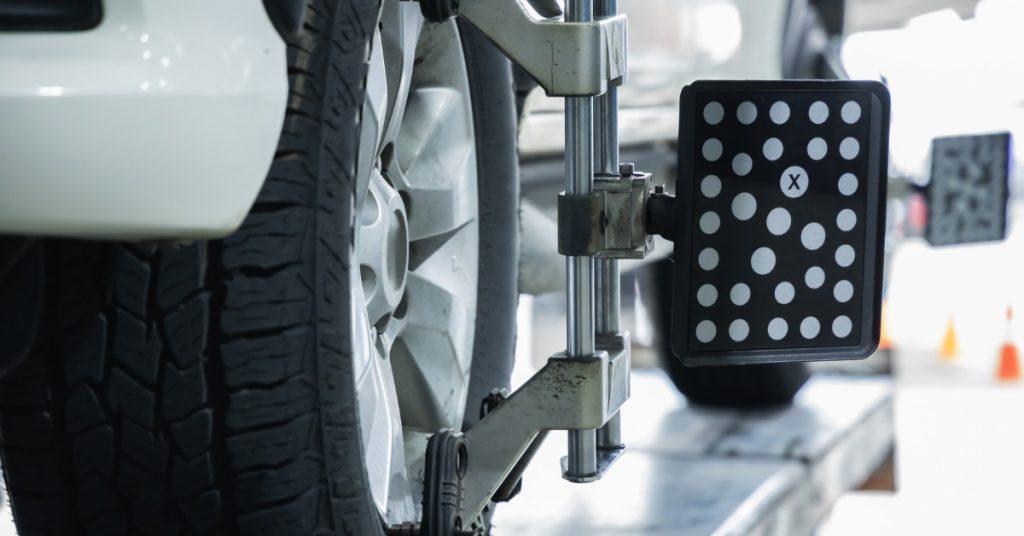
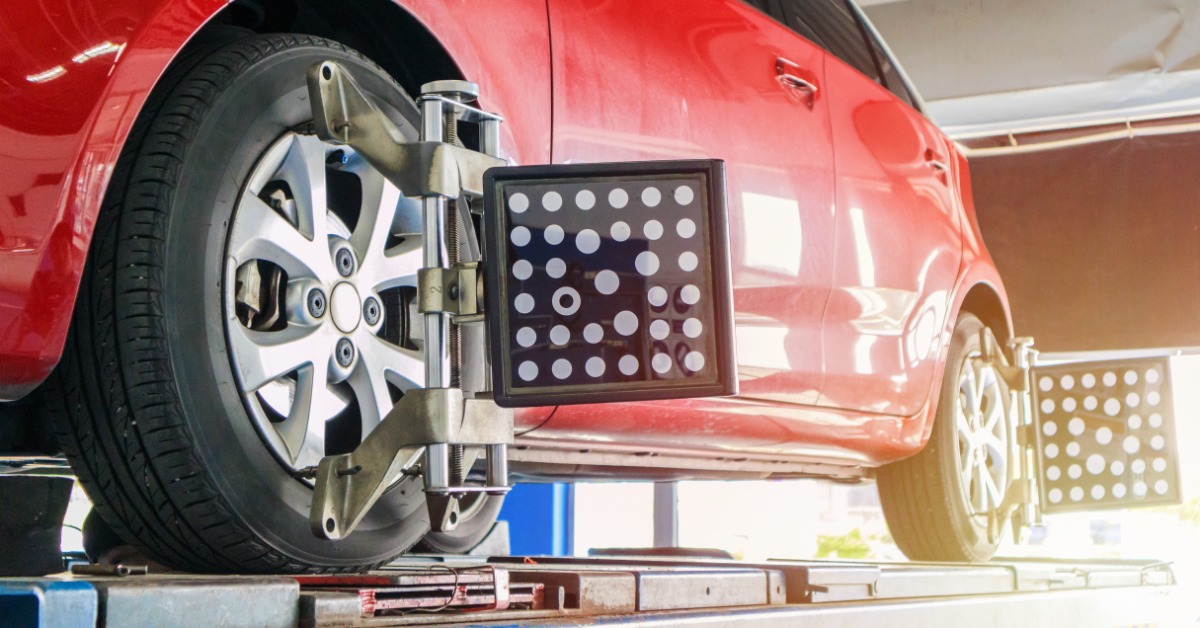
A wheel alignment involves fine-tuning the position and angles of the wheels to match the vehicle manufacturer’s specifications. Technicians measure key angles such as camber, caster, and toe, then make corrections that ensure the tires roll straight and evenly.
This service does not move the tire on the wheel. It changes how the wheel assembly tracks as your vehicle travels down the road. When those angles are correct, your tires keep steadier contact with the pavement. The result is predictable handling and a smoother driving experience every time you get behind the wheel.
Drivers sometimes think new tires solve every ride problem, but tire replacement and alignment solve different issues. New tires restore tread, while alignment restores the direction and angle of the wheels supporting that tread. That difference is important when you invest in new tires.
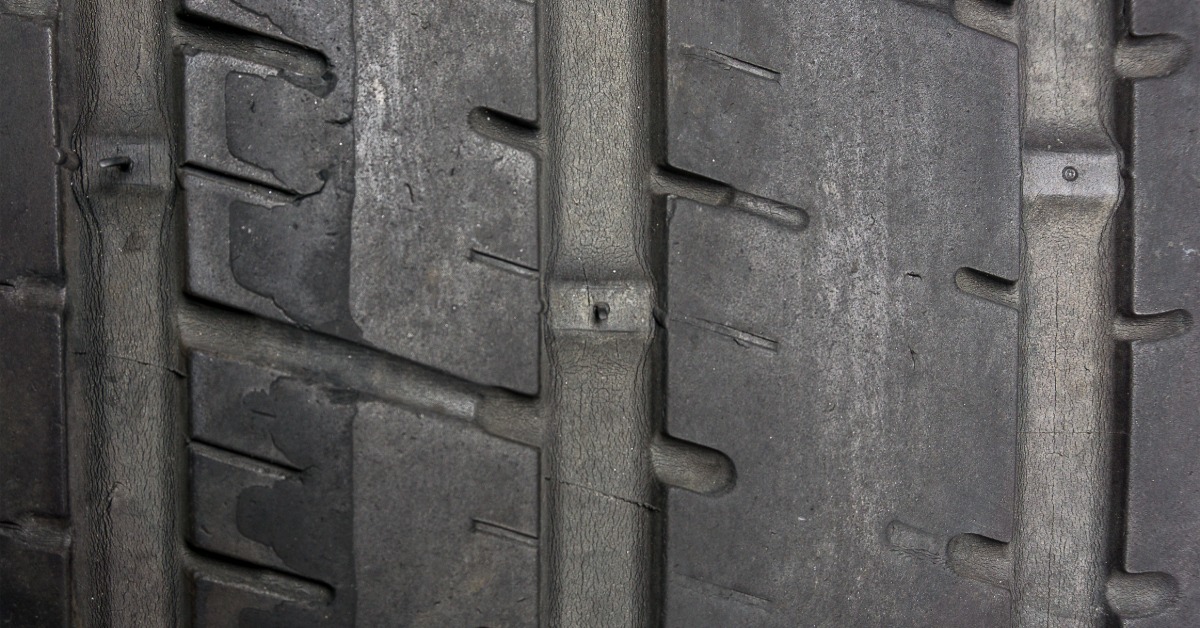
Uneven tire wear usually begins before it looks serious. A wheel that points slightly inward or outward scrubs the tread as it rolls, which slowly shaves rubber from one area faster than the rest.
New tires have clean, even tread blocks, so poor alignment can leave visible wear after only a relatively short time on the road. An alignment gives the tread a fair start because each tire carries road contact more evenly. That steady contact proves valuable during everyday driving, where small errors add up mile after mile.
Tire life depends on more than tread depth at the time of purchase. The way your vehicle holds the tire against the road affects how much usable mileage you receive.
When alignment angles stay within spec, the tire works closer to its intended design. That means the rubber is not wasted fighting against drag from a misdirected wheel. More of the tread remains available for the miles ahead.
A vehicle with poor alignment might pull or require constant small steering corrections. Those changes make normal driving more tiring because the vehicle never seems to settle into a straight path.
After new tire installation, proper alignment helps the steering respond in a more centered and predictable way. The vehicle responds more cleanly because the tires are not trying to travel in competing directions.
Misaligned wheels create resistance between the tire and the road. That extra drag makes the engine work harder to keep the vehicle moving at the same speed.
Correct alignment reduces that wasted effort. The difference might seem small on a single short drive, but over time, smoother rolling improves fuel efficiency. It is one of the quieter ways tire care supports the whole vehicle.
Your tires are the only parts of your vehicle that touch the road, so their position affects braking and control. When alignment is off, the tire contact patch might not work as evenly as it should.
That uneven contact shows up during quick stops, wet roads, or sudden steering adjustments. Proper alignment ensures your new tires respond with more stability when the road demands it. A steadier vehicle gives you a better chance to react calmly.
Not sure whether your vehicle is due for an alignment check? Watch for these common warning signs that can indicate your wheels are no longer tracking properly:
Skipping an alignment after new tire installation invites old problems to damage fresh tread. The vehicle might still drive, but the tires could start wearing unevenly within a short time.
The bigger issue is lost value. You paid for new tread, yet poor alignment grinds away the part of the tire that gives you mileage and ride comfort. Once that wear pattern develops, the tire will not return to a perfectly even shape.
Tire balancing and wheel alignment are different services. Balancing corrects the weight distribution around the tire and wheel assembly so that the assembly spins smoothly.
Alignment corrects the direction and angle of the vehicle’s wheels. If you feel vibration, balancing might be involved, but if the vehicle pulls or shows uneven wear, alignment is the service to check.
You should get an alignment when you replace tires, after hitting a curb or pothole, or when steering behavior changes. Suspension repairs are another smart time to schedule the service.
Routine checks catch small changes before they shorten tire life. Many drivers build alignment into regular tire care because road impacts gradually knock angles out of spec. A quick check is much easier than replacing tires sooner than planned.
You might drive away after new tires without an immediate alignment, but it is not the best way to protect them. If your vehicle already had alignment trouble, the new tires will not correct it.
The safer approach is to have the alignment checked during or soon after installation. That way, you know the new tread is not starting its life under unnecessary stress. It keeps your tire purchase connected to the road the right way from the beginning.
New tires should leave you feeling confident every time you turn the key, not wondering whether uneven wear is already setting in beneath your vehicle. RNR Tire Express helps drivers choose tires in Gulfport that fit their vehicle and budget, with payment options that make the next set easier to plan around.
Every mile makes your suspension, steering, and tires work together. This is the reason small adjustments make a noticeable difference in how your vehicle handles. Understanding why you need an alignment after replacing your tires protects your investment and supports better performance over time. For expert tire services and support, RNR Tire Express is here to help keep your vehicle road-ready.
By signing up you agree to our Privacy Policy.