Tires
|
May 30, 2019
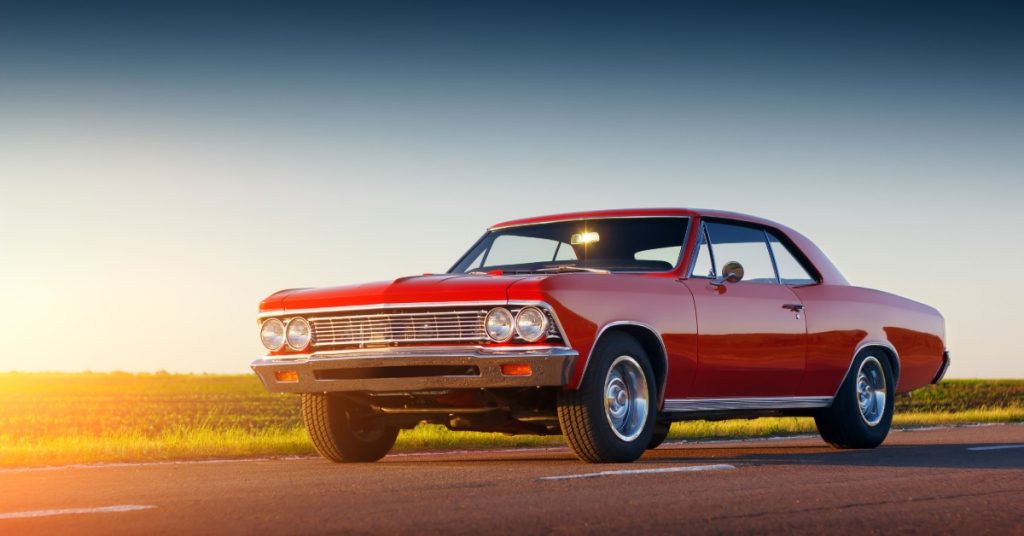
Classic cars deserve more than a quick tire replacement. The right set of tires supports the way the vehicle handles, protects ride quality, and helps preserve the look that made the car special in the first place. A poor match can change steering response, create clearance issues, and take away from the authentic appearance that owners work hard to maintain.
Finding the right tires for your vintage vehicle requires more thought and care than just picking the most expensive set in the store. Our expert guide below will show you how to choose the best tires for your classic car.
Vintage vehicles come from a different era of driving. Their suspension, steering, braking, and factory wheel setup were for special tire sizes and construction types that may not match what fills most tire racks today. That means the wrong tire can change more than appearance.
Tires affect how your classic car handles on the road, how it corners, how it stops, and how comfortable it feels behind the wheel. They also influence speedometer accuracy and ground clearance. When you choose the right tire, you protect both the driving experience and the character of the vehicle.
The first step in our expert guide to choosing tires for your classic car is understanding the original use of the car. Check the owner’s manual, door placard if available, restoration documents, or reliable fitment resources for the original tire size and wheel dimensions. This gives you a starting point for comparing modern replacements.
Original specifications matter because classic cars were built around specific proportions. Section width, sidewall height, and overall diameter all play a role in stance and performance. Staying close to factory dimensions helps maintain the look and feel the manufacturer intended while reducing the risk of rubbing or handling changes.
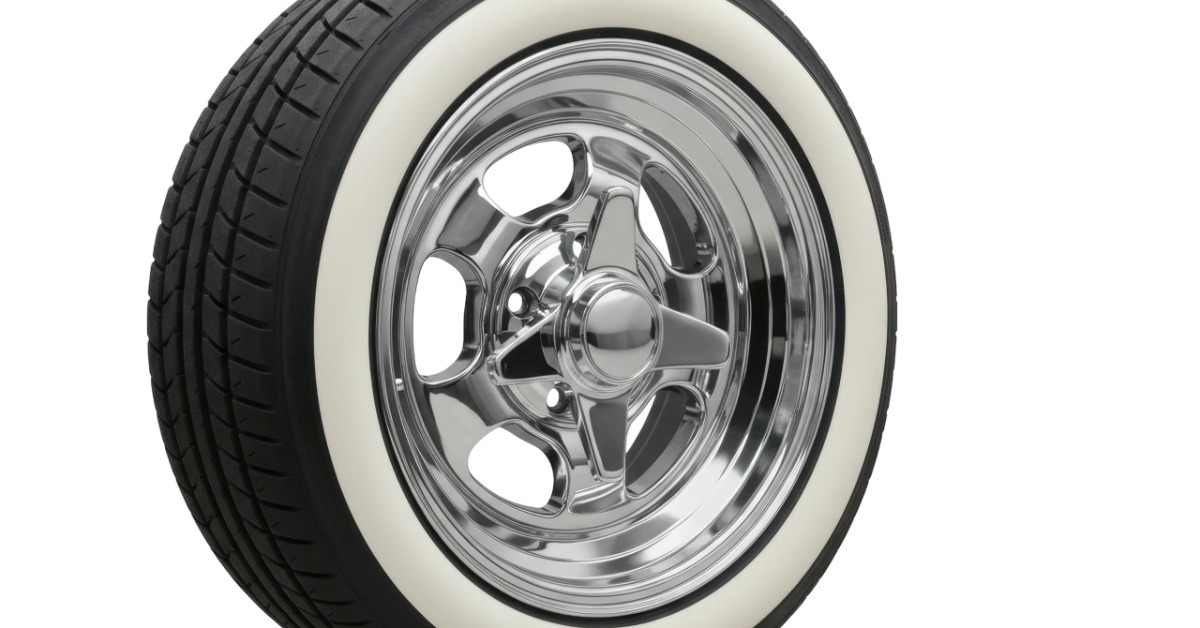
Many older classic cars left the factory with bias-ply tires. These tires deliver an authentic period-correct look, which matters to owners building a show car or restoring a vehicle to original condition. They can make sense for a collector car that sees limited road use and spends more time at events than on highways.
Radial tires are the more practical choice for most drivers. They typically provide better traction, improved ride comfort, longer tread life, and more predictable handling. If you plan to drive your classic car on a regular basis, a radial tire that matches the proper size and overall appearance can be a better fit.
Before you buy tires, think honestly about how you drive the vehicle. A weekend cruiser, a local show car, and a classic truck for regular road trips may all need different tire characteristics. The best choice depends on real use, not just appearance.
If the car spends most of its time in storage and only comes out for short fair-weather drives, you may place a higher value on vintage styling. If you drive it across Mississippi during warm months or take it to events several hours away, comfort, heat resistance, road stability, and tread design may matter more.
Show-focused vehicles usually need tires that support the visual style of the build. Whitewalls, redlines, raised white lettering, or vintage tread designs may all fit the personality of the car. In these cases, preserving the era-specific appearance can be part of the goal.
If you drive your classic car on public roads, performance and reliability deserve more attention. You want a tire that tracks straight, handles changes in pavement, and responds consistently during braking and cornering. Mississippi roads can vary in surface quality, so ride comfort also matters.
For a driver-focused setup, modern radial construction is typically the sensible choice. It can improve confidence behind the wheel while still preserving a classic look when you choose the right style and sidewall design.
Size is one of the most important parts of the process. A tire that looks close enough at first glance can still create problems after mounting it to the car. The wrong diameter can affect gearing and speedometer readings, while the wrong width can interfere with suspension parts or fender clearance.
Classic car owners should pay attention to wheel width, tire width, aspect ratio, and overall height. If you are moving away from the original size, compare measurements carefully instead of guessing. A small difference can change stance and ride quality more than expected.
Wider tires can look aggressive, but bigger is not always better on a classic car. A very wide tire may rub during turns, follow grooves in the road, or make steering feel heavier. It can also shift the visual balance of the vehicle and make it look less true to its era.
Classic cars can carry more weight than some drivers realize, especially large coupes, sedans, and vintage trucks. That makes load rating important. Each tire must support the vehicle safely, including passengers and any cargo the car may carry.
Speed rating also matters, even if you do not plan to drive at high speeds. It reflects more than top speed capability. It can also indicate how the tire handles heat and road stress. Choosing a tire with the right ratings helps deliver safer, more stable performance.
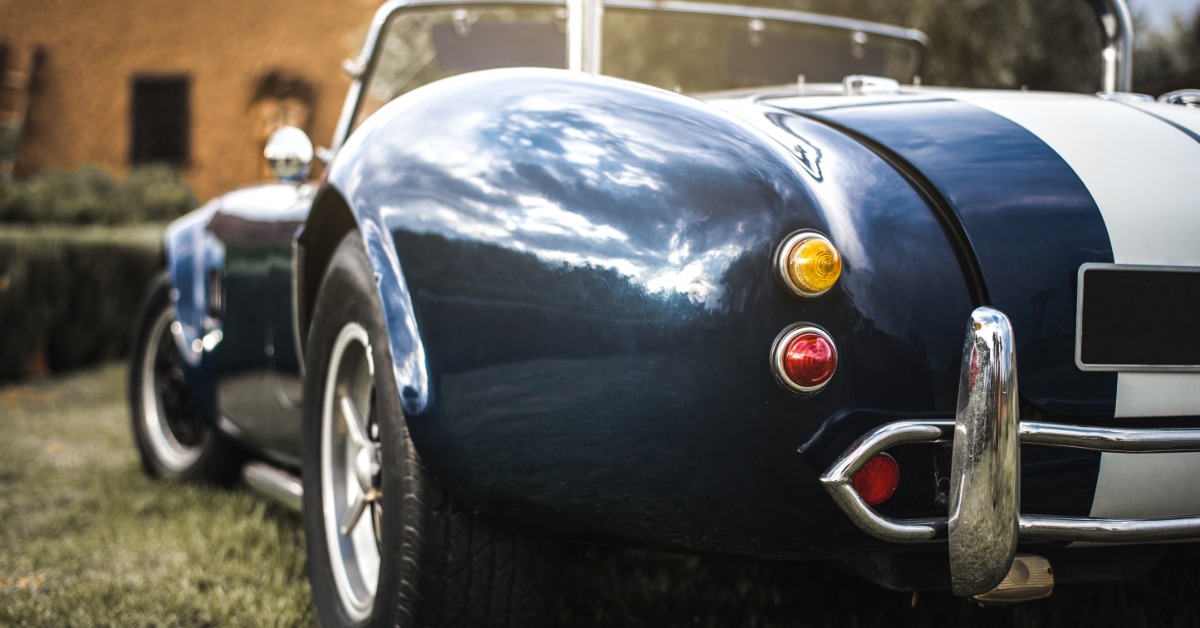
Tread design affects road feel, wet-weather grip, and noise. On a classic car, tread style also shapes the overall look. Some owners want a tire that appears vintage at a glance, while others care more about current road manners and confidence in changing conditions.
Rubber compound matters too. Even if two tires share a similar size, they may behave very differently depending on their design. A quality tire compound can improve grip and ride quality, which becomes especially important for older vehicles that lack many of the electronic safety systems found in modern cars.
If you don’t drive your classic car every week, storage is another key consideration. Long periods of storage can affect tire condition, especially in warm climates and garages with changing temperatures. Even a tire with plenty of tread can become a concern if the rubber ages and begins to crack or harden.
That is why classic car owners should inspect tires regularly and pay attention to age, not just tread depth. If your vehicle sits for long stretches, proper inflation and storage conditions can help preserve the tires. Moving the car periodically and keeping it out of direct sunlight can also help protect the rubber.
The right tires can transform the way your classic car looks, feels, and performs. When you focus on original specifications, intended use, correct sizing, and dependable construction, you can choose a set that protects the value of the vehicle and makes every drive more enjoyable.
If you need help finding classic car tires in Laurel, there’s no better place to go than RNR Tire Express. Shop online or book an appointment with our tire experts today!
By signing up you agree to our Privacy Policy.