Safety Tips
|
Aug 9, 2019
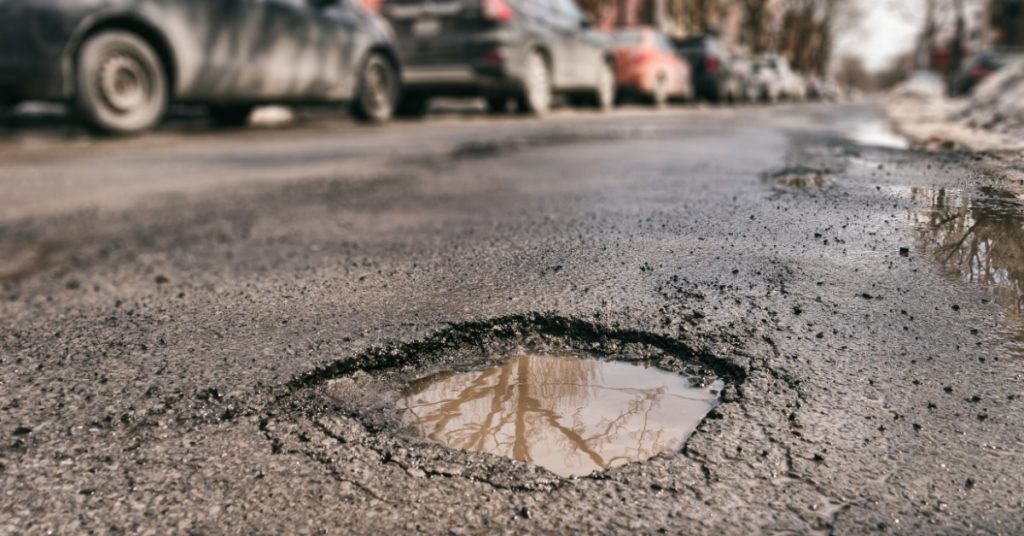
We all know the feeling of accidentally hitting a pothole all too well. One second, the road looks fine, and the next, you’re taking a hard hit that immediately makes you cringe. Learning how to protect your tires from costly pothole damage helps you avoid unsafe driving conditions and unexpected repair bills. This guide gives you a practical way to respond before and after encountering a rough road.
When your tire drops into a pothole, it does not simply roll over a divot in the road. The tire compresses against a sharp edge, and that impact can pinch the sidewall between the wheel and the road. When this happens, it can break internal cords that give the tire its shape and strength.
The damage is not always visible right away. A tire may still hold air even after the internal structure has been weakened. A small bulge, new vibration, or slow leak deserves attention after hitting a hard pothole.
Pothole damage gets expensive because the tire is only one part of the impact. The wheel takes the same force, and a bent rim can prevent the tire from sealing correctly. Even a slight bend may lead to air loss that keeps coming back after a refill.
The cost increases the longer you drive on the damaged tire. Heat and pressure build during normal driving, and a weakened tire has less ability to handle that stress. What could have been a repair visit may become an emergency replacement if the damage spreads.
Drivers who need help after a rough road impact can visit RNR Tire Express, a Dothan tire shop that helps customers find tires and wheels with payment options that fit their needs.
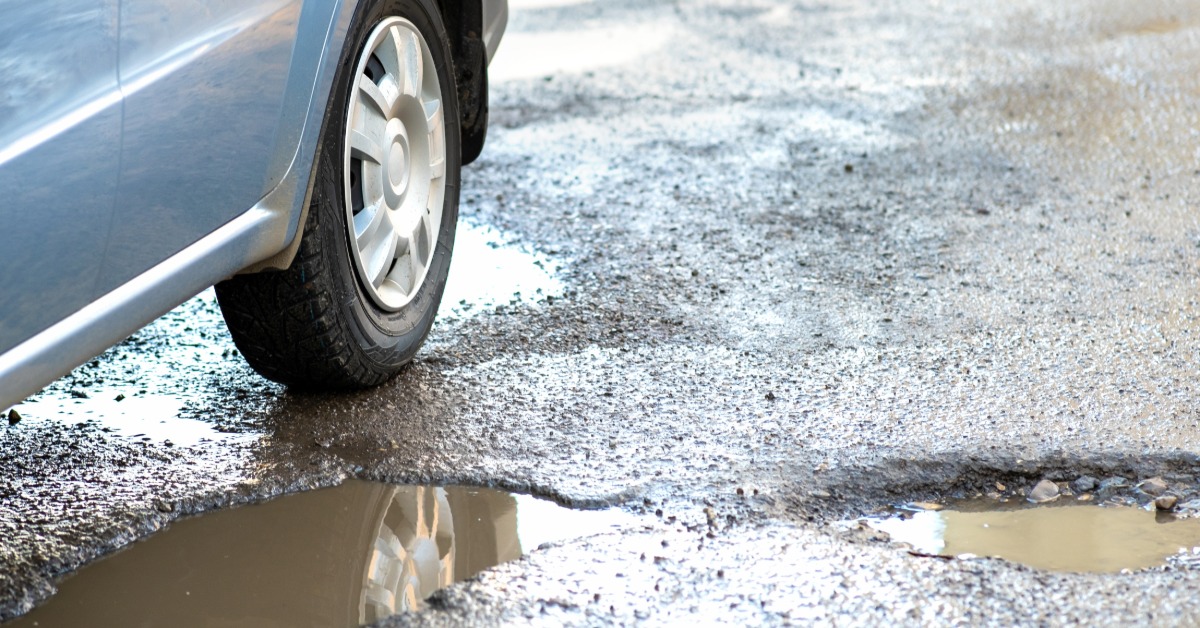
The safest way to handle potholes is to create more time to react. Leaving extra space between yourself and the vehicle ahead gives you a better view of the road surface. It gives you a chance to slow down smoothly instead of making a sudden move.
If you cannot avoid a pothole, reduce your speed before reaching it. Braking directly over the hole can shift more weight onto the front tires at the worst moment. A steady grip and controlled speed are usually safer than swerving across a lane.
Night driving requires more caution because potholes blend into shadows. Lower speeds on poorly lit streets can give your tires a better chance of surviving the impact. It may not prevent every hit, but it can reduce the force behind serious damage.
Small tire care habits can help make hitting a pothole less worrisome. Before pothole season (late winter to early spring) creates bigger problems, focus on the basics that help your tires handle impact more safely.
After a hard impact, do a slow visual check as soon as it is safe. Look for a bubble on the sidewall, because that is often a sign that the internal structure has separated. A bubble should not be ignored, even if the tire still looks mostly normal.
Pay attention to how the vehicle drives in the miles that follow. Pulling to one side, shaking through the steering wheel, or a new thumping sound can point to hidden damage. These signs may come from the tire, but they may point to a wheel or alignment issue.
A slow leak is a warning sign. If one tire needs air more often than the others, the pothole may have damaged the seal between the tire and wheel. Having it inspected can prevent a flat tire at the worst time.
A severe pothole hit can move the vehicle out of alignment. When alignment is off, the tires no longer meet the road at the correct angle. That can cause uneven wear that shortens the life of tires that were otherwise in good shape.
Suspension parts can be affected because they absorb much of the shock. You might notice a rougher ride or hear a clunk when driving over bumps. Those symptoms should be addressed before they cause further wear on the vehicle.
The wheel itself may need inspection. A bent or cracked rim can make the vehicle feel unstable and continue to cause tire problems until the wheel is repaired or replaced. Ignoring that issue can make a new tire wear unevenly from the start.
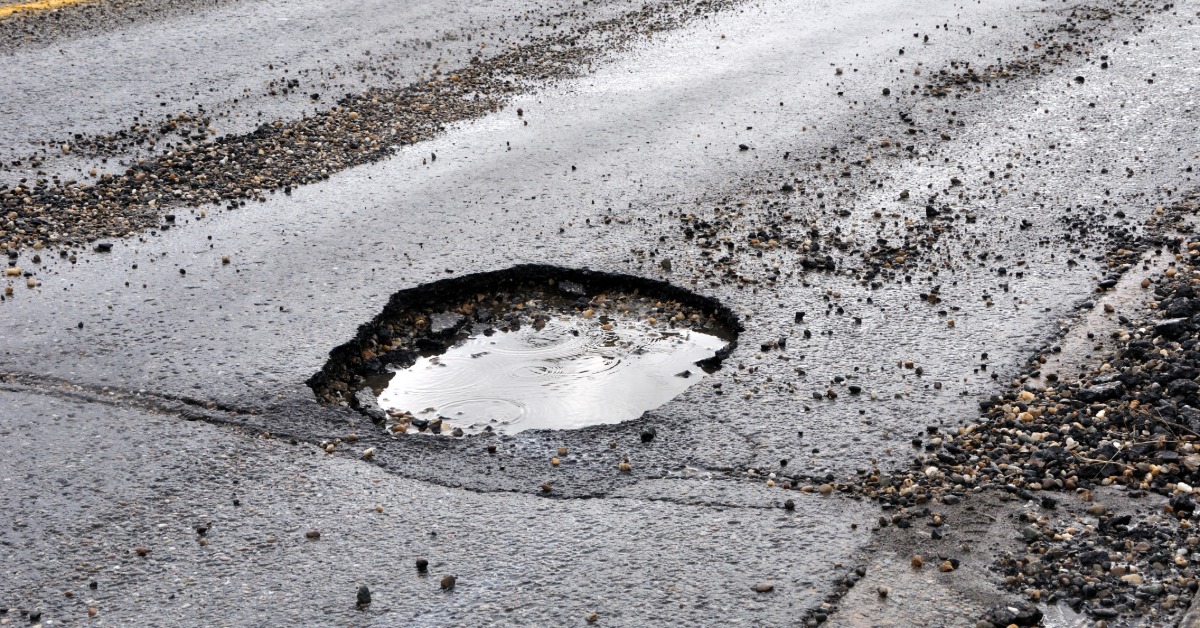
A little preparation can make pothole damage easier to manage. Keeping your tires in good condition reduces the chance that a single impact becomes a major expense. It helps you recognize when a tire is nearing the end of its useful life.
It is smart to save records from tire purchases and service visits. Clear records make it easier to understand warranty coverage or road hazard protection. Records give a tire professional a useful service history before making a recommendation.
Some pothole damage can be repaired, but sidewall damage usually changes the conversation. The sidewall carries too much stress to take chances with a weakened area. If a tire has a bulge, exposed material, or repeated air loss, replacement may be the safest answer.
Age and tread depth should influence the decision, too. A tire near the end of its life may not be worth repairing after a hard impact. Replacing it can prevent problems caused by poor road contact.
It is time to get professional guidance when the damage is unclear. A trained tire specialist can inspect the tire and wear patterns before you decide. That inspection gives you a clearer path than guessing.
When potholes leave you wondering whether your tires are still safe, RNR Tire Express gives you clear answers without the guesswork. The right tire guidance can help you protect your tires from costly pothole damage before a small concern turns into a bigger issue. With help from a team focused on serving local drivers, you can feel more confident every time the road gets rough.
By signing up you agree to our Privacy Policy.