Tires
|
May 30, 2019
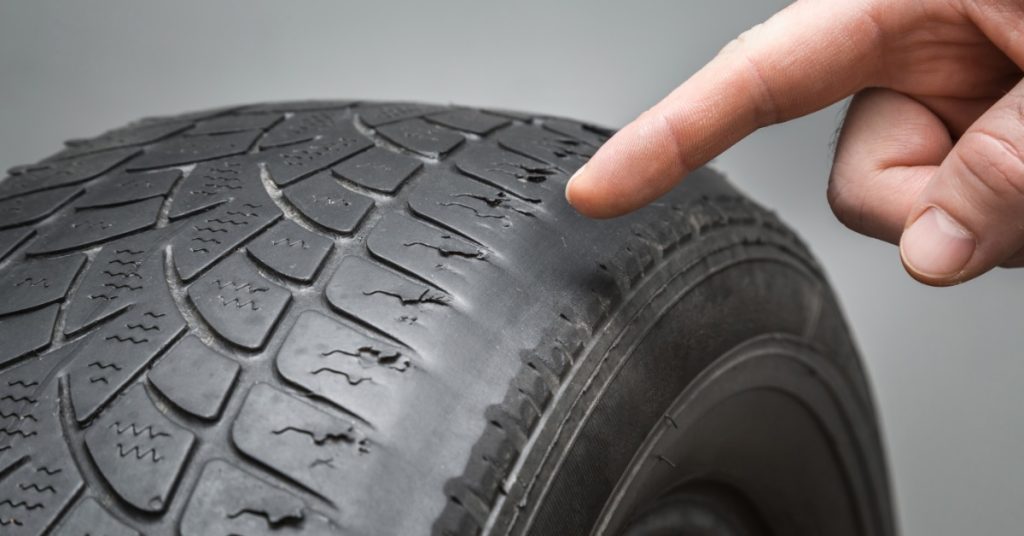
A tire with uneven tread is like a receipt for every mile your vehicle has driven. It shows the strain from rough roads, missed maintenance, heavy braking, and parts that no longer hold the tire where it should be. The main causes and solutions for uneven tire wear become clearer once you stop looking at the tire as worn out and start seeing it as evidence. That evidence helps you fix the right problem before the next set of tires takes the same beating.
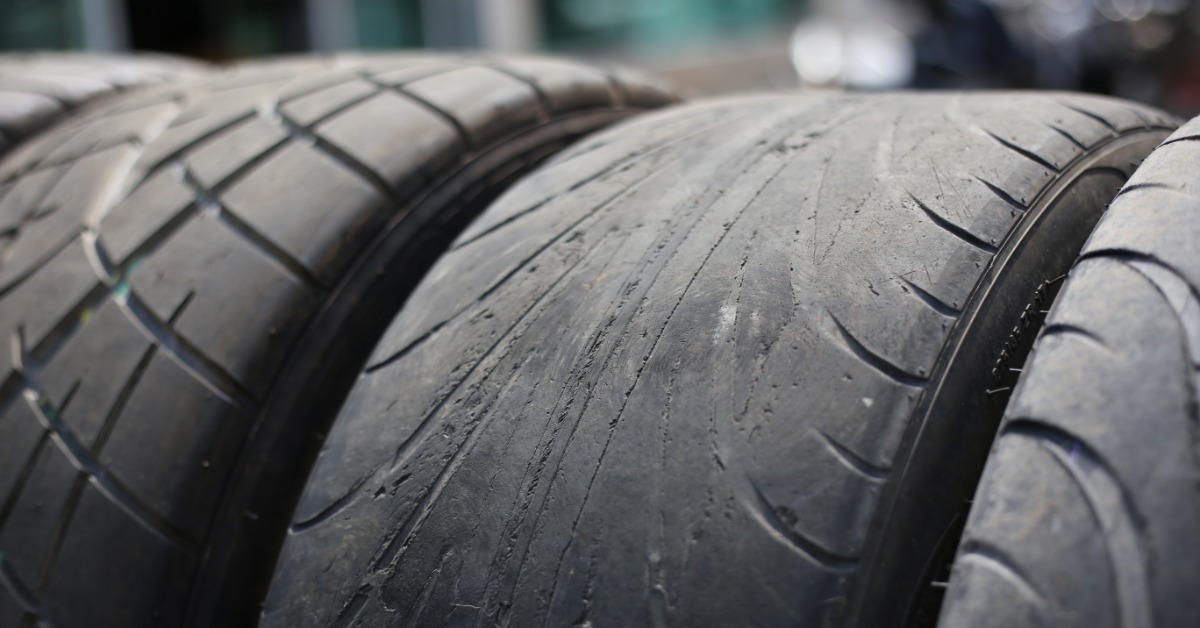
Uneven wear makes more sense when you read the pattern instead of treating every worn tire the same way. Each pattern has a different cause, and each one shows where to start looking.
When only the outside or inside edge wears down, the tire is not sitting flat against the road. This usually indicates a camber issue, meaning the wheel tilts too far inward or outward. That uneven angle puts extra pressure on one edge of the tread, so it wears faster than the rest of the tire. A proper inspection helps confirm whether alignment settings or worn suspension parts caused the problem.
Center wear usually means the tire has too much air pressure for everyday driving. When the tire is overinflated, the middle of the tread carries more weight than the outer sections. This reduces even road contact and wears the center down sooner. The correct pressure should come from the vehicle manufacturer’s recommendation, not the maximum number printed on the tire sidewall.
When both shoulders wear faster than the center, the tire usually has too little air pressure. An underinflated tire flexes more as it rolls, which places extra stress on both outer edges. This added strain may affect handling and shorten tire life. A pressure check should be the first step before looking for deeper issues.
Cupping appears as repeated dips or scooped spots around the tread. This pattern usually points to a suspension problem because the tire is bouncing instead of staying firmly planted on the road. Worn shocks or struts may be responsible. Drivers may notice vibration, extra road noise, or a rougher ride before the wear becomes easy to see.
Patchy, diagonal, or feathered wear usually points to alignment, rotation, or balance problems. Feathering happens when tread blocks develop a sharp edge on one side, usually indicating the tire is dragging slightly rather than rolling straight. Diagonal wear may appear when alignment angles are off or when the tire has been in one position for too long. These patterns need attention because they rarely even out on their own.
Fixing uneven tire wear starts with matching the repair to the wear pattern. A trusted tire shop in Laurel, MS, or your local area, offers drivers a convenient place to have their tires inspected before replacing them early.
Alignment correction helps when uneven wear comes from tire angles that no longer match the vehicle’s specifications. A technician measures and adjusts those angles so the tires meet the road correctly. This service is important after pothole impacts, steering repairs, suspension work, or when there are signs of pulling. Alignment will not restore missing tread, but it helps prevent the same wear from getting worse.
Tire pressure management starts with using the pressure listed by the vehicle manufacturer. Checking pressure when the tires are cool gives the most accurate reading. A monthly pressure check protects tread life and keeps the vehicle driving more predictably.
Suspension repair is necessary when worn parts cause the tire to lose traction on the road. Replacing parts causing issues, such as ball joints, restores better tire contact and ride control. New tires should not go on a vehicle with unresolved suspension trouble.
Balancing corrects uneven weight around the wheel and tire assembly. When the balance is off, the driver may notice vibration through the steering wheel or floorboard. Rotation moves each tire to a different position so wear spreads more evenly across the set. These services work best on a regular schedule rather than waiting until the tread already looks uneven.
Some uneven wear goes too far for repair. Tires need replacement when the tread becomes too shallow or when visible damage affects the tire’s structure. A damaged tire should not stay on the vehicle just because the rest of the set looks better. The underlying cause still needs to be repaired, so the next tire does not wear the same way.
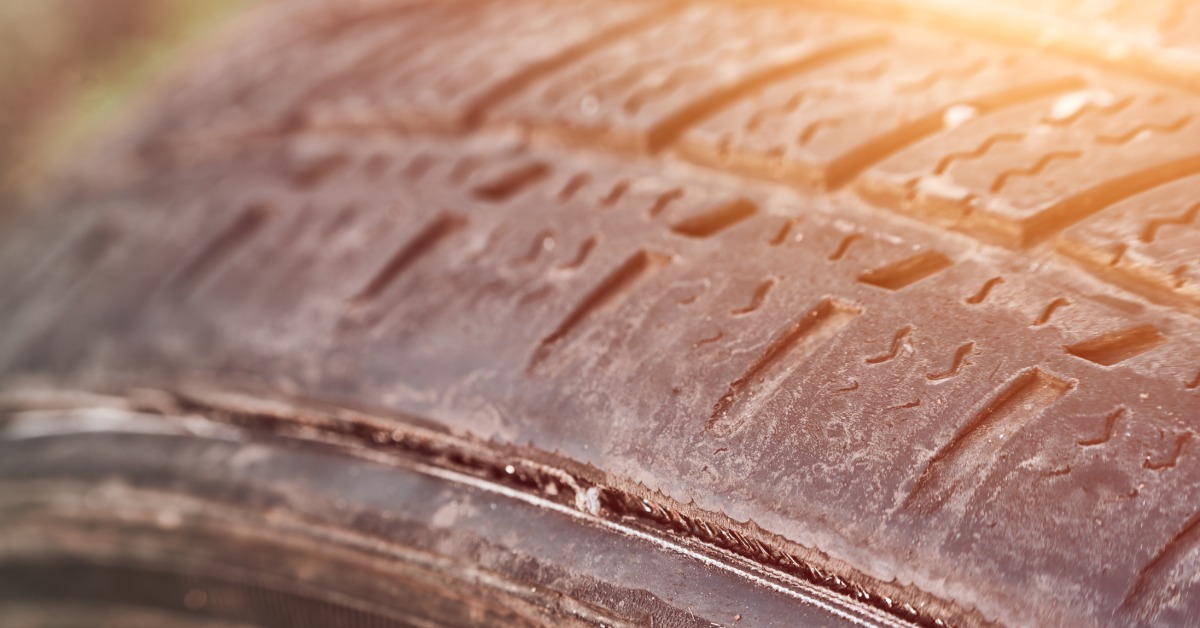
It depends on the severity of the wear. Light unevenness may leave enough tread for short-term driving, but deep wear, such as exposed cords, requires prompt inspection.
An alignment fixes the angle problem that caused certain wear patterns, but it does not restore missing tread. If the tire still has safe tread depth, alignment slows further damage.
The timeline depends on the cause. A tire with slightly low pressure may wear unevenly over months, while a damaged suspension part may ruin the tread much sooner.
Not always. The answer depends on tread depth, drivetrain type, tire condition, and manufacturer guidance. Matching tires remains important because uneven sizes or tread depths may affect handling.
Uneven tire wear is easier to handle when someone looks beyond the surface and connects the pattern to the way their vehicle drives. RNR Tire Express helps drivers make sense of worn tread and how to compare options going forward. We’re proud to offer payment options that fit real life. Whether your tires show edge wear or patchy tread, the right conversation at the shop allows you to move forward with more confidence.
Uneven tire wear has a way of turning quiet vehicle issues into visible proof. When the tread starts telling a story, drivers who act early usually save themselves from paying for the same problem twice. Understanding the main causes and solutions for uneven tire wear ensures that replacing your tires actually fixes the issue. Bring your vehicle to RNR Tire Express for help choosing the right next step.
By signing up you agree to our Privacy Policy.