Tires
|
May 30, 2019
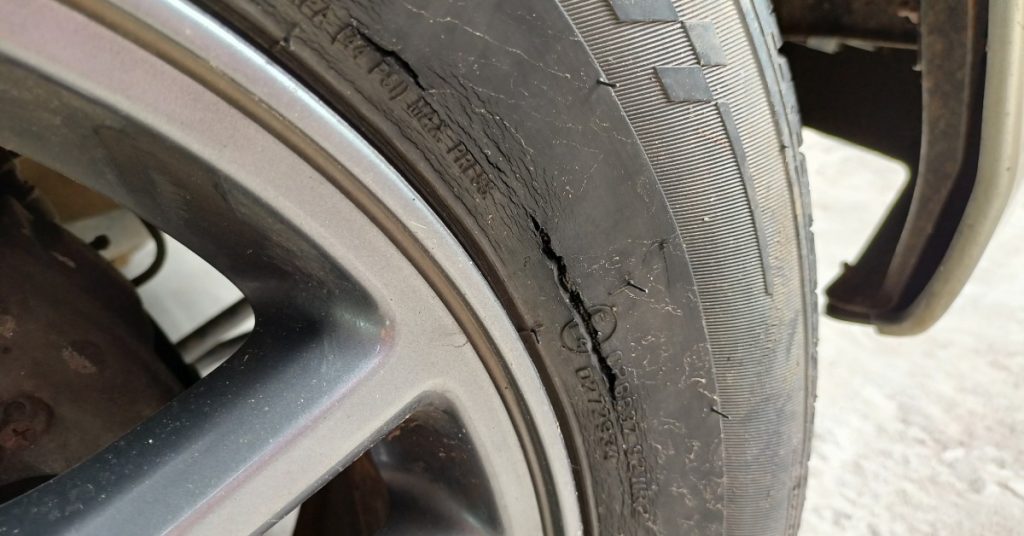
A tire can look perfectly fine at first glance, then reveal tiny cracks along the sidewall that tell a very different story. Those small lines may seem harmless, yet they can point to age, environmental exposure, or maintenance habits that deserve attention before they lead to a larger problem. What causes tire sidewall cracks to appear? This remains one of the most common topics drivers have questions about. Use the guide below to refine your knowledge and take better care of your tires today.
Every tire contains natural and synthetic rubber compounds that change over time. Heat, oxygen, and sunlight gradually dry those materials, and the flexible surface begins to lose elasticity. Tiny surface cracks usually appear first, then spread farther across the sidewall as months pass.
A vehicle that spends most of its life inside a garage can still develop sidewall cracks because aging continues even without daily travel. Manufacturers build tires to withstand years of use, but no rubber compound lasts forever. Time alone plays a larger role than many drivers expect.
Ultraviolet rays place constant stress on tire rubber. Vehicles parked outside every day receive far more exposure than cars stored inside covered parking. As sunlight breaks down protective compounds in the rubber, the sidewalls become less flexible and more vulnerable to cracking.
Warm climates add another challenge. High temperatures accelerate chemical changes inside the rubber, especially during long summer seasons. A tire exposed to intense heat year after year usually shows visible aging sooner than one used in milder conditions.
Temperature swings force rubber to expand and contract. During hot afternoons, tire temperatures climb well beyond the surrounding air. Cold mornings reverse that cycle, and repeated expansion followed by contraction gradually weakens the material.
Drivers who live in areas with dramatic seasonal changes may notice sidewall deterioration sooner because the rubber experiences repeated thermal stress. Even parked vehicles feel those effects day after day.
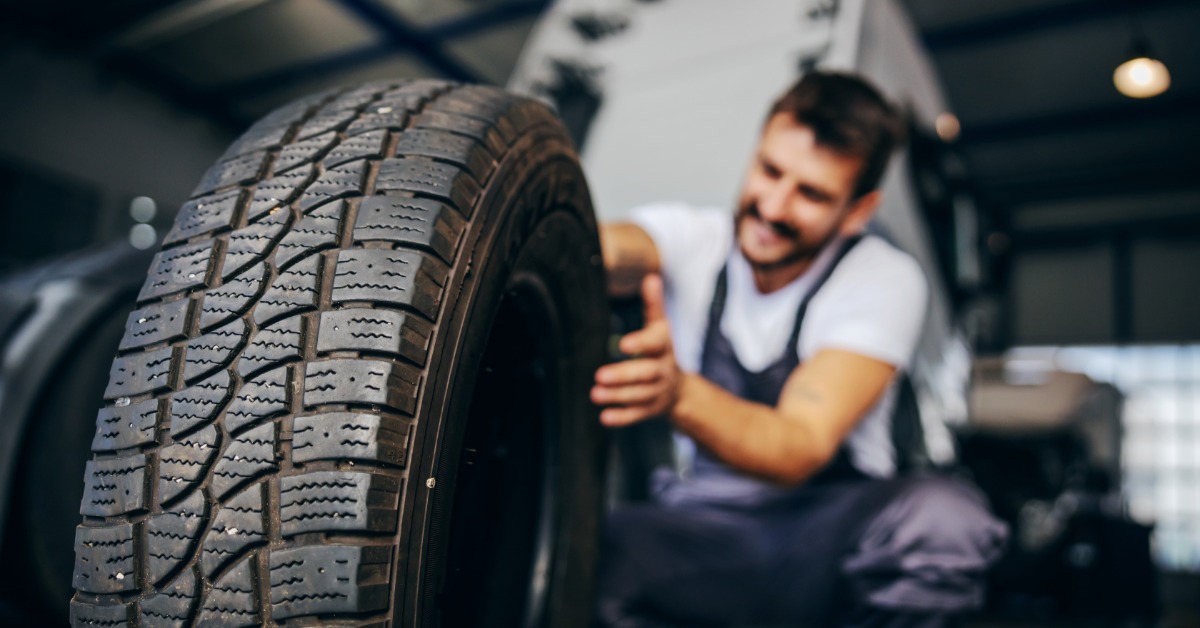
Identifying what causes tire sidewall cracks to appear requires knowing how environmental conditions impact the material. Air pressure supports the vehicle’s weight across the tire structure. When pressure drops below the recommended level, the sidewalls flex much more than engineers intended. That repeated movement creates extra strain every mile down the road.
Picture a runner with worn-out shoes. Each step places added stress on areas that already receive the greatest workload. Tires respond in a similar fashion, and low pressure accelerates sidewall wear far beyond normal levels. Checking inflation every month helps reduce unnecessary strain. A few minutes with a tire gauge can prevent premature aging and extend the life of the entire tire.
Many people assume parked vehicles stay protected because the tires avoid road wear. The opposite can happen after months without movement. Rubber benefits from regular use because protective oils inside the compound move throughout the tire during normal driving.
When a vehicle remains parked for long stretches, those oils stay concentrated instead of circulating across the surface. The sidewalls gradually dry out, and fine cracks begin to appear. Classic cars, seasonal vehicles, and spare vehicles commonly develop this type of aging. Even low-mileage tires deserve routine inspections because appearance tells more than the odometer.
Not every cleaning product belongs on automotive tires. Petroleum-based solvents, harsh degreasers, and certain household chemicals remove protective compounds that help the rubber resist cracking. After repeated exposure, the sidewalls lose flexibility much faster.
Some tire shine products create similar concerns. Products that leave an extremely glossy finish sometimes contain ingredients that contribute to premature drying over time. Water-based tire dressings generally provide a safer alternative for routine appearance care.
Road chemicals also contribute to gradual deterioration. Salt, industrial pollutants, and chemical residue collect on tires after daily travel. Regular washing helps remove those contaminants before they remain on the rubber for extended periods.
Every tire carries a maximum load rating. Vehicles that regularly haul cargo near that limit place additional stress across the entire tire structure, including the sidewalls. Commercial vehicles, family road trip vehicles packed with luggage, and work trucks all experience heavier demands than lightly loaded passenger cars.
Combined with warm pavement and long highway drives, that additional weight accelerates rubber fatigue. Drivers should always follow the load limits listed by the tire manufacturer. Those ratings exist to protect both tire performance and vehicle safety.

Storage conditions matter just as much as daily driving habits. Tires that are kept near furnaces, electric motors, ozone-producing equipment, or direct sunlight age more rapidly than tires stored inside cool, dry spaces.
Humidity alone usually causes fewer concerns than excessive heat and ozone exposure. Those environmental factors steadily attack rubber compounds even after the tires leave the vehicle. People who switch between summer and winter tire sets benefit from proper storage practices. Clean tires, protective storage bags, and a climate-controlled location help preserve rubber until the next season arrives.
Small cracks don’t always mean immediate replacement. Some remain cosmetic for a period of time, but deeper cracks deserve prompt evaluation from trained professionals. A technician can determine if the damage affects structural integrity or remains limited to the surface.
Routine inspections also reveal other signs of aging that drivers may overlook. Uneven tread wear, bulges, exposed cords, and irregular patterns provide valuable clues about tire condition. During a typical inspection, professionals look for several areas of concern, including:
Regular inspections provide peace of mind before a long road trip or seasonal travel. A brief visit today may prevent unexpected tire trouble tomorrow. No tire lasts forever, but good habits can slow the aging process. The habits above require very little time, and they help protect one of the hardest-working parts of your vehicle. Visit our tire shop in Mobile, AL, so you can get back on the road with confidence ASAP.
By signing up you agree to our Privacy Policy.