Safety Tips
|
Aug 9, 2019
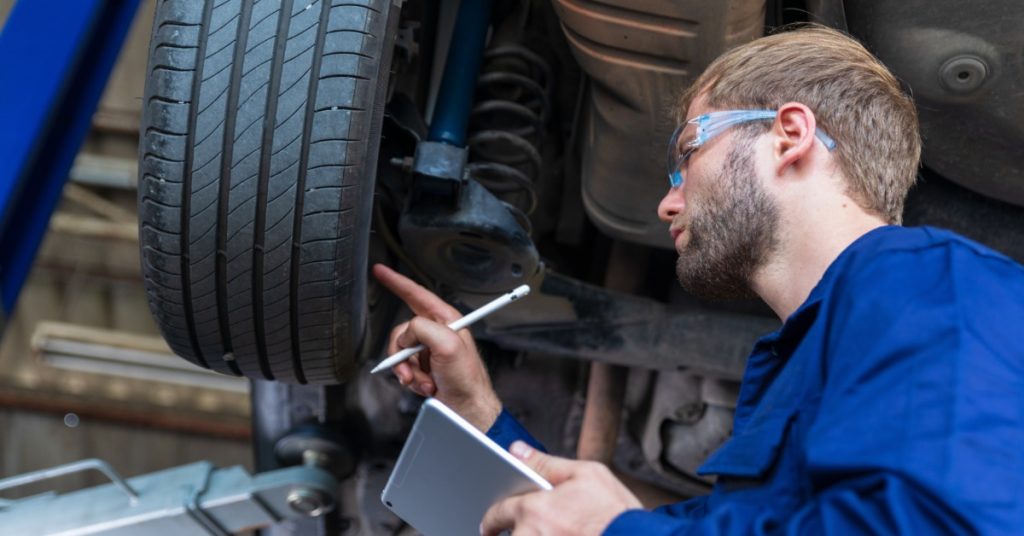
Tires handle every mile your vehicle travels, yet they can fade into the background of routine car care. A short inspection can reveal problems before they become harder or more expensive to address. For drivers who want fewer surprises and more confidence behind the wheel, regular tire checks deserve a place in the maintenance routine. Keep reading to understand why you should never skip tire inspections for your car.
Not every tire issue announces itself with a flat or an obvious warning light. Some problems develop little by little as a vehicle accumulates miles. Uneven tread wear, minor sidewall damage, and subtle pressure loss can escape notice during a normal walk around the vehicle.
That gradual change creates a problem for drivers. A tire may still look acceptable from several feet away even though closer inspection reveals wear that deserves attention. Regular checks give you a better chance to catch those changes before they progress.
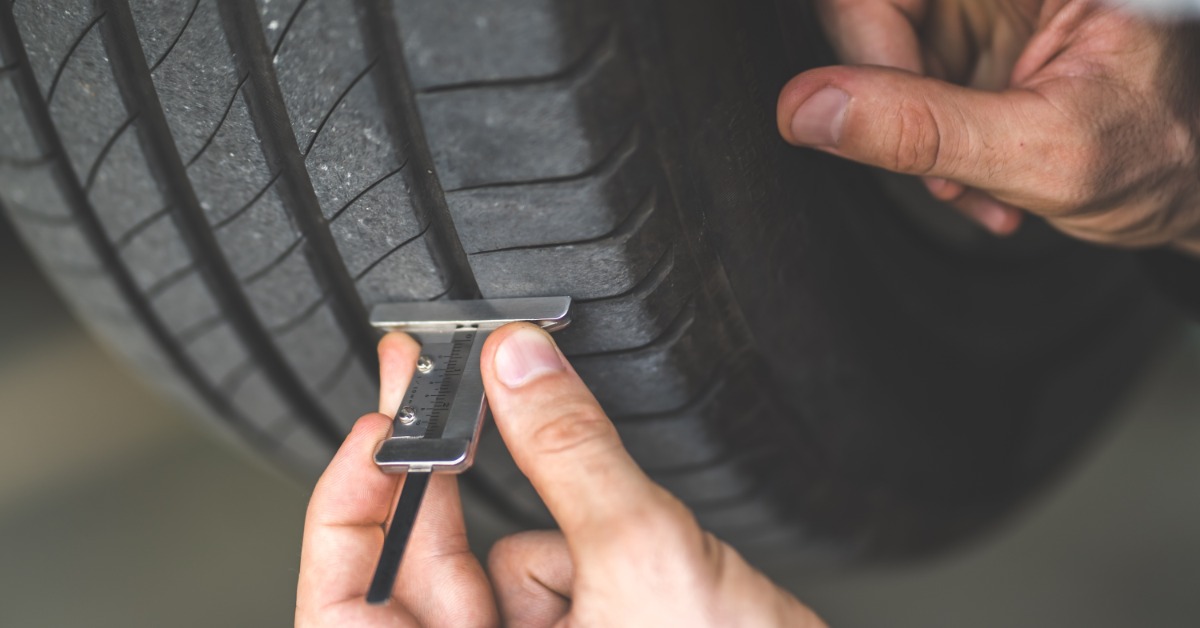
Tread provides traction and helps tires maintain contact with the road. As tread wears down, the tire has less material available to channel water away and grip the pavement.
The pattern of that wear can also reveal useful information. Wear that appears heavier on one edge may point to an alignment concern, while wear through the center or along both shoulders can suggest that tire pressure needs attention. A technician can examine the tread pattern and help identify the likely cause.
Air pressure affects far more than the shape of a tire. It influences how the tire contacts the road, how it wears, and how the vehicle responds during normal driving.
Pressure can change as temperatures shift or as small amounts of air escape over time. That means a tire that had the correct pressure several weeks ago may no longer sit at the recommended level.
An underinflated tire flexes more as it rolls. That additional movement can create heat and place additional stress on the tire structure. It may also cause the outer shoulders of the tread to wear faster.
Drivers may notice that the vehicle feels less responsive, but slight pressure loss does not always create an obvious change from the driver’s seat. A pressure gauge or professional inspection provides a much clearer picture.
Extra air does not improve tire performance. An overinflated tire may place more pressure on the center portion of the tread and reduce the size of the tire’s contact patch.
That can cause uneven wear and a harsher ride. Following the vehicle manufacturer’s recommended tire pressure gives each tire a better chance to perform as intended.
Another reason you should never skip tire inspections is that they may reveal damage you’re otherwise likely to miss. Drivers searching for tires in Laurel may already know that road conditions can put tires through plenty of abuse. Potholes, rough pavement, road debris, and curb impacts can all leave behind damage that deserves a closer look.
Some damage appears immediately. Other problems remain subtle at first. A careful inspection examines more than the tread surface and can reveal warning signs that a quick glance might overlook.
The sidewall supports the tire as it carries the vehicle’s weight and flexes through turns, bumps, and changes in road surface. Cuts, cracks, bulges, and other visible damage should never receive casual treatment.
A bulge can indicate damage within the tire structure, and deep cuts may expose or weaken internal components. Since sidewalls do not have the same repair options as some tread punctures, a professional should evaluate questionable damage.
A nail or screw does not always cause an immediate flat. Sometimes the object lodges in the tire and allows air to escape gradually.
That slow leak can tempt drivers to add air frequently instead of addressing the cause. An inspection can locate the object, assess the puncture area, and determine if the tire qualifies for repair or requires replacement.
Tires interact with several parts of the vehicle. Suspension condition, wheel alignment, tire pressure, and rotation habits can all affect how tread wears. A strange wear pattern may provide the first clue that another part of the vehicle deserves attention.
A vehicle with poor wheel alignment may place uneven pressure across the tread. One section of the tire can wear faster than the rest, even when the tire still has plenty of usable tread elsewhere.
Drivers may also notice that the vehicle pulls to one side or that the steering wheel sits slightly off-center. An inspection can connect those symptoms with visible tread wear and help determine if an alignment check makes sense.
A vehicle that feels fine during a short commute may face different demands during a long highway trip. Extended driving adds heat, speed, mileage, and vehicle load to the equation.
A pre-trip tire inspection can identify pressure concerns, excessive wear, or visible damage before departure. Drivers can address those problems close to home instead of dealing with them far from familiar repair options.
The spare may spend months or years out of sight. During that time, it can lose air just like any other tire.
Check the spare’s pressure and general condition as part of a broader tire inspection. A spare only helps during an emergency if it remains ready for use.
Mississippi drivers experience shifts in temperature, rain, heat, and humidity throughout the year. Those changes can influence tire pressure and place different demands on tread. Hot pavement can add stress during summer travel, and heavy rain places greater emphasis on tread depth and water evacuation.
A tire can age even when a vehicle does not accumulate many miles. Rubber compounds change with time, and environmental exposure can contribute to cracking or deterioration.
Drivers should consider both visible condition and tire age during an inspection. A tire with plenty of tread may still deserve professional evaluation if it has spent many years in service.
Tire inspections do not require much time, but they can provide valuable information about the condition of your vehicle. Pressure loss, tread wear, sidewall damage, and punctures become easier to address when drivers notice them early.
A consistent routine also helps you become familiar with how your tires normally look. When something changes, you have a better chance to recognize that change instead of overlooking it.
Skipping a tire inspection can allow a small concern to become a larger one. A few minutes spent checking pressure, tread, and visible condition can reveal signs that deserve professional attention.
RNR Tire Express can help drivers throughout the Gulf Coast region evaluate tire condition and find tires, wheels, or alignment services that fit their vehicle needs. If you want a professional to take a closer look at your car’s rubber, visit your local RNR Tire Express today!
By signing up you agree to our Privacy Policy.