Safety Tips
|
Aug 9, 2019
Tire pressure affects far more than the way a vehicle feels while you’re driving. It influences traction, fuel efficiency, and the lifespan of your tires. A tire can lose a considerable amount of air before the driver notices anything unusual, so that’s where tire pressure monitoring systems provide an advantage.
Understanding why tire pressure monitoring systems (TPMS) matter can help Alabama drivers recognize potential problems before they become serious.
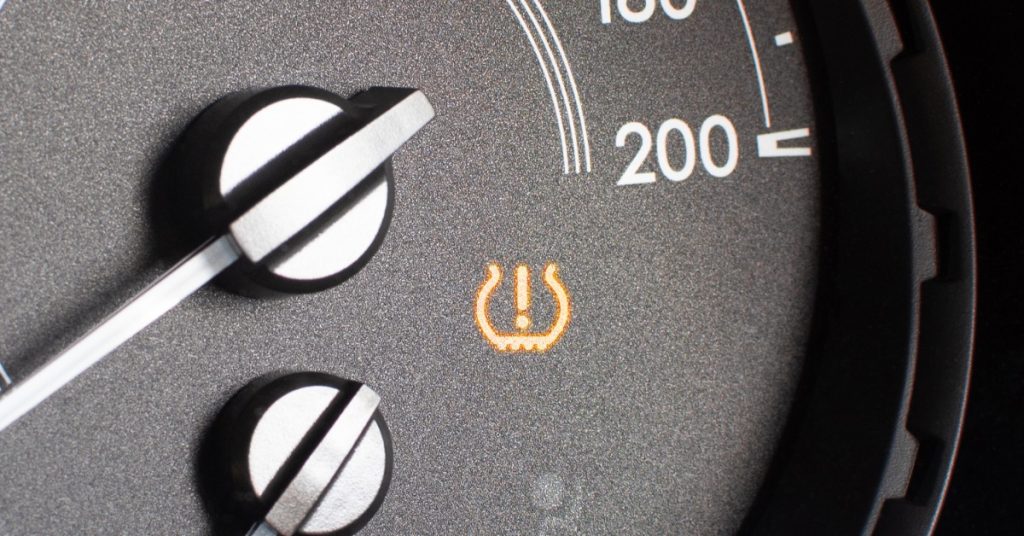
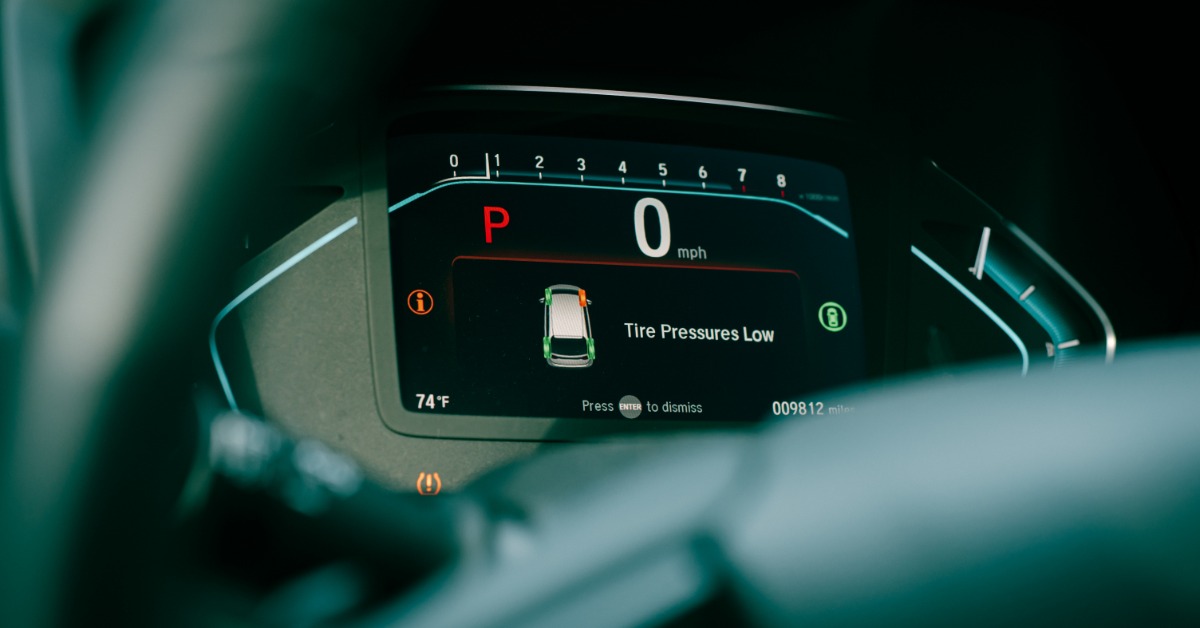
A TPMS alerts drivers to a tire with low pressure. Most modern passenger vehicles include this technology as a standard safety feature. The system communicates through a dashboard warning light that resembles an exclamation point within a tire cross-section.
Although TPMS serves the same general purpose across vehicles, manufacturers use two main approaches to monitor tire pressure.
Direct TPMS uses electronic sensors inside the wheels to measure tire pressure. These sensors transmit information to the vehicle’s computer, which warns drivers when the pressure falls below a specific threshold.
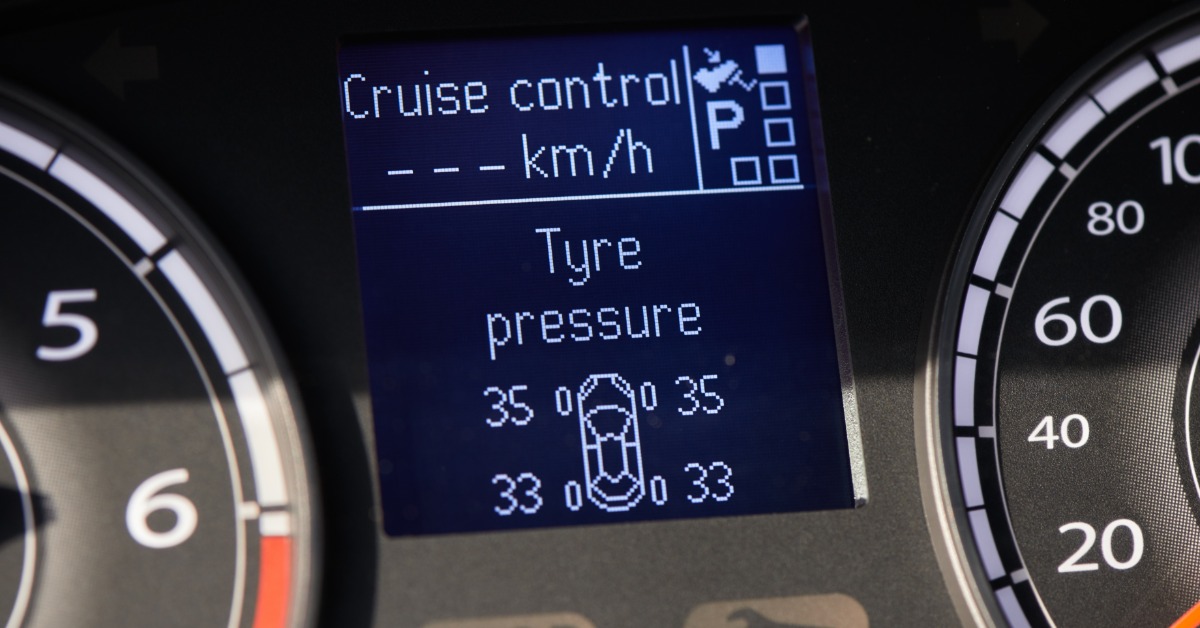
Some vehicles display individual tire pressure readings, making it easier to identify which tire needs attention. Direct systems provide actual pressure measurements, although their sensors may eventually require battery replacement or other service.
Indirect TPMS takes a different approach. Instead of measuring air pressure directly, it uses wheel-speed information and vehicle data to detect changes common in underinflated tires.
When a tire loses pressure, its effective rolling circumference can change. The system analyzes these differences and alerts drivers to a potential issue.
The main reason why TPMS matters is because tire pressure itself is critical to vehicle safety. Correct tire pressure helps tires maintain the contact and structural support they need for dependable road performance. Underinflation changes how a tire responds to steering, braking, and road conditions.
Drivers who need tires in Mobile, AL, should understand how proper inflation contributes to safe travel, particularly during Alabama’s hot summers and frequent rainstorms.
Alabama drivers encounter heavy rainfall throughout the year. During these conditions, tire tread must channel water away from the contact patch to maintain traction.
Underinflation can distort the tire’s contact patch and affect its response to steering inputs. Proper pressure helps the tire perform as it should, although adequate tread depth remains necessary for wet-road traction.
An underinflated tire flexes more than its design allows during normal operation. Excessive flex generates heat, which can weaken internal tire components and increase the risk of failure.
This becomes particularly concerning during long highway trips. A TPMS warning provides an opportunity to address low pressure before additional heat and structural damage develop.
Tires represent a recurring vehicle expense, so premature replacement can create an unnecessary financial burden. Maintaining appropriate pressure helps drivers get more value from their purchases.
TPMS supports this effort by identifying pressure problems that might otherwise remain unnoticed.
Underinflated tires may develop excessive wear along their outer shoulders. Overinflation can contribute to more center tread wear, although alignment, suspension condition, and other factors also influence wear patterns.
A monitoring system can alert drivers to substantial pressure loss before additional miles compound the problem. Addressing the underlying cause helps preserve the tire’s usable tread.
Low tire pressure increases rolling resistance, forcing the engine to expend more energy to move the vehicle. The resulting increase in fuel consumption may seem minor during a single trip, but it can accumulate over months of travel.
Maintaining suitable inflation pressure reduces unnecessary rolling resistance. For drivers with lengthy commutes, that can translate into fewer fuel expenses over time.
A dashboard warning deserves attention, even when the vehicle seems to drive normally. The appearance and behavior of the indicator can provide useful information about the problem.
A steady TPMS warning generally indicates that at least one tire has significantly low pressure. Drivers should find a safe place to stop and inspect their tires.
If no obvious damage appears, check each tire with a reliable pressure gauge. Inflate the tires to the vehicle manufacturer’s specifications, and investigate any tire that continues to lose air.
A TPMS indicator that flashes for approximately one minute before remaining active typically signals a system malfunction. Possible causes include damaged sensors, depleted sensor batteries, or communication problems.
The system may not provide reliable pressure warnings until a technician resolves the malfunction. Drivers should check tire pressure manually and arrange an appropriate inspection.
Temperature changes can affect tire pressure even without a puncture. As outdoor temperatures fall, the air pressure inside tires generally decreases.
A warning light might appear on a cold Alabama morning and disappear after the tires warm up. Drivers should still check the pressure rather than assume the warning requires no attention.
Tire pressure monitoring systems provide useful information, but they cannot identify every tire problem. Most systems activate only after pressure drops substantially below the recommended level.
That means a tire could operate below its ideal pressure without triggering an immediate warning. Regular manual inspections remain necessary for dependable tire care.
Drivers should check tire pressure at least once each month, preferably before driving the vehicle. Cold readings provide a more accurate comparison with manufacturer specifications.
A practical maintenance routine includes:
Never use the maximum pressure on the tire sidewall as the default inflation target. That number identifies the tire’s maximum rated cold inflation pressure, not the ideal pressure for the vehicle.
A tire that frequently loses pressure may have a puncture, damaged valve, or compromised wheel seal. Adding air can temporarily restore the correct pressure, but it doesn’t resolve the underlying problem.
A qualified tire technician can locate the source of the leak and determine if a safe repair is possible. Some types of damage require tire replacement instead.
Tire replacement, wheel changes, and certain repair procedures can affect TPMS operation. Direct systems may require sensor inspection, replacement, or registration with the vehicle’s computer.
Indirect systems may need recalibration after the technician restores tire pressure. The exact procedure depends on the manufacturer’s instructions.
Drivers should also confirm that replacement wheels support their vehicle’s monitoring system.
Understanding the importance of TPMS helps drivers take a more proactive approach to vehicle maintenance. These systems provide valuable warnings about pressure loss, but routine inspections remain necessary to protect tire performance and vehicle safety.
For Alabama motorists, consistent tire care supports dependable travel through summer heat, seasonal temperature changes, and wet roads. Contact RNR Tire Express to explore tire options and get professional assistance with your vehicle’s tire needs.
By signing up you agree to our Privacy Policy.