Tires
|
May 30, 2019
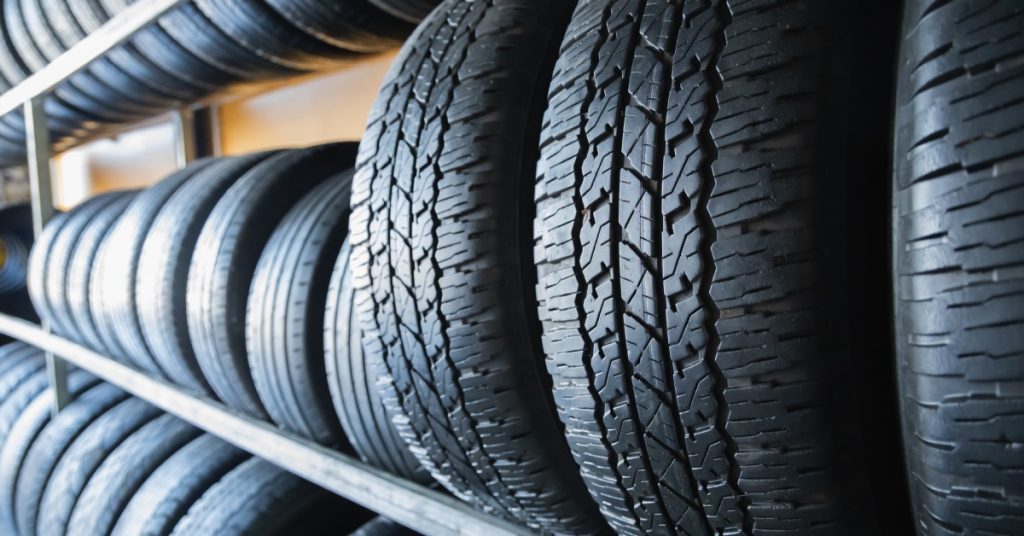
Most drivers don’t wake up one morning and decide their tires look worn out. Tire wear happens gradually, and you adapt to small changes in grip, noise, and handling. Then one rainy drive or one hard stop reminds you that the only thing connecting your vehicle to the road is four patches of rubber.
If you want a safer ride and more confident handling, you need to spot tire problems early. Keep reading to understand the tell-tale signs you need to buy new tires.
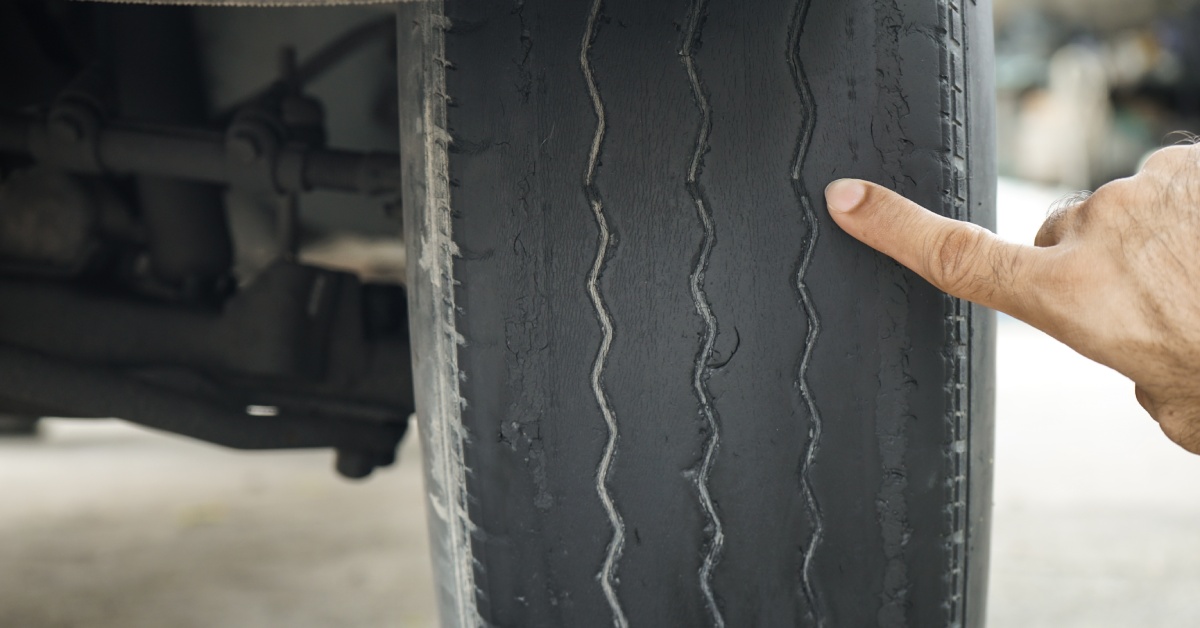
Tread depth controls how well your tire grips the road and channels water away from the contact patch. As the tread gets shallow, your tire struggles to maintain traction when the road gets slick. You might still feel okay in dry weather, but the real test comes in rain, on bridges, and during quick stops.
You can check tread depth with a tread gauge in less than a minute. If you see that the tread is getting low across the tire, you should start planning for replacement.
Tire manufacturers build wear bars into the tread to give you a clear visual warning. You’ll find these small, raised sections across the grooves of the tire. When the surrounding tread wears down to the same height as the wear bar, the tire has reached a point where replacement makes sense.
If you see wear bars across multiple grooves or across large sections of the tire, don’t try to stretch the tire for just a little longer. You’re already driving on a tire that can’t perform the way it should, especially in wet conditions.
Over time, heat, sunlight, and normal aging can dry out the tire and create small cracks in the sidewall. People call this dry rot. At first, the cracks can look like minor cosmetic wear, but sidewalls do more than hold air. They support the structure of the tire under load and protect it against failure.
A compromised sidewall can fail without much warning. When you spot sidewall cracking, you should treat it as a sign to replace the tire rather than a problem you can ignore.
Another tell-tale sign you need to buy new tires is a bulge or blister on the tire. These form when the internal structure of the tire takes damage. This typically happens after a hard impact, such as hitting a pothole or curb.
The outer rubber may remain intact, but the inner layers can separate or weaken. That weakness pushes outward and creates a visible bubble. A bulge can turn into a sudden failure, especially at higher speeds. If you notice one, you should stop driving on that tire and inspect it right away.
A nail or screw in the tread doesn’t automatically mean you need a new tire, but the location of the puncture matters. When damage sits near the sidewall or shoulder area, repairs frequently become unsafe because that part of the tire flexes more and carries different stresses than the center tread.
Even when a puncture looks small, it can cause internal damage that you can’t see from the outside. If the puncture sits in an area that repair guidelines consider unsafe, replacing the tire protects you from failure later.
Even wear across the tire tells you the tire meets the road evenly. If the inside edge wears down faster than the outside edge, you may have alignment issues. If the center wears faster, you may be running too much air pressure. If one tire wears differently from the others, you may have rotation gaps or a suspension problem.
Uneven wear creates two problems at once. It reduces traction because parts of the tire lose tread early, and it signals a condition that can ruin the next set of tires, too. When you see uneven wear, you should address the cause and plan for replacement if the tread has worn down past safe levels.
Vibrations can come from many sources, but tire problems sit high on the list. A tire that wears unevenly can create a rhythmic vibration at certain speeds. A tire with a balance issue can cause shaking in the steering wheel or seat. In some cases, internal damage can cause the tire to become unstable even if it looks fine.
You should pay attention to when the vibration happens. If it increases with speed, shows up after a pothole impact, or gets worse over time, treat it as a warning sign.
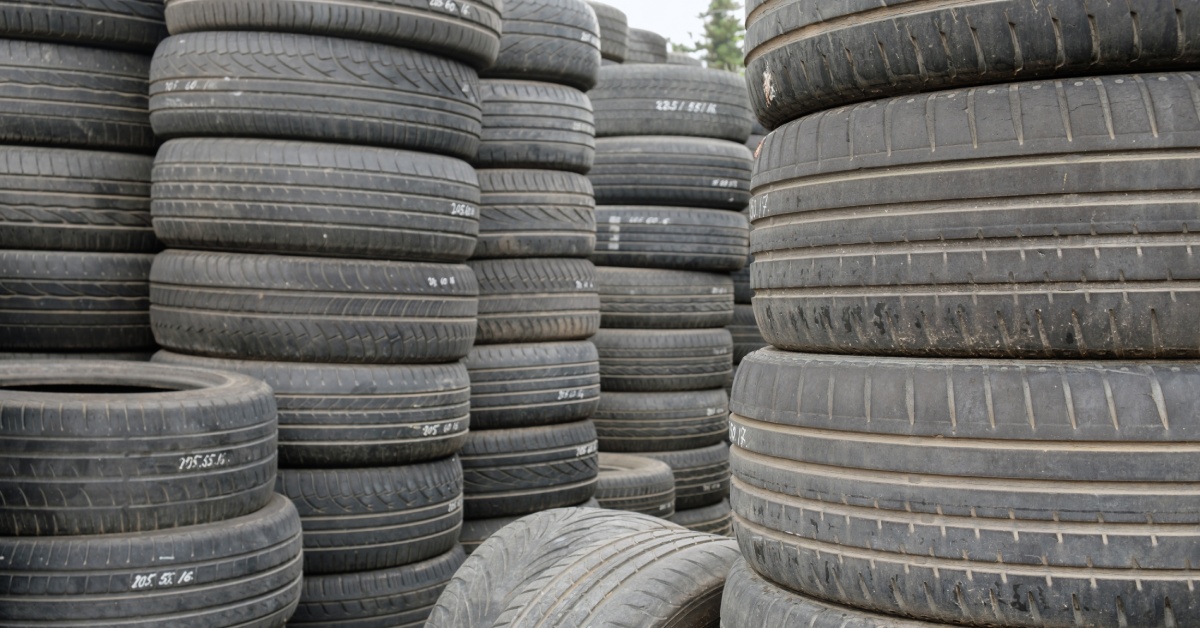
Many drivers notice tire wear for the first time during a storm. That’s because tread grooves exist to move water away so rubber can contact the road. When the tread gets shallow, water doesn’t evacuate as well, and the tire can start to ride on a thin layer of water. That’s when the risk of hydroplaning goes up, and braking distance can increase.
You might notice your vehicle feels less secure on wet roads, especially at highway speeds. You might also notice you need to slow down more than you used to for the same conditions. If rain driving suddenly feels sketchy, your tires may have crossed the line from worn to unsafe.
Tires naturally lose a small amount of air over time, but frequent top-offs signal a problem. You may have a slow leak from a nail, a leak at the bead where the tire meets the wheel, or a worn valve stem. Sometimes the tire itself can develop damage that releases air gradually.
When tires lose air, they wear faster and handle worse. Underinflated tires heat up more, flex more, and can degrade sooner. A tire that can’t hold air reliably may need repair, and in some cases, it needs replacement.
A tire can show decent tread and still be too old to trust. Rubber hardens over time, which can reduce grip and increase the risk of cracking. You can check the tire’s age by looking for the DOT code on the sidewall, which includes a date stamp that indicates the week and year the tire was made.
Age doesn’t create a single magic deadline that applies to every tire, but it should influence your decision. If your tires have been on the vehicle for many years, or if you see signs of aging like cracking or stiffness, replacement can restore safety and performance even if the tread doesn’t look completely worn out.
Tires don’t usually fail out of nowhere. They give you clues first. From wear bars to frequently losing air, your tires will tell you in many ways that they need repair or replacement. If you need new tires in Pensacola, RNR Tire Express is the place to go. Visit one of our shops today to get your tires inspected and replaced with the right fit for your vehicle. Get back on the road with confident handling and dependable traction!
By signing up you agree to our Privacy Policy.