Tires
|
May 30, 2019
Tire pressure seems straightforward until conflicting advice starts to pile up. Some drivers rely on the number on the tire, others judge pressure by appearance, and plenty assume the warning light will catch every problem before it can escalate. Those habits can lead to poor handling, uneven tire wear, and unnecessary trips to the pump.
There are a lot of common myths about tire pressure that can steer drivers the wrong way. We’ll explain what they are and why they’re wrong below!
One of the most common tire pressure mistakes starts with the number printed on the tire sidewall. That figure represents the maximum pressure the tire manufacturer allows under certain conditions. It does not necessarily represent the correct inflation pressure for your car, truck, or SUV.
Vehicle manufacturers determine recommended pressure based on factors such as vehicle weight, suspension design, tire size, and expected load. Drivers can usually find that recommendation on a label inside the driver’s door jamb. The owner’s manual may provide the same information.
A tire can lose a noticeable amount of air without appearing flat. Modern radial tires have flexible sidewalls, so visual inspection alone may not reveal a pressure problem until inflation drops considerably.
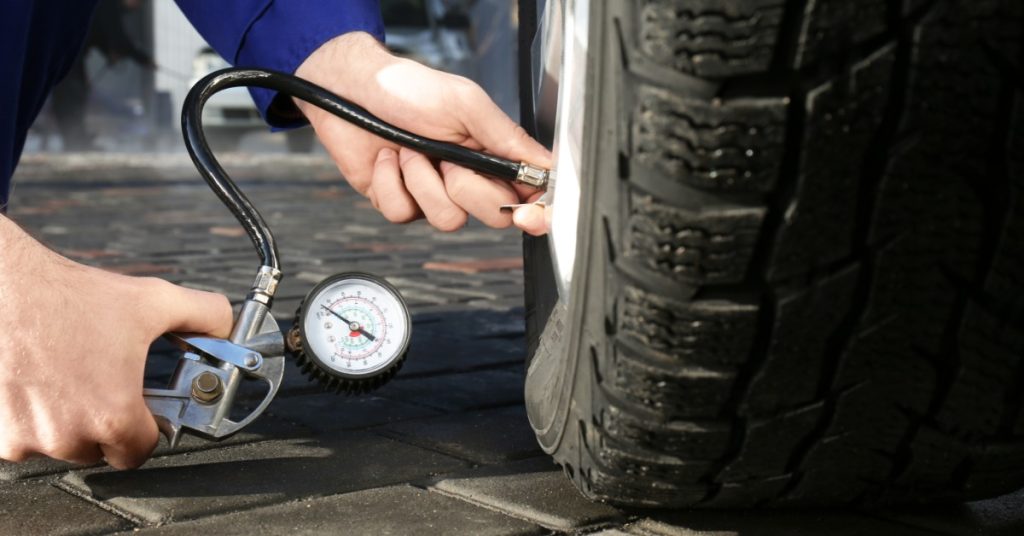
That makes a tire pressure gauge much more useful than a quick glance in the driveway. Checking all four tires gives you an actual reading and makes it easier to spot one tire that differs from the others.
Small pressure differences may not create dramatic symptoms right away. A driver might notice a slightly different steering response, increased road noise, or changes in the way the vehicle feels through turns.
Those changes can have other causes, too, which is why measuring pressure provides clearer information. A basic gauge removes the guesswork and helps drivers decide what needs attention.
Punctures and damaged valve stems can cause pressure loss, but tires can also lose small amounts of air naturally over time. Air molecules gradually move through the tire’s rubber, so inflation can decrease even when the tire has no obvious damage.
Temperature changes also affect pressure. That means a tire that seemed properly inflated several weeks ago may no longer have the same reading today.
Air pressure inside a tire generally drops as temperatures fall and rises as temperatures climb. Alabama’s seasonal temperature swings may not look as dramatic as those in northern states, but cooler mornings can still change readings.
Drivers should check pressure when the tires are cold for the most useful comparison with the manufacturer’s recommendation. Driving heats the tires and temporarily raises pressure, which can make an immediate post-drive reading misleading.
Another common myth about tire pressure that we’ll explain is that some drivers assume harder tires always create less rolling resistance and, therefore, better fuel economy. That idea can tempt people to inflate tires beyond the vehicle manufacturer’s recommendation.
Excess pressure can change the tire’s contact with the road and contribute to uneven tread wear. Any attempt to chase minor efficiency gains can create bigger problems if the tire no longer performs as the vehicle manufacturer intended.
Correct tire pressure supports handling, tread wear, comfort, and fuel efficiency. Manufacturers select their recommendations with the vehicle’s overall performance in mind rather than focusing on a single characteristic.
Keeping tires near that recommended pressure provides a much more practical approach than deliberately overinflating them. Drivers get predictable tire behavior without pushing pressure beyond the vehicle’s intended range.
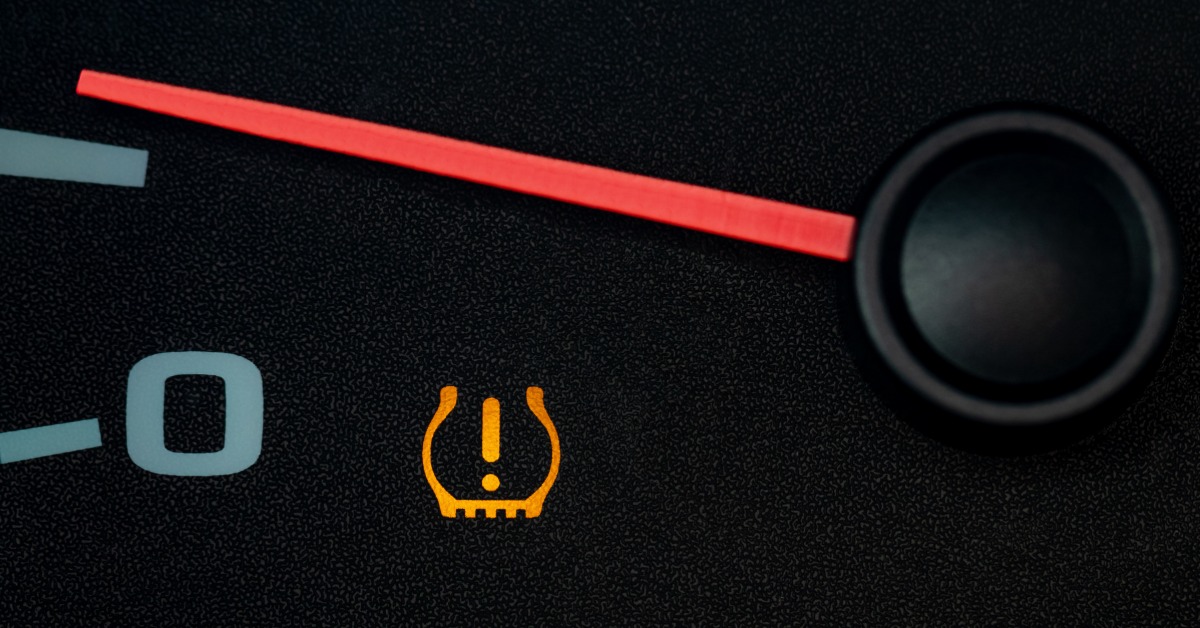
The tire pressure monitoring system (TPMS) provides a valuable warning when pressure drops far enough to trigger the system. However, it should not replace routine pressure checks.
A tire may sit below the recommended pressure without immediately activating the warning light. Drivers who depend entirely on the dashboard indicator can miss gradual changes that deserve attention.
Checking pressure manually lets drivers notice smaller differences between tires. It also gives them a chance to inspect tread condition, sidewalls, and valve stems at the same time. If the TPMS light appears repeatedly after inflation, the vehicle may need professional attention.
Many vehicles do recommend the same pressure for the front and rear tires, but that rule does not apply universally. Some manufacturers specify different front and rear pressures because weight distribution and vehicle design can vary.
Drivers should check the information provided for their specific vehicle rather than assuming every tire needs an identical reading. The door-jamb label remains one of the simplest places to confirm the correct numbers.
Some vehicles also provide different pressure guidance for heavier loads or specific operating conditions. Extra passengers, cargo, or towing demands can change how much weight the tires must support. The owner’s manual can provide instructions for those situations.
Nitrogen has become a familiar option at some tire shops, and it can escape through rubber more slowly than ordinary compressed air. That does not make nitrogen-filled tires maintenance-free.
Temperature changes, punctures, valve problems, and gradual pressure loss can still affect them. Drivers still need to check inflation and add pressure when necessary.
The type of gas inside the tire does not change the basic maintenance routine. Drivers should continue to compare cold tire pressure with the vehicle manufacturer’s recommendation. If nitrogen is unavailable, adding regular compressed air is generally better than driving on an underinflated tire.
Pressure does affect tread wear, but its influence reaches beyond how long a tire lasts. Underinflated or overinflated tires can change steering feel, traction, braking behavior, ride comfort, and heat buildup.
That makes pressure a vehicle performance issue as well as a maintenance concern. Properly inflated tires help the vehicle behave closer to the way its manufacturer intended.
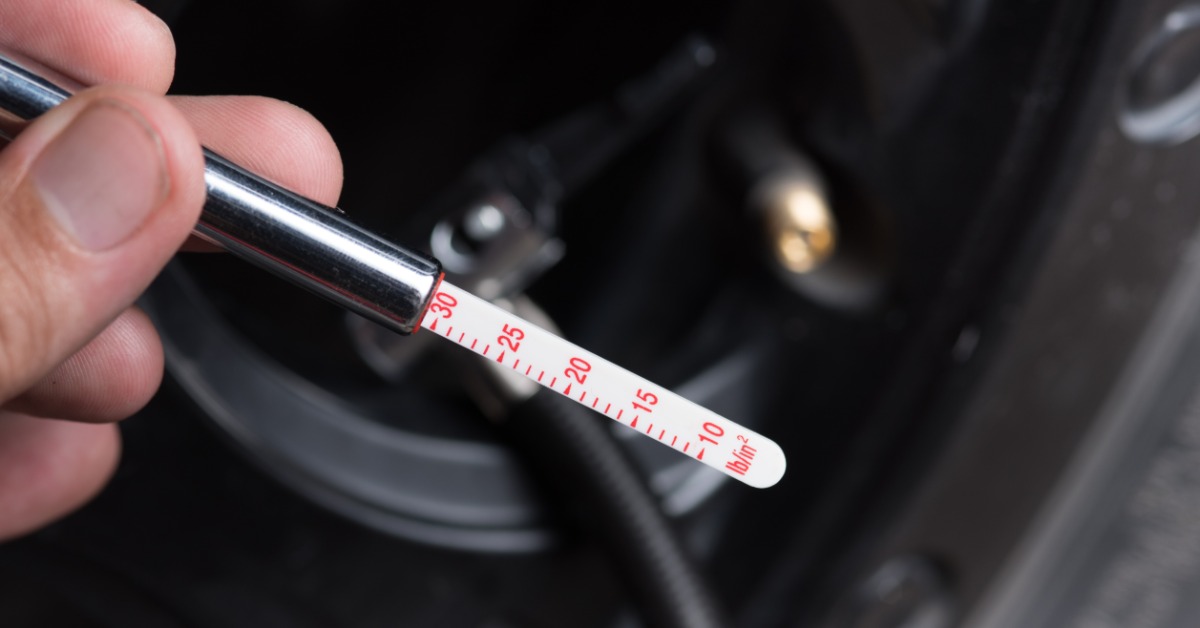
A quick pressure check can reveal a tire that continues to lose air, a seasonal pressure change, or an incorrect inflation level before the condition becomes more noticeable on the road. Drivers do not need advanced mechanical knowledge to make this part of their routine. Keeping an accurate gauge at home or in the vehicle makes regular checks convenient.
Tire pressure myths can make a basic maintenance task more confusing than it needs to be. The best approach is to rely on your vehicle manufacturer’s recommendations, check pressure with a gauge, and pay attention when one tire repeatedly loses air.
If you need to inspect, replace, or service your tires in Dothan, AL, come to the experts at RNR Tire Express! Pir team can help you find quality automotive tires, wheels, and related services while providing payment options designed to fit different budgets.
By signing up you agree to our Privacy Policy.