Maintenance
|
Jul 23, 2019
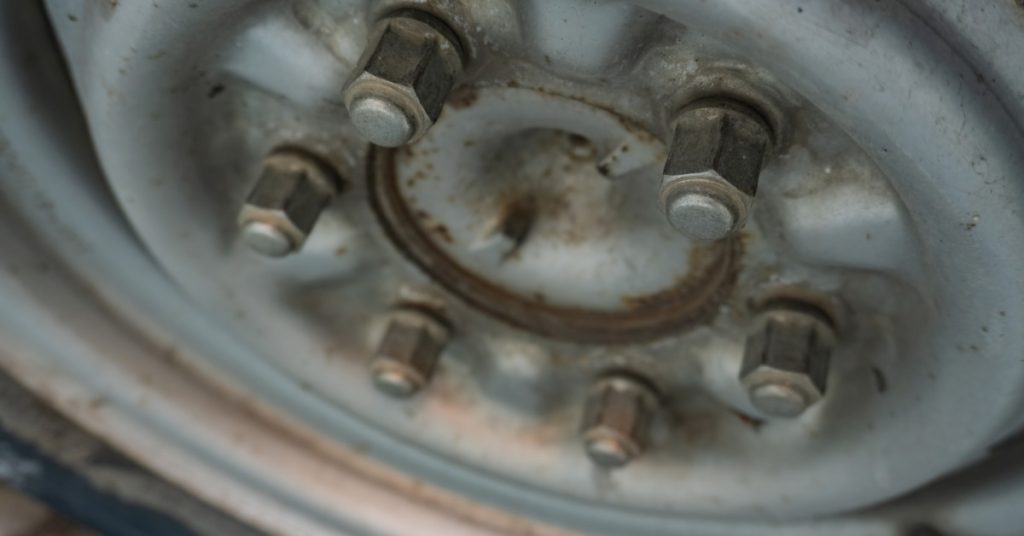
A wheel may look like one solid part once it sits on a vehicle, but its connection with the hub depends on a small set of fasteners. Lug nuts hold that connection under forces from acceleration, braking, turns, bumps, and everyday road travel. The amount of torque applied to those nuts has a direct effect on how well the wheel stays secured. That makes exploring the importance of proper lug nut torque worthwhile for any driver who wants to understand basic wheel care. Find out why proper torque isn’t just a detail for a technician to consider after a tire service.
It can seem logical to assume that tighter lug nuts provide a safer connection, but excessive torque is an issue, too. This extra force places added stress on wheel studs, lug nuts, and related components. An over-tightened fastener may stretch a wheel stud beyond its intended range. Threads can also sustain damage. In some cases, excess force can contribute to brake rotor distortion or create trouble when the wheel needs to come off later.
This is one reason an impact wrench shouldn’t serve as the final measure of torque. The tool can help install fasteners with speed, but a torque wrench provides the controlled final check. Precision matters more than brute force at this stage of wheel service.
Too little torque creates a different concern. A loose lug nut may fail to provide enough clamp load to keep the wheel seated as intended. Road forces can then place extra stress on the remaining fasteners.
A driver may notice vibration, unusual wheel noise, or a change in how the vehicle feels. Those symptoms deserve prompt attention rather than another few days on the road. Continued vehicle use with loose fasteners is an easy way to ruin studs, lug holes, or other wheel components. Severe cases can create a major safety hazard if the wheel loses a secure connection with the hub. Proper installation helps prevent the situation from reaching that point.
Correct torque isn’t only about the final number. The order used to tighten lug nuts also matters because the wheel should seat evenly on the hub. Technicians commonly use a crisscross sequence on wheels with multiple lug nuts.
This approach distributes force evenly on the wheel rather than concentrating clamp pressure in one area first. The exact sequence depends on the number and arrangement of fasteners. A gradual process also helps. Rather than force one lug nut to its final specification before the others have seated, a technician can bring the fasteners up in a controlled sequence.
Tire replacement, rotation, brake service, and some suspension repairs all require wheel removal. Every time a wheel comes off, the lug nuts eventually need proper installation again. A routine service visit includes a small detail with a large mechanical role.
Several factors deserve attention after you reinstall the wheel:
These steps don’t require complicated explanations for a driver to appreciate. They reflect careful workmanship at a point where the wheel connects directly to the vehicle.
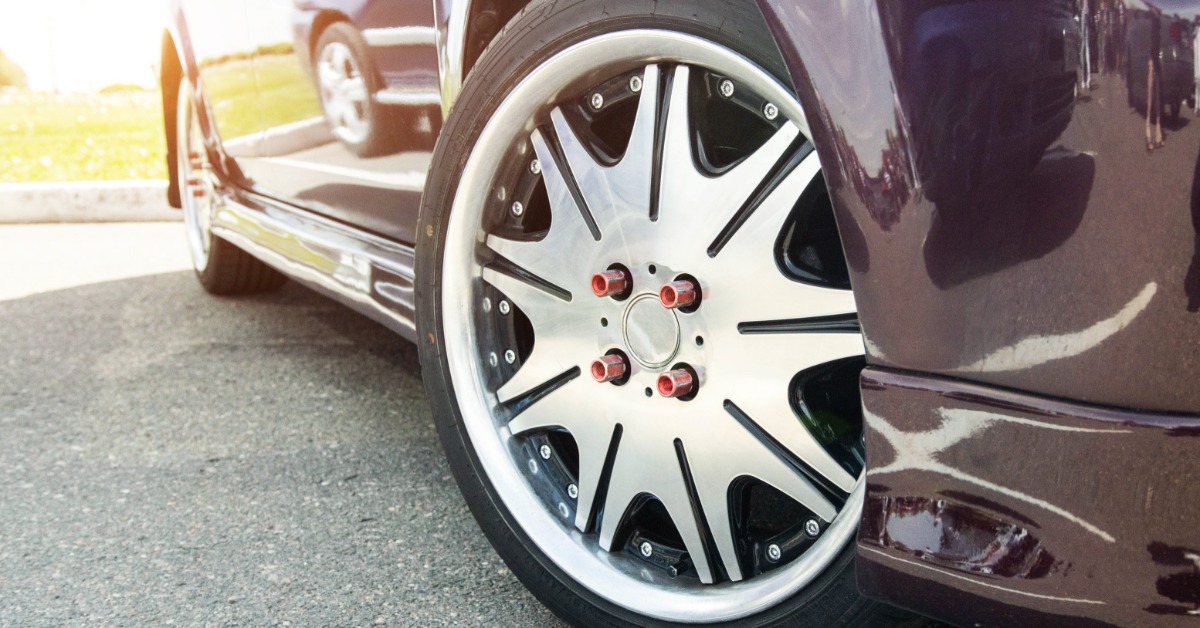
Drivers who choose custom wheels may encounter different hardware from the equipment that came with the vehicle. Lug nut seat styles, dimensions, and other fitment details can vary among wheel designs. The seat must fit the wheel’s lug hole design. Common designs include conical, ball, and flat seats. A mismatch can prevent the lug nut from contacting the wheel as intended, even if someone can thread the nut onto the stud.
Proper torque can’t compensate for debris trapped between the wheel and hub. Rust, dirt, or other material on the contact surfaces keep the wheel from sitting flush with the hub. Even a small obstruction can interfere with the way clamp force travels through the wheel assembly.
A careful wheel installation includes a look at these contact areas before the wheel goes back onto the vehicle. The surfaces should allow the wheel to sit flat and maintain consistent contact with the hub. This detail adds another layer of precision to tire rotations, replacements, and other services that require wheel removal. Good wheel service starts before a technician reaches for the torque wrench. The condition of the mounting surfaces helps set the stage for proper lug nut installation.
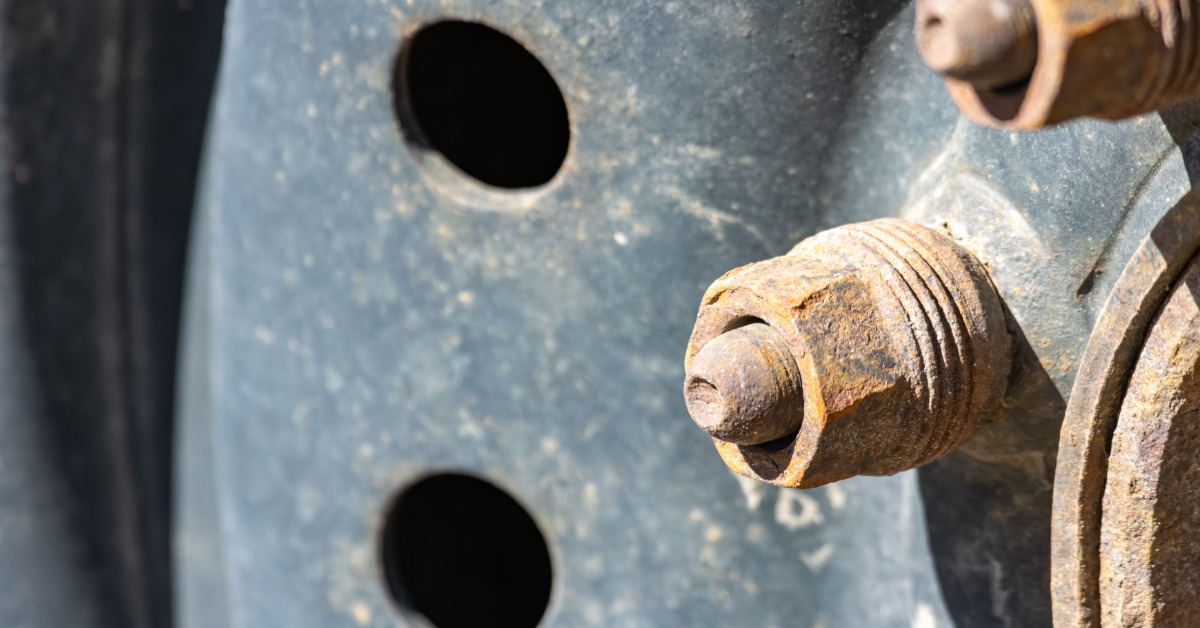
Lug nuts don’t last forever under every circumstance. Corrosion, damaged threads, cross-threaded fasteners, or previous over-tightening can leave hardware in poor condition. Applying the specified torque to compromised parts doesn’t restore them to proper condition.
Technicians can inspect the studs and lug nuts when a wheel comes off. Threads should allow the fasteners to seat as intended without resistance caused by damage. Lug nuts featuring distorted threads or a stud with visible defects may call for service before the wheel goes back into regular use. This inspection can also reveal clues from past wheel service. Hardware damage may not attract a driver’s attention during a normal walk around the vehicle, but wheel removal provides a useful chance to spot trouble before another installation.
Many drivers handle basic automotive tasks at home, but lug nut installation deserves more precision than a standard wrench and a strong pull. Guesswork can leave fasteners too loose or push them far beyond their specified torque. A torque wrench removes much of that uncertainty when it is used correctly and set to the proper specification.
The technician also needs to inspect the hardware, use the correct sequence, and account for the wheel installed on the vehicle. That broader process explains why exploring the importance of proper lug nut torque goes beyond one number on a torque wrench. The specification matters, but so do the hardware, procedure, and final verification.
Lug nuts don’t attract much attention when everything works as intended. Still, they handle a demanding job every time a vehicle hits the road. Correct torque helps maintain proper wheel attachment without exposing fasteners to needless force. Pick up tires in Pensacola today and make sure your setup is properly cared for. Refer to the guide above any time you need to refine your knowledge before getting hands-on with lug nuts.
By signing up you agree to our Privacy Policy.