Tires
|
May 30, 2019

Electric vehicles have changed what drivers expect from everyday performance, and tires have had to change right along with them. While many people assume a tire is a tire, the truth is that electric vehicle tires differ from regular tires. Those differences affect everything from traction to treadwear. For drivers comparing replacement options, it helps to know why the right tire matters so much before making a decision.
The unique demands on electric vehicle tires stem from the car being heavier than comparable gas-powered models and delivering power much faster. Battery packs add weight that changes how the tire supports the vehicle through braking and cornering, while instant torque puts more force into the tread the moment the accelerator is pressed. EVs also run more quietly, so road noise becomes easier to hear inside the cabin. Tire manufacturers respond by designing options that better support strength, efficiency, traction, and ride comfort.
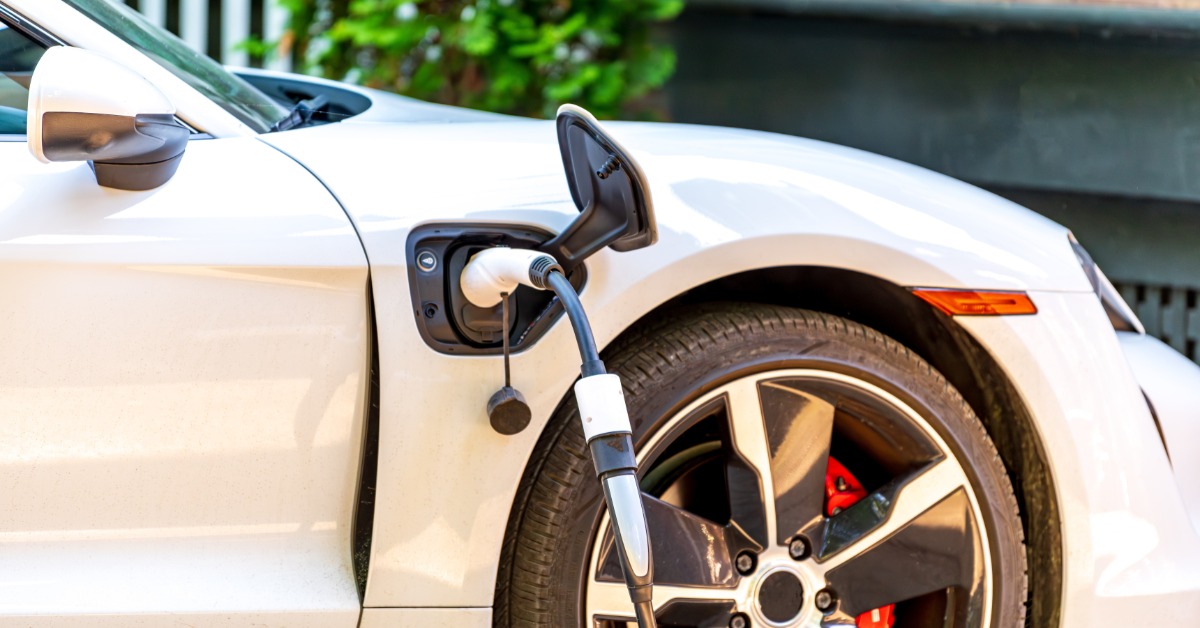
The biggest differences between EV tires and regular tires lie in how they are built and how they are expected to perform. Each design element serves a specific purpose, which is why the features work together instead of acting like interchangeable upgrades.
EV tires feature reinforced construction to handle the added weight. A stronger internal structure helps the tire stay stable under load, especially when the vehicle is accelerating hard or braking suddenly. The design of sidewalls and internal belts supports that extra stress without making the tire feel overworked on the road.
Rubber compounds for EV tires are commonly developed with a different balance in mind than those used on regular tires. Engineers need the tread surface to grip well while also resisting faster wear from instant torque. A compound that is too soft may wear down quickly, while one that is too hard may reduce the secure road feel drivers expect. EV tire compounds are tuned to preserve tread life without making the vehicle feel dull or harsh.
Low rolling resistance technology matters more on an electric vehicle because the tire directly affects how efficiently stored battery energy is used. A tire that rolls with less resistance helps reduce the amount of energy needed to keep the vehicle moving at everyday speeds. Better efficiency can support driving range, which is a major concern for many EV owners.
Noise-reduction features are far more important on EV tires because electric vehicles do not have the same engine sound masking what happens at the road surface. Tread interaction with the pavement becomes more pronounced in a quiet cabin, so tire design plays a greater role in how refined the vehicle feels. Some EV tires are designed with tread patterns or internal materials that help reduce unwanted noise. A quieter tire can make daily driving feel smoother at city or highway speeds.
Aerodynamic tread patterns help EV tires improve efficiency by reducing drag and enhancing tire performance through the air and across the road surface. Small design changes in the tread or shoulder area can contribute to a more energy-efficient setup without sacrificing everyday control. EV tire design is rarely about appearance alone, even when the tread looks different from a regular tire.
Drivers notice the difference in everyday feel before they understand the engineering behind it. An EV tire may feel more planted when the vehicle launches from a stop because it is designed to manage quick torque delivery with less slip. Steering can feel more settled under the extra mass of the vehicle, especially during braking or lane changes. Efficiency can show up in daily ownership as well, because the right tire may help the vehicle hold onto more usable range from one charge to the next.
Most EV tires last about 30,000 to 40,000 miles, while many regular tires can last closer to 40,000 to 60,000 miles, depending on the vehicle, tire type, and driving conditions. Electric vehicles tend to wear through tires faster because of their heavier weight and instant torque. Aggressive acceleration, missed rotations, and improper inflation can shorten that lifespan even more. Drivers who stay on top of tire maintenance usually get the best life possible from their EV tires.
EV tires usually cost more because their unique design addresses multiple challenges at once. Manufacturers are trying to balance complexity with several needs into a single tire that goes beyond passenger-car requirements. A lower-priced regular tire may seem appealing at first, but it may not deliver the same durability or performance on an electric vehicle.
A regular tire can sometimes fit an EV on paper, but matching the size does not automatically mean it is the right choice for the vehicle. Load capacity, tread behavior, efficiency, and road noise all matter when the tire is working under electric-vehicle conditions. A regular tire that is not designed for those demands may wear faster, sound louder, or affect how the vehicle feels on the road. Drivers who want to protect ride quality and get the best results from their vehicle are usually better off choosing a tire designed with EV performance in mind.
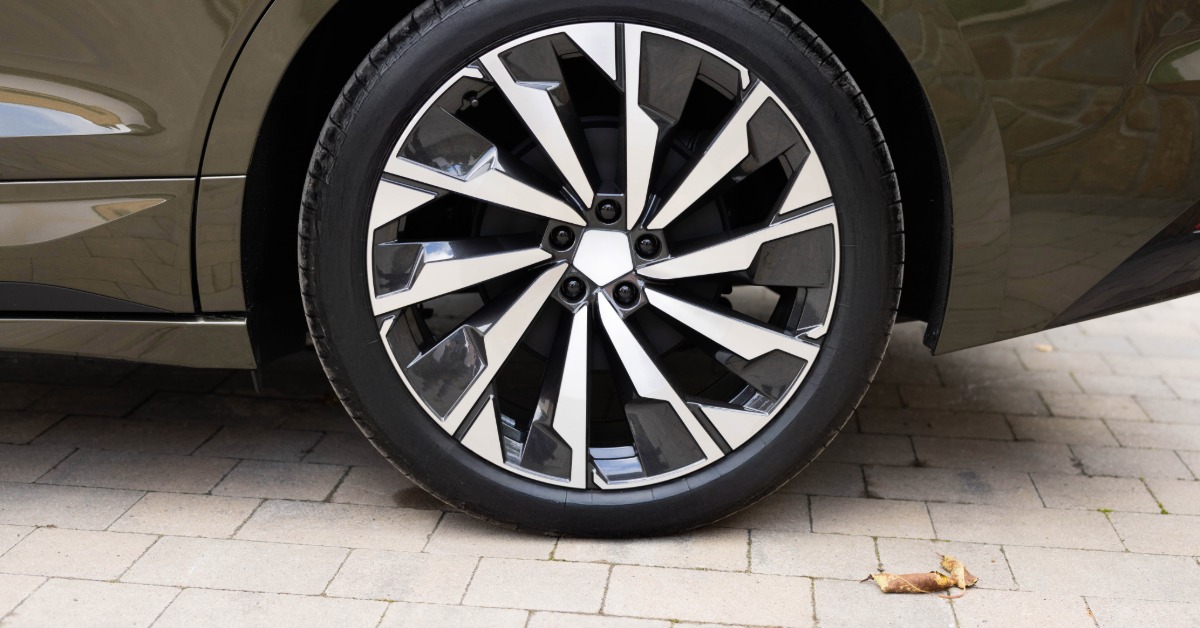
Choosing the right tire for an electric vehicle means paying attention to how the vehicle actually uses its tires every day. Drivers shopping for tires in Pensacola can count on RNR Tire Express for help comparing options that fit their vehicle and daily driving needs. RNR Tire Express is here to serve with tire solutions that make sense for both performance and long-term value.
Electric vehicles demand more from their tires than many drivers expect, which is why replacement decisions deserve closer scrutiny. Understanding how electric-vehicle tires differ from regular tires can help drivers choose a set that better matches their vehicle’s on-road performance. When it’s time for an upgrade, don’t forget RNR Tire Express!
By signing up you agree to our Privacy Policy.