Tires
|
May 30, 2019
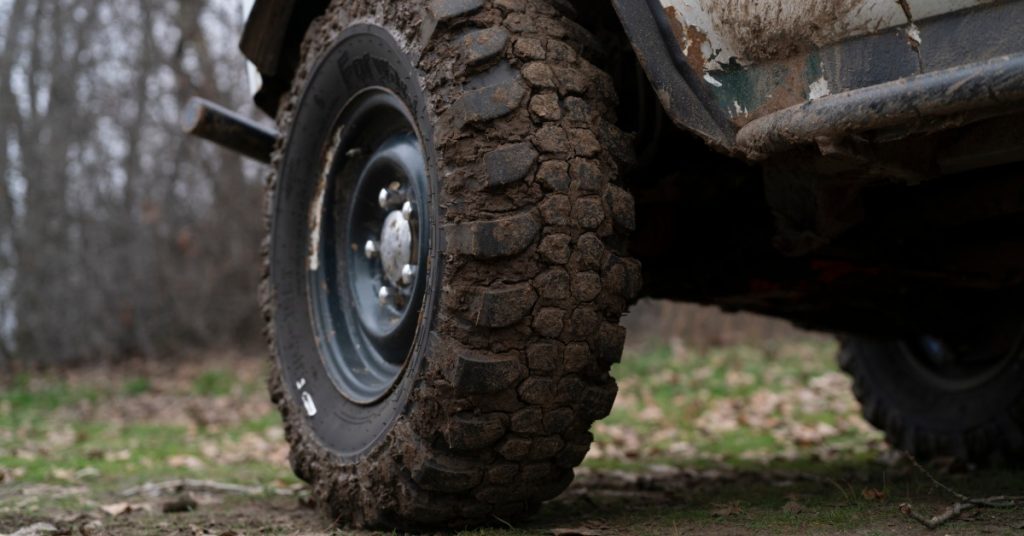
The wrong tires do not announce themselves politely. They show up as a truck that slips on a muddy jobsite entrance or a ride that gets louder and rougher than it should on the highway. Choosing the right tires for different terrains means thinking beyond size and price so your vehicle has the road manners your routes demand. Once you know what each surface asks from a tire, the right choice starts to make a lot more sense.
Tire design starts with the surface the tire needs to grip. A tire that works on pavement throughout the city will not act the same when you drive it over muddy roads leading to your cottage. When drivers ignore that difference, the tire works harder than it should.
Everything about a tire’s construction determines how it behaves on the road. A soft compound grips better in cold weather, but it wears faster in heat. A reinforced sidewall helps protect against rocks, yet it may make daily driving firmer. Terrain should guide the choice because every design decision creates a tradeoff.

City and highway drivers need tires that stay quiet and handle quick steering inputs without feeling harsh. Touring tires and all-season passenger tires usually suit this driving style because they prioritize comfort and predictable traction. These tires help drivers deal with rain, warm pavement, and stop-and-go traffic without adding extra tread aggression.
Drivers shopping for tires in Dothan, AL, should consider local road conditions before choosing a set. A daily route filled with highways points toward a tire built for long tread life and steady road manners. A route with rougher streets might call for a slightly stronger construction.
Gravel roads create a different challenge because small stones move under the tread. A highway tire could slide across loose gravel before it finds grip, which makes braking less controlled. All-terrain tires usually handle this surface better because their tread blocks create more edges for the tire to press into uneven ground.
Rural drivers should pay close attention to chip resistance. Gravel throws sharp debris against the tread and sidewalls, so a tougher tire better protects against cuts. The best choice still needs to stay reliable on pavement because many rural routes move between gravel and asphalt during the same drive.
Mud needs space to escape from the tread. If the grooves pack full, the tire turns slick and loses its ability to dig. Mud-terrain tires use wide voids and bold tread blocks to keep the pattern open as the wheel rotates. The design assists the tire to claw through soft ground rather than spin in place.
This type of tire does not suit every driver. Mud-terrain designs tend to produce more road noise and usually ride rougher than touring or all-terrain options. They make the most sense for drivers who regularly encounter clay roads or deep, wet ruts.
Sand rewards flotation more than digging. A tire that digs too aggressively sinks, making the vehicle work harder and increasing the chance of getting stuck. Tires for sand usually benefit from a wider footprint and a tread pattern that moves across the surface with less disruption.
Drivers should think about heat when choosing tires for sandy terrain. Hot surfaces increase stress on the rubber, so tire condition and proper inflation need closer inspection. A tire with a stable carcass and a suitable load rating provides the vehicle with better support when the ground shifts beneath it.
Rocky terrain attacks the tire from several angles. The tread needs grip on uneven surfaces, and the sidewall needs protection from sharp edges. Off-road tires built for rocks use stronger construction to resist punctures during slow, controlled driving.
Technical trails require more than deep tread. Drivers need a tire that holds its shape under pressure and consistently places rubber against the rock. A tire with strong sidewall lugs adds grip when the vehicle leans against obstacles, but that extra toughness usually changes how the tire rides on pavement.
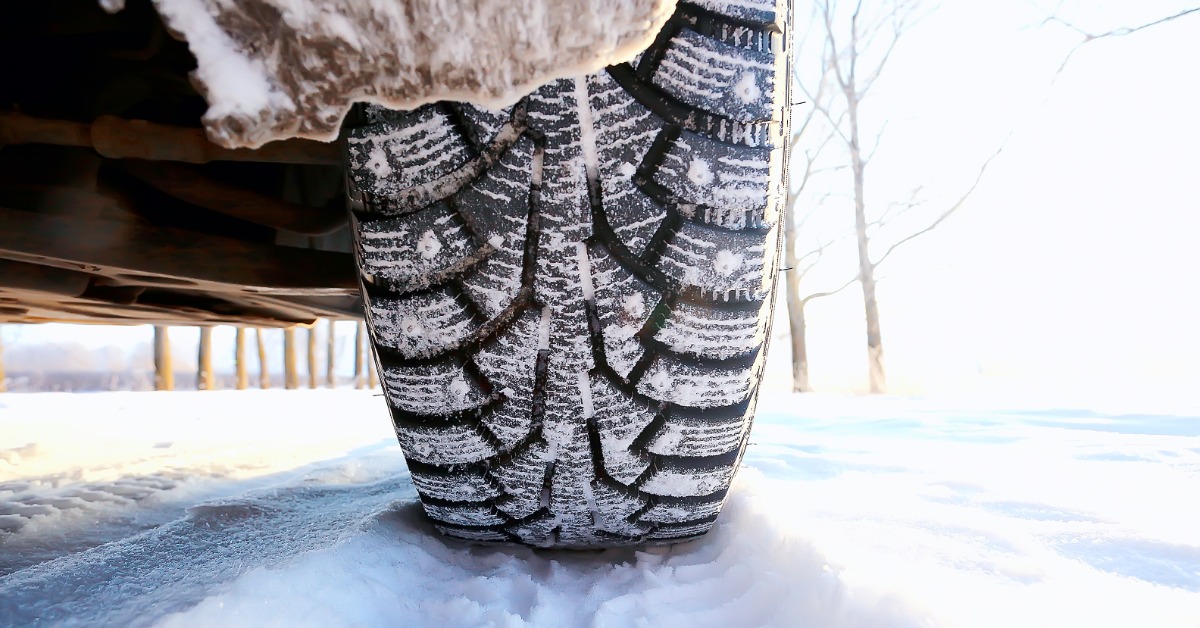
Snow and ice demand a rubber compound that stays flexible in cold weather. Standard all-season tires harden as temperatures drop, which reduces their ability to grip. Winter tires use specialized tread patterns and small biting edges so the tire can grab packed snow and slick surfaces.
Ice creates the toughest test because it offers very little texture. In regions where winter weather lasts, dedicated winter tires offer a major advantage over general-purpose designs. Drivers who only see rare cold snaps might choose an all-weather tire, but true winter conditions deserve a tire built for that season.
Start by naming the surface you drive on most, not the surface you visit once in a while. A tire should serve your weekly routine first because that is where most wear, fuel use, and comfort issues show up. Weekend adventures still matter, but they should not take precedence over the vehicle’s daily needs.
RNR Tire Express assists drivers in comparing tire options based on how they use their vehicles. The right conversation looks at commute length, road conditions, load needs, and personal driving style without pushing every driver toward the most aggressive tread. That approach keeps the choice practical.
Some drivers need more than one tire setup. A winter set protects performance in long, cold seasons, and an all-terrain or mud-terrain set aids drivers who spend part of the year on demanding surfaces. Switching tires makes sense when one set would force too many compromises across the year.
Storage and cost should factor into the decision. Drivers who switch seasonally need to plan ahead instead of waiting until the weather or terrain creates a problem. RNR Tire Express offers tire and wheel packages with payment options, awarding drivers with a practical way to prepare for changing road needs.
A road does not care what a tire was designed to do on paper; it only responds to how well that tire handles the surface beneath it. Choosing the right tires for different terrains gives every mile a more confident foundation, whether the road stays smooth or becomes unpredictable. When you are ready to compare options without the guesswork, RNR Tire Express is here to help you find the right options for your ride.
By signing up you agree to our Privacy Policy.