Tires
|
May 30, 2019
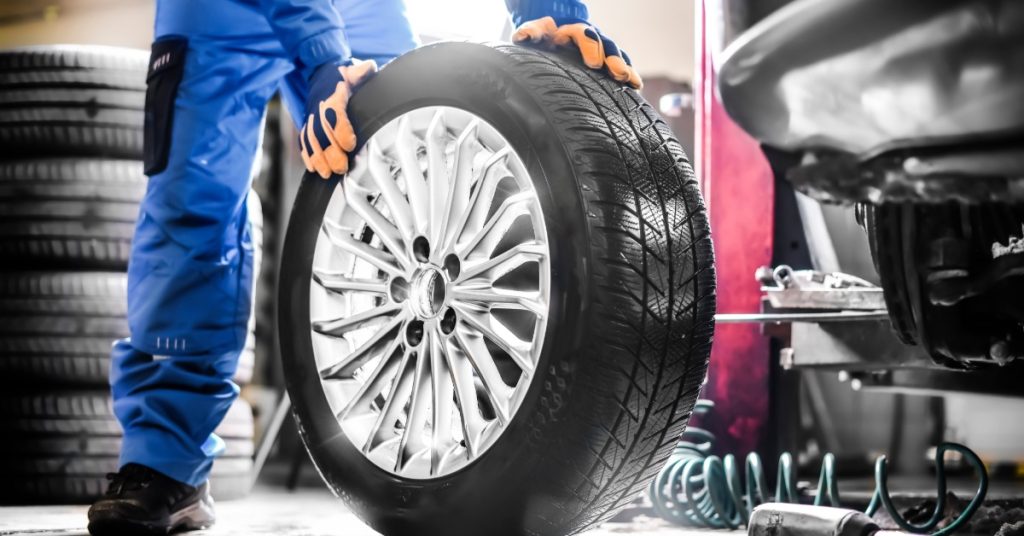
Your tires say a lot about how you drive before you ever press the gas pedal. Some drivers want aggressive tread that looks ready for anything, while others care more about smooth highway control and daily comfort. That’s where the difference between hybrid and traditional tires starts to matter in a real way. If you’re investing in new rubber for your truck or car, knowing what separates these two options can help you avoid buying something that doesn’t match your lifestyle.
Hybrid tires are built for drivers who don’t stay in just one lane of driving. They sit between traditional highway tires and fully aggressive off-road options, offering a middle-ground solution for mixed use. Instead of committing to a single driving environment, hybrid tires are intended to support both paved roads and unpaved terrain within the same set.
This category has grown in popularity among truck and SUV owners who want flexibility without constantly switching tire types. Hybrid tires are not extreme in either direction. They are designed for drivers who want one dependable option that adapts to changing road conditions while still fitting into everyday life.

Traditional tires are built within clearly defined categories, with each type engineered for a specific driving environment. Common categories include all-season, passenger, touring, all-terrain, and mud-terrain tires. Each design follows a focused purpose rather than blending multiple use cases into one structure.
Because of this category-based approach, traditional tires are straightforward to compare. When you choose one, you’re selecting a tire built specifically for a certain type of driving instead of a hybrid between different environments.
The clearest distinction between hybrid and traditional tires begins with tread design. Hybrid tires use an intermediate tread pattern that sits between highway and aggressive off-road styles. The voids between tread blocks are more open than traditional passenger patterns, yet not as widely spaced as full all-terrain or mud-terrain tires. Siping (slits in the tread blocks to increase traction) is carefully integrated to support multi-surface contact without pushing the tread into a highly specialized category.
Rubber compounds further separate the two. Hybrid tires are formulated to balance durability with everyday road comfort, blending resilience with controlled flexibility. Traditional tires, by contrast, are developed around a single driving focus, so the compound reflects that narrower intent.
Sidewall construction follows a similar philosophy. Hybrids are commonly reinforced for added strength, though they are not as rigid as dedicated off-road designs. Many hybrid tread layouts also incorporate block sequencing intended to limit excessive hum, distinguishing them structurally from louder all-terrain patterns.
Drivers typically notice performance differences when transitioning between surfaces. Hybrid tires can feel firmer and slightly louder on smooth pavement due to their more aggressive tread pattern. However, they tend to provide a stronger grip on gravel roads or uneven terrain.
Traditional highway or all-season tires usually deliver a quieter, smoother ride during daily commuting. Steering response may feel more predictable at consistent speeds because the tread pattern is optimized for pavement contact.
Wet traction can vary depending on design. Hybrid tires channel water effectively through larger grooves, while traditional tires rely on siping and tighter tread layouts for hydroplane resistance.
Braking feel, road noise, and vibration levels are all influenced by tread structure. The difference is not necessarily about better or worse performance. It’s about matching the tire’s design intent with the environment you drive in most often.
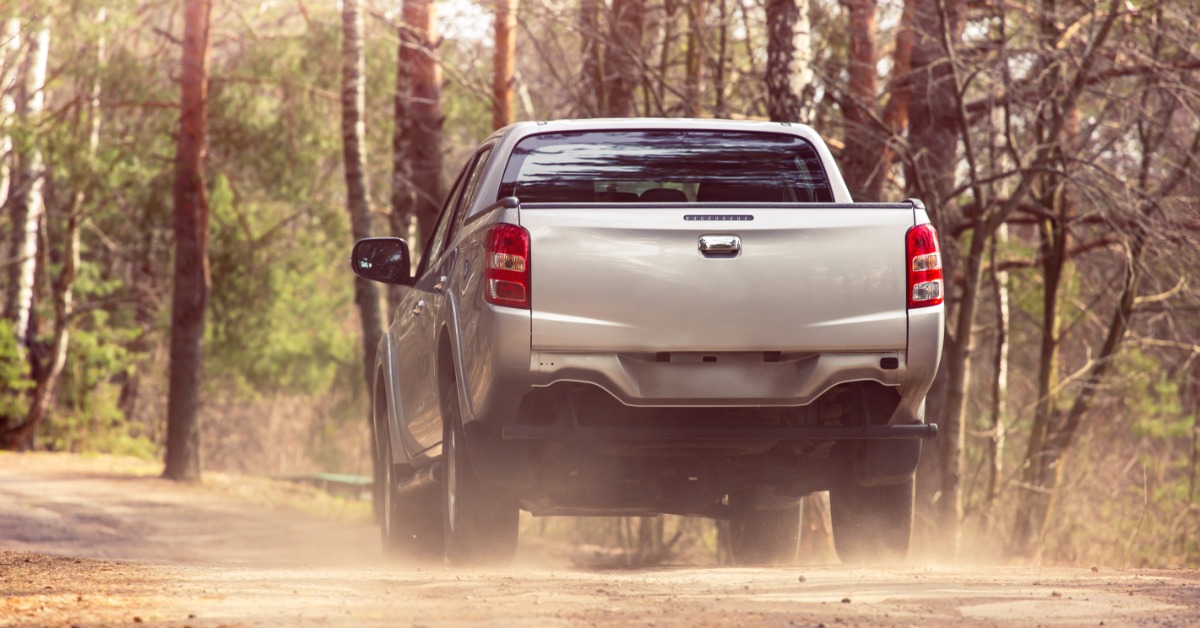
Hybrid tires make the most sense for drivers whose routes expose them to changing road conditions throughout the week, even if they aren’t intentionally seeking off-road terrain. They’re especially useful when the environment, not the driver’s habits, creates unpredictable traction demands.
They tend to be the better fit when a vehicle regularly encounters the following scenarios:
Hybrid tires also make sense for drivers who want one tire that stays dependable across these fluctuations without needing to switch sets or compromise traction during the parts of the week when conditions are less predictable. They’re not meant for extreme off-road use, but they excel in the gray areas where the above variables combine to create inconsistent driving surfaces.
Hybrid tires usually cost more upfront than standard highway or touring tires because they are designed for broader use. That expanded capability often places them at a higher price point than single-purpose traditional options.
Value becomes clearer over time when you consider replacement cycles and overall ownership planning. Choosing the correct category from the start can reduce the likelihood of switching tire types sooner than expected. At RNR Tire Express, our flexible payment options help drivers manage the initial investment while keeping long-term budgeting predictable.
Choosing between hybrid and traditional tires starts with an honest look at your routine. Consider how often you leave paved roads and the type of conditions you encounter throughout the year. Think about noise tolerance, ride feel, and aesthetic preference.
If you primarily commute on highways in the Gulf Coast region, a traditional all-season or highway tire may offer the comfort you expect. If your schedule includes uneven terrain or unpredictable surfaces, hybrid tires may deliver added confidence.
Speaking with a knowledgeable team can simplify the decision. Whether you’re searching for a Pensacola tire shop or visiting another Gulf Coast location, RNR Tire Express focuses on helping drivers match tires to real-world needs.
The right set of tires should support how you use your vehicle daily, not just how they look on the lot. Understanding the difference between hybrid and traditional tires gives you the clarity to choose with confidence instead of guesswork. When your tires match your driving habits, every mile feels more controlled and predictable. If you’re ready to upgrade, RNR Tire Express is here to serve you with options that fit both your vehicle and your budget.
By signing up you agree to our Privacy Policy.