Tires
|
May 30, 2019
A tire can look fine from a few feet away and still be closer to the end of its life than you think. That is what makes tread depth worth checking before the next downpour or routine drive across town. Learning the best ways to measure your tire tread depth gives you a quick read on how much grip your tires still have without turning it into a complicated inspection. Once you know what to look for, those grooves start telling a much clearer story.
Tire tread depth is measured in 32nds of an inch. New passenger tires commonly start around 10/32″ or 11/32″, though the exact depth depends on the tire style. As that tread wears down, the tire gradually loses some groove depth that helps it manage wet roads.
Many drivers use 4/32″ as the point at which wet-weather traction warrants closer attention. At 2/32″, the tire is considered legally worn out in many places and should be replaced. Waiting until that point leaves little margin for error, so measuring before the tire looks bald is the smarter habit.
Each tread check gives you slightly different information. Some methods suit a quick driveway check, and others give a more exact reading. The best method depends on how accurate you want the measurement to be and whether the tire shows signs of uneven wear.
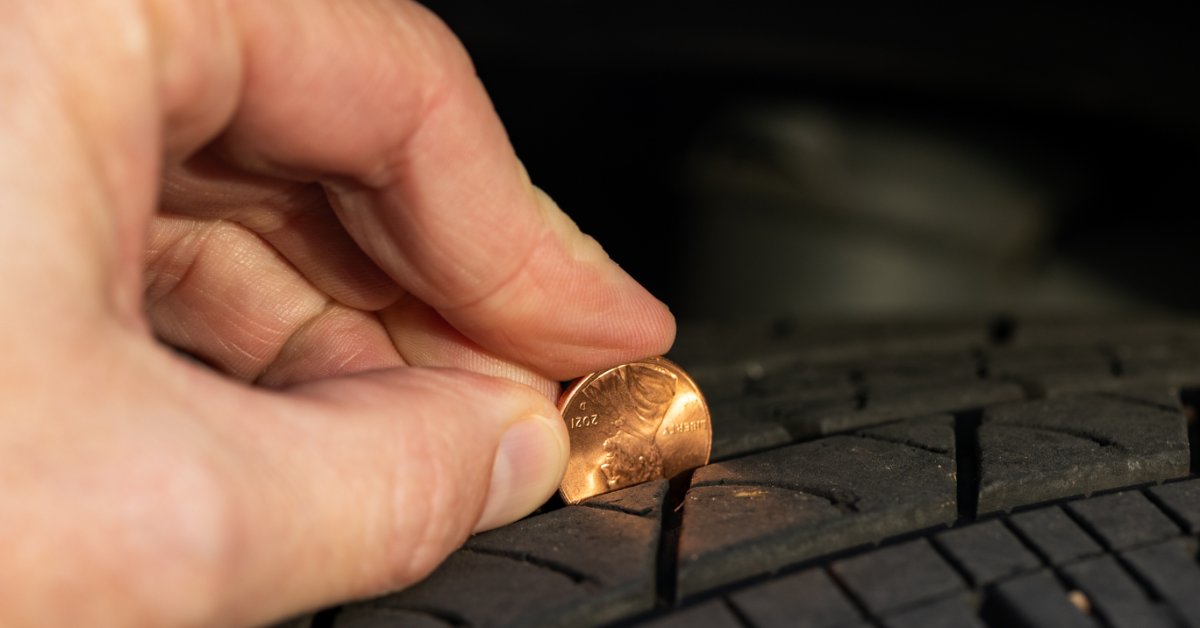
The penny test is one of the easiest ways to check whether tread has dropped near a critical level. Place a penny into a main tread groove with Lincoln’s head facing downward. If you see his entire head, the tread is extremely low, and the tire needs prompt attention.
This test works because it gives you a quick visual reference. It is not the most precise method, but it is useful when you want an immediate indicator.
The quarter test gives you an earlier warning than the penny test. Take a quarter with the head of Washington upside down and place that into the tread groove. If the tread does not reach the top of Washington’s head, the tire is getting low enough to deserve a closer look.
This method helps drivers who do not want to wait until the tread is nearly gone. It gives you a better chance to plan for replacement before rain or daily commuting puts more stress on the tire. Think of it as a simple check for remaining breathing room.
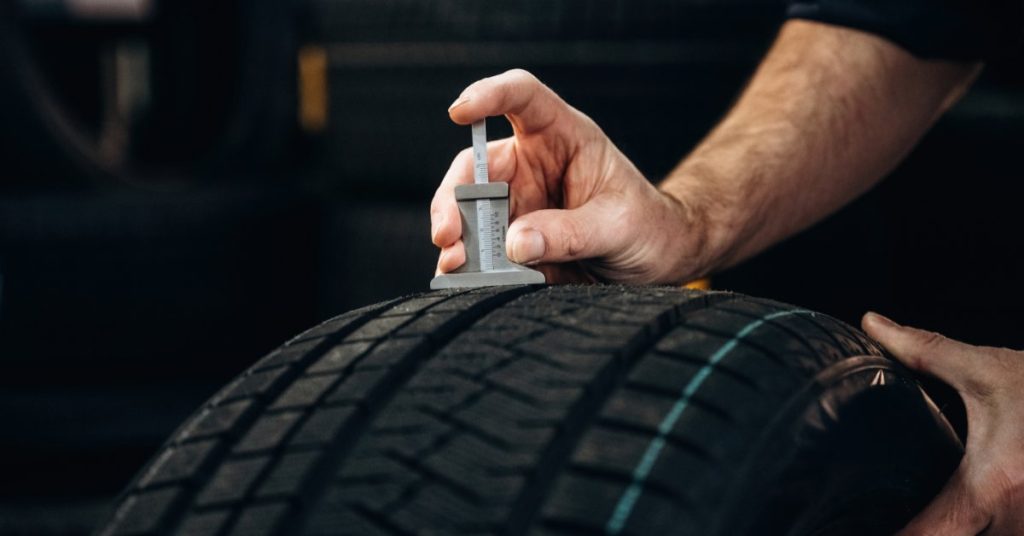
A tread depth gauge gives the clearest reading for most drivers. Insert the probe into the main groove, press the tool’s shoulders flat against the tread, and read the measurement. Many gauges are small enough to keep in a glove box.
The main advantage is precision. Instead of judging tread depth by a coin, you get a number that you can compare over time. That number helps you understand whether all four tires are wearing at a similar pace.
Most tires have a tread wear indicator molded into the grooves. These raised bars sit lower than the surrounding tread when the tire is still in better shape. As the tread wears down, the bars grow closer to being level with the tread surface.
When the tread sits flush with those bars, the tire has reached its wear limit. This method works well because the indicators stay with the tire at all times.
A ruler or caliper works when you want a measurement but do not have a tread depth gauge nearby. A ruler with 32nds of an inch is best, but a caliper gives an even cleaner reading if you already have one. Place the measuring edge into the groove and keep it straight.
This method takes a little more patience than using a dedicated gauge. It is useful when checking a single tire in detail, since you need steady placement to obtain a reliable reading. Measure the same way each time so that your readings stay consistent.
A professional tread depth check adds context to the number. A tire shop looks at the depth, then pairs that reading with the wear pattern across the tire. The detail counts because one decent section does not rule out shoulder or center wear.
If your tread wear looks uneven or your vehicle suddenly feels different on the road, a professional tread depth check can help connect the dots. Drivers shopping for tires in Mobile, AL, often visit RNR Tire Express for a closer look because the team can explain what the tread pattern may indicate about the tire’s condition.
Measure tread depth in at least three spots across each tire. Check the inner, center, and outer edges to avoid missing uneven wear. One clean reading in the middle does not tell the full story if the shoulder is already worn down.
Take measurements when your vehicle is parked on level ground. Turn the front wheels slightly if that helps you see the tread more clearly. Use the same method on every tire, then compare the results so one tire does not hide a developing issue.
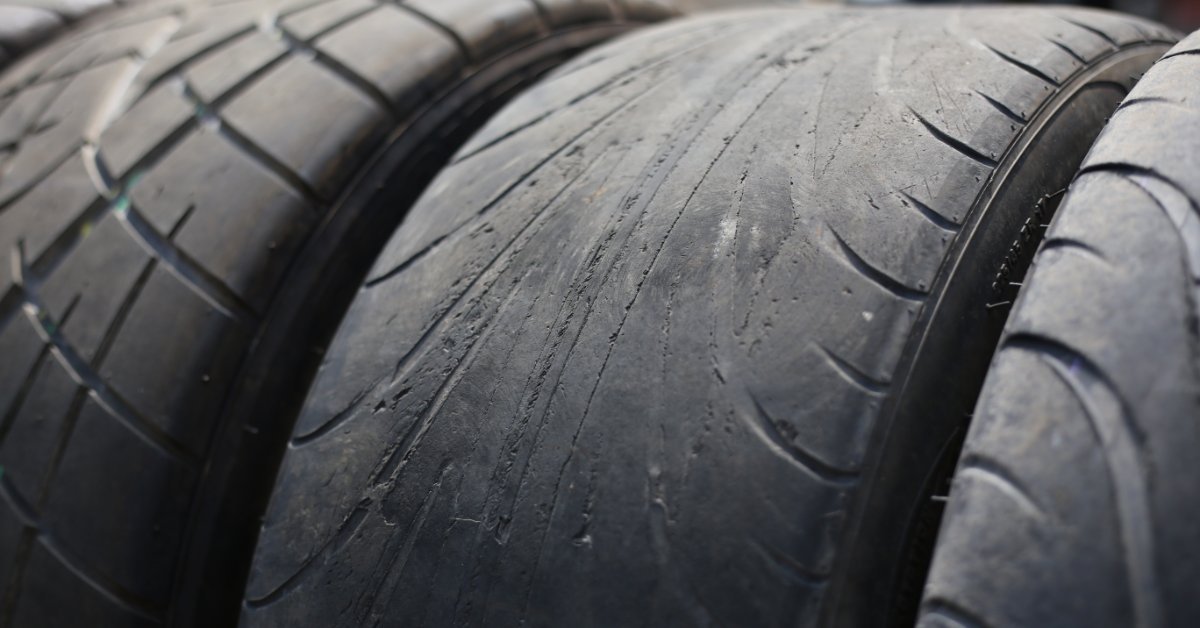
Low tread depth means it is time to stop guessing and start planning. If the tire is near 4/32″, keep a closer eye on wet-road performance and replacement timing. If it is at 2/32″, replacement should not wait.
Look at the wear pattern before choosing your next step. Smooth wear across the tire suggests normal use, but uneven wear points toward another issue you won’t want to ignore. Alignment, tire pressure, and rotation habits influence how the tread wears over time.
Good tire habits help you get more value from every set. Keep tire pressure at the vehicle manufacturer’s recommended level because poor inflation changes how the tread contacts the road. Rotate your tires on a consistent schedule so the same positions do not carry the same wear load for too long.
Driving habits have a real impact, too. Hard braking and fast starts wear tread faster than smooth inputs. When tires reach the point where replacement makes sense, RNR Tire Express helps drivers choose safe, high-quality tires and wheel packages, with payment options tailored to different budgets.
The best ways to measure your tire tread depth give you a clearer picture of what is happening where your tires meet the road. A few minutes with a coin, gauge, ruler, or professional check can help you make a better decision before worn tread affects your drive.
By signing up you agree to our Privacy Policy.