Tires
|
May 30, 2019
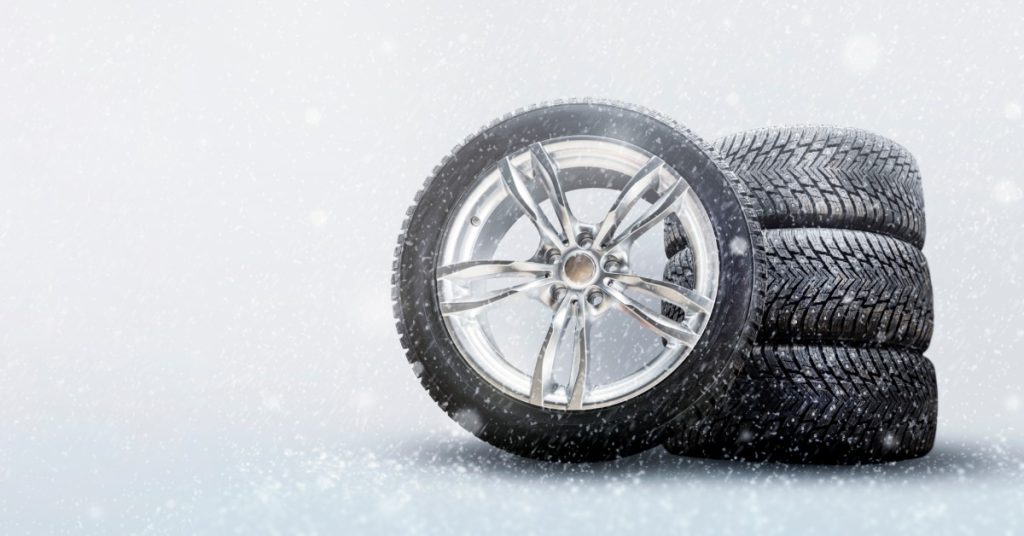
Winter tires give drivers extra traction when temperatures drop, but they still need care once the season ends. A careful storage routine helps protect the rubber, preserve the tread, and reduce the chance of damage between seasons.
Proper preparation also helps the tires remain ready for use when cold weather returns. Below, we offer some helpful tips to protect your car’s winter tires during long-term storage.
Winter tires use a rubber compound that stays flexible in cold weather. That same compound can react poorly to high temperatures, direct sunlight, ozone, chemicals, and prolonged moisture.
Long-term storage also affects mounted and unmounted tires in different ways. Tires left on wheels can support their shape more easily, but they still need the right pressure and position. Storage conditions can gradually dry the rubber, weaken exposed surfaces, or leave the tires misshapen. Unmounted tires require upright storage and periodic rotation so one section does not carry the full load for months.
Before you put your tires into hibernation, give them a thorough cleaning first. Road salt, brake dust, oil, mud, and other residue can stay on a tire after winter use. These materials may trap moisture against the rubber or create stains on the wheel. Clean tires also make it easier to inspect the tread and sidewalls before they go into storage.
Use mild soap, water, and a soft brush to wash each tire. Avoid harsh solvents, petroleum-based cleaners, and aggressive tire dressings because they can affect the rubber compound. Rinse every surface, including the tread grooves, sidewalls, and wheel faces, then let the tire dry completely before the next step.
A close inspection can reveal problems that need attention before the next winter season. Look for cuts, cracks, bulges, punctures, exposed cords, and objects in the tread. Check the tread depth across several points because uneven wear may indicate an alignment, suspension, or pressure issue.
Mark the tire’s position on the vehicle with chalk, a tire crayon, or removable tape. Labels such as left front or right rear help a technician plan the next rotation.
Another tip to remember to protect your winter tires during long-term storage is that temperature stability is crucial. A clean basement, climate-controlled garage, or interior storage room can provide better protection than an outdoor shed or open carport. The space should stay dry, shaded, and away from large temperature swings.
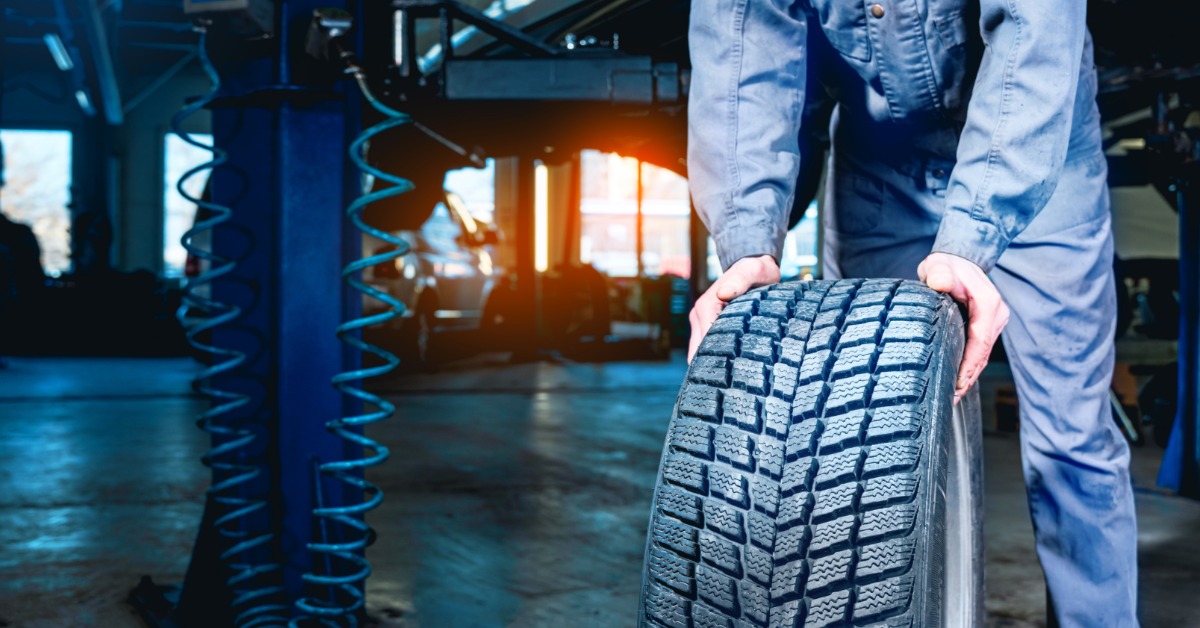
Ozone can speed up rubber degradation. Electric motors in furnaces, compressors, sump pumps, and some shop equipment may produce small amounts of ozone during operation. Store tires away from these devices.
Gasoline, oil, paint, solvents, pesticides, and household chemicals can also damage tire surfaces. A clean shelf, rack, pallet, or protective mat creates a safer barrier between the tires and the storage area.
After the tires are clean and dry, place each one in an individual tire bag or heavy plastic storage bag. Remove as much air as is practical before sealing the bag. Do not seal a damp tire inside plastic. The cover limits exposure to oxygen, moisture, dust, and light during storage.
Trapped moisture can promote corrosion on wheels and leave residue on the rubber. Avoid thin covers that tear easily, and do not use a bag that previously held chemicals, landscaping products, or oily materials.
Ultraviolet light can dry and age tire rubber. Covered storage reduces this exposure, but a location with shade is still ideal.
Move the tires away from windows and glass doors. Do not rely on a clear plastic bag as the sole defense against ultraviolet exposure.
Mounted tires can sit in a horizontal stack or hang from sturdy wheel hooks. Keep the stack level, and avoid placing heavy items on top. If you hang them, support each tire by the wheel rather than the rubber.
Unmounted tires should stand upright on a clean, level surface. Do not hang them because the support point can distort the bead area. Rotate each tire slightly every four to six weeks so the same section does not carry the weight for the entire storage period.
Constant pressure from other objects can alter a tire’s shape. Leave enough room around each tire to ensure nothing presses against the tread or sidewall.
For mounted sets, check air pressure before storage and follow the vehicle or tire manufacturer’s guidance. Pressure can change as temperatures shift, so inspect the set again before installation. Never inflate a tire beyond its rated limit to prevent flat spots.
Winter wheels can collect salt and grime around lug holes, spoke edges, and the inner barrel. Wash these areas carefully, then dry them before storage.
Inspect painted, polished, chrome, or alloy surfaces for chips and damage. Use only a wheel care product that suits the finish, and follow the product directions. Do not place bare metal surfaces directly on damp concrete because moisture can transfer from the floor.
Store lug nuts, wheel locks, center caps, and any other hardware for your car’s wheels and tires in a container with a label. Keep wheel lock keys in a secure location that you can find before the next installation.
Avoid taping metal hardware directly to a wheel face because adhesive can damage some finishes. A sealed plastic container or small parts box provides better protection. Add a label with the vehicle name, model year, and tire position notes for easier seasonal service.
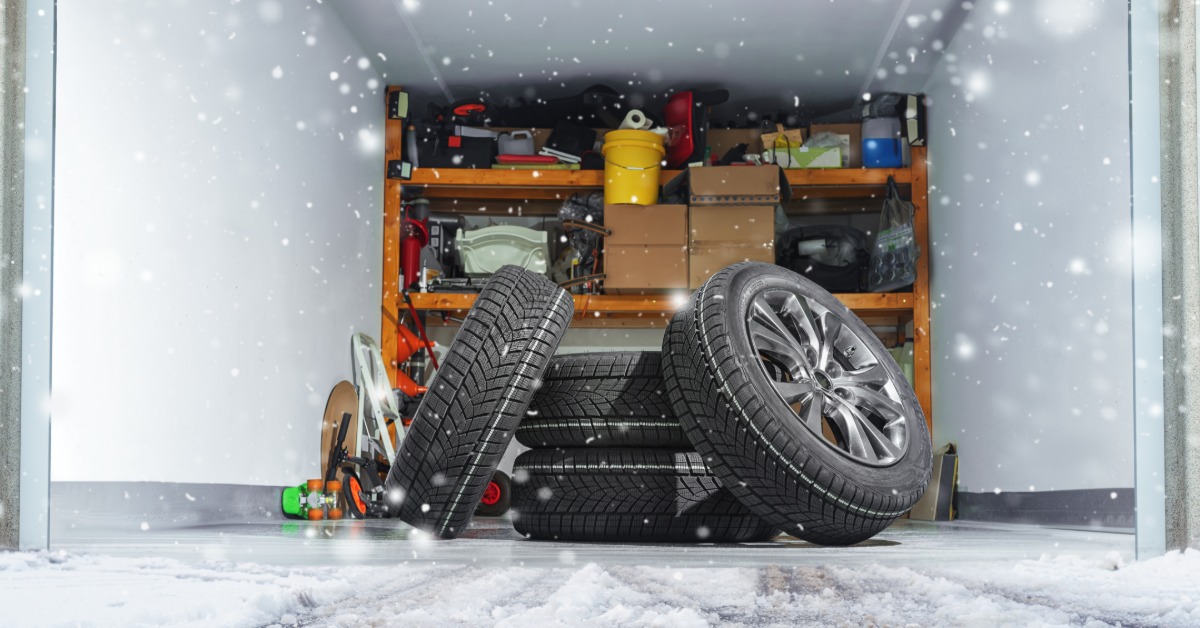
Long-term storage should not become a set-it-and-forget-it task. Inspect the area every month or two for leaks, pests, fallen objects, torn bags, or changes in temperature and humidity.
Look for sagging stacks, shifted hooks, or objects that have moved against the tires. Rotate upright, unmounted tires as planned and confirm that all covers remain sealed.
Remove the covers and inspect every tire before installation. Check for cracks, bulges, punctures, unusual odors, discoloration, and changes in shape. Confirm the tread depth, and compare wear across the set.
A tire technician should evaluate any damage that raises concern. Before driving, set the pressure according to the vehicle manufacturer’s recommendation, and install the tires in the correct positions. A rotation or alignment check may also help if the prior inspection revealed uneven wear.
Good storage habits protect the time and money you have invested in a winter tire set. Clean, dry, covered tires are better prepared for the next cold season than tires left in heat, sunlight, or damp conditions. A professional inspection can also confirm that each tire remains suitable for another season of service.
Whether you need winter or regular tires in Pensacola, RNR Tire Express is the place to go! Stop by our tire shop, and our experts will help you find the ideal tires for your vehicle and service them with inspections, rotations, and whatever else your vehicle and its tires need.
By signing up you agree to our Privacy Policy.