Safety Tips
|
Aug 9, 2019
Bald tires look like a minor inconvenience until you understand what they do to your vehicle. Tires do more than roll down the road. They grip, steer, stop, and manage water, heat, and weight every second you drive.
When tread wears down, your tire loses its ability to bite the road. If you keep driving, you gamble with braking distance, stability, and control. You also put everyone around you at risk. Keep reading to understand why it’s dangerous to drive on bald tires.
Tread looks simple, but it plays a complex safety role. The grooves and channels in a tire help move water away from the contact patch. They also create edges that grip the road when you brake, turn, or accelerate.
As tread disappears, the contact patch changes. You may assume that having more rubber on the road is helpful, but a bald tire does not behave like a racing slick. Street tires rely on tread to manage water and maintain traction on imperfect pavement. Bald tires reduce your margin for error to almost nothing.
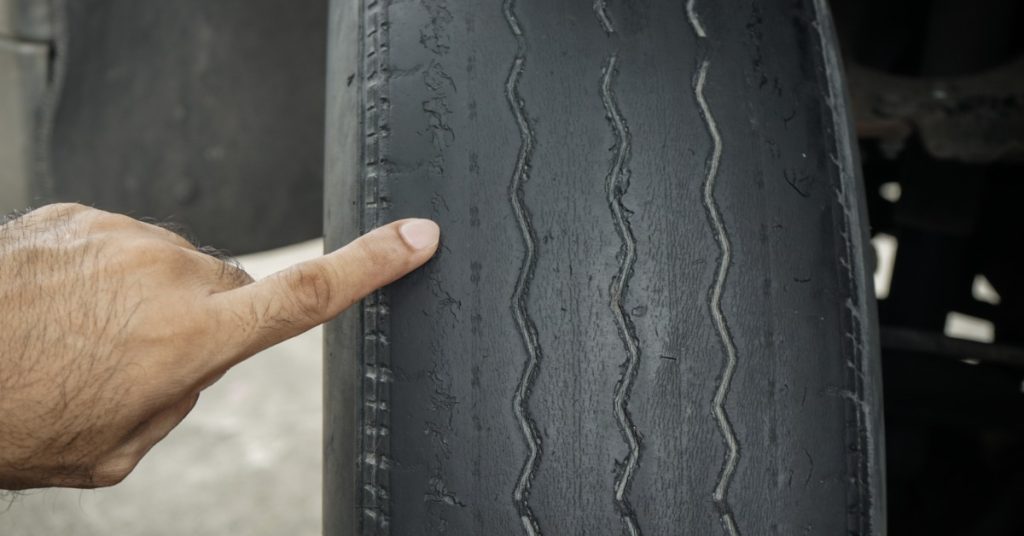
Tires become unsafe long before they look completely smooth. Many drivers wait until cords show or a tire fails. That timing usually means you waited too long. Once tread depth drops low enough that wear bars appear across the tread, you are already operating in the danger zone.
In practical terms, if you can see the wear indicators across multiple grooves, treat that as an urgent warning. If the tire looks shiny, flattened, or cracked, treat it as an immediate risk.
One of the most critical reasons why it’s dangerous to drive on bald tires is the increased risk of hydroplaning. Hydroplaning happens when a tire rides on a thin layer of water instead of the road. When that occurs, you lose steering and braking control because the tire cannot grip the pavement.
Tread prevents hydroplaning by channeling water outward. Bald tires cannot move water fast enough, especially at typical highway speeds. Even shallow puddles can cause the tire to skid and put your vehicle, yourself, and your passengers in danger.
Hydroplaning typically starts with a light, vague steering feel. The vehicle may drift even when you hold the wheel steady. If you brake or turn quickly, the slide can worsen immediately.
Bald tires shorten the time between everything feeling normal and feeling like you just lost control. If you drive through standing water, you might not get a second chance to correct the vehicle.
Most drivers underestimate how much tread helps them stop. When you brake, your tires must hold traction while the vehicle’s weight shifts forward. That traction depends on tread edges and a consistent contact patch. Bald tires slip sooner and lock up faster, especially on wet pavement.
Longer stopping distance matters in everyday driving. You stop for red lights, school zones, and sudden slowdowns on busy roads. In the rain, a few extra feet can turn a near-miss into a collision. If you follow a safe distance, bald tires still reduce your ability to stop in time when traffic changes quickly.
Modern vehicles rely on ABS to help you steer while braking. ABS can only work with the traction available. If bald tires cannot grip, ABS cannot create control that does not exist. You may feel the brake pedal pulse and assume the system will save you, but the tires still decide whether the vehicle stops safely.
Turning forces your tires to handle sideways loads. Tread helps a tire maintain grip during those loads. Bald tires slide sooner, especially on wet surfaces or dusty roads.
That loss matters on curves, exit ramps, and neighborhood turns. You may notice your vehicle feels floaty or unstable in the rain. You may also feel the front end push wide in a turn.
Warm Mississippi days can heat pavement and tires quickly. Heat changes how rubber grips. Worn tires tend to run hotter and can lose traction earlier than a tire with healthy tread. That combination makes highway curves and sudden lane changes more dangerous.
Tread depth does not just affect grip. It also affects heat management. Tires shed heat through their structure, and tread helps protect the casing beneath. When tread wears thin, the tire has less material to absorb impact and protect internal layers.
If you hit potholes, debris, or rough pavement, a worn tire may suffer damage faster than a tire with healthy tread. The risk grows when you drive at higher speeds, carry heavy loads, or keep tires underinflated.
Underinflation causes the tire to flex more as it rolls. That flex creates heat. When you add low tread to the equation, you increase the chance of failure even more. If your vehicle feels sluggish, the steering feels heavy, or the tire looks low, check pressure right away.
Worn tires frequently cause vibrations, pulling, and poor handling. Those symptoms can cause extra wear on suspension components. They can also hide alignment issues that make tire wear even worse.
If your vehicle pulls to one side or the steering wheel sits off-center, your tires may wear unevenly. Uneven wear can create bald spots that show up even when some tread remains in other areas.
Alignment, rotation schedules, and tire pressure all affect how long tires last. If you replace bald tires but ignore the underlying cause, you can end up in the same situation again sooner than you expect. A quick inspection can reveal what’s happening and help you protect your next set of tires.
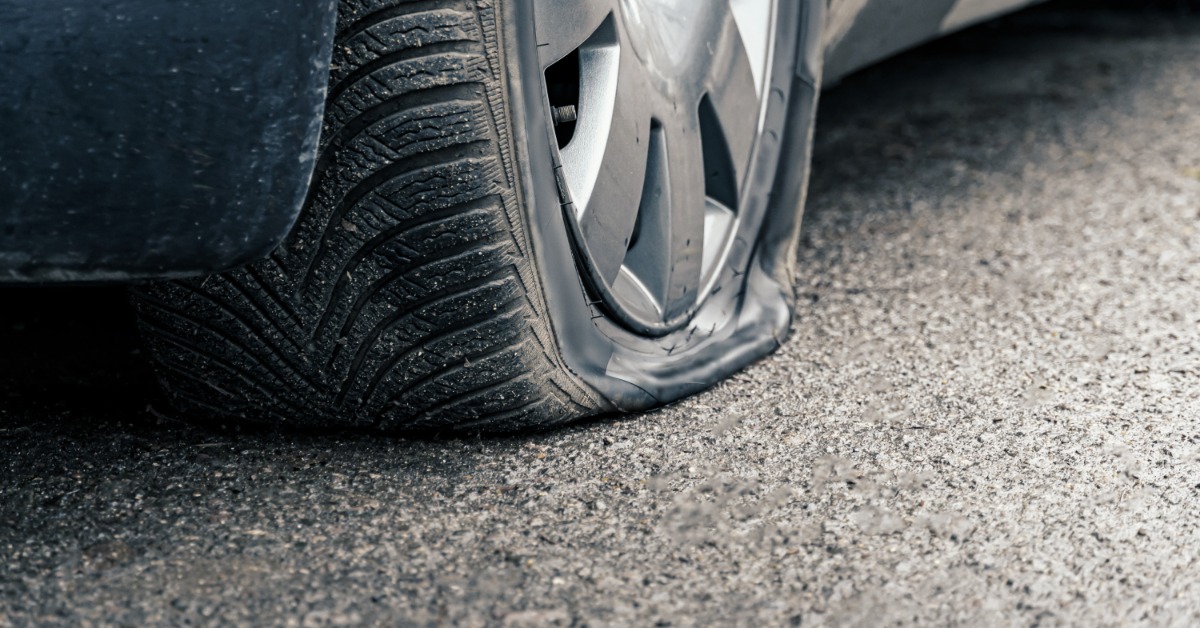
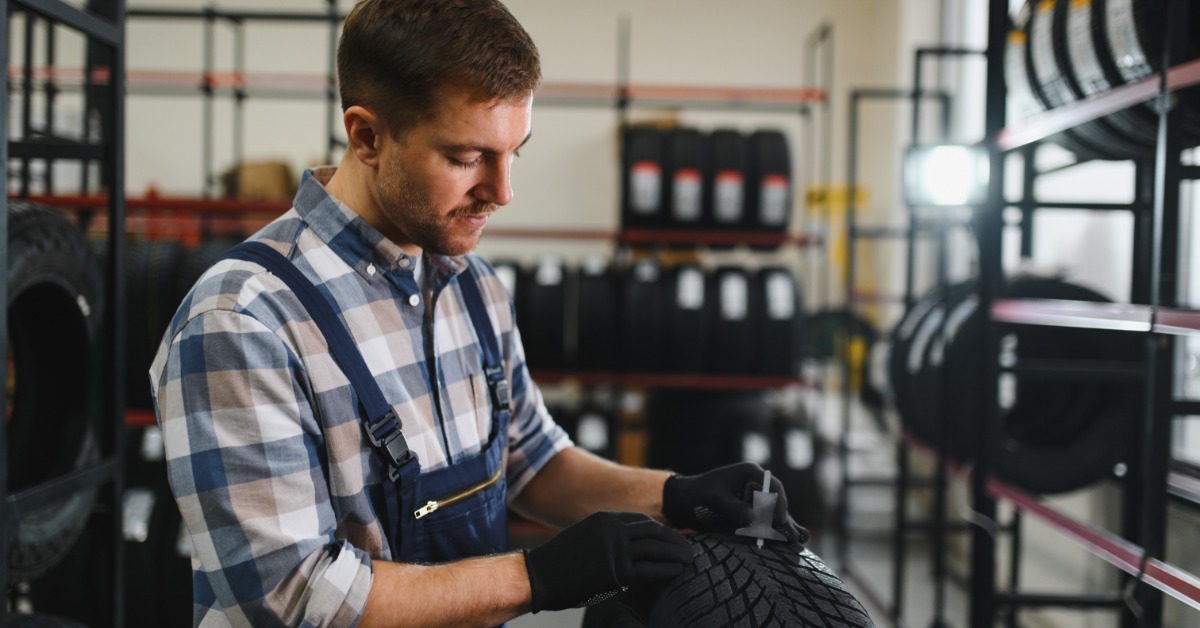
Start with a quick check. Look across the tread for wear bars and smooth sections. Compare the front tires to the rear tires. If you see uneven wear, you may need more than a replacement.
Next, avoid high speeds in wet weather until you address the problem. If you feel any sliding, vibration, or pulling, reduce your driving and schedule an inspection as soon as possible. You can also check tire pressure while you wait, because correct inflation improves safety even with worn tires.
Driving on bald tires raises your risk of hydroplaning, increases stopping distance, and makes your vehicle harder to control when conditions change fast. If your tread looks low or your tires feel unsafe in the rain, act now instead of putting your car and yourself at risk.
If your vehicle has bald tires and you need new tires in Laurel, RNR Tire Express is here to help. We can help you find the right fit for your vehicle and driving needs. Stop by today for a tire inspection and get back on the road with traction you can trust.
By signing up you agree to our Privacy Policy.